Und dann auf "Zum Home-Bildschirm [+]".

Stöbern
genialokal zum Startbildschirm hinzufügen
Installieren Sie die genialokal App auf Ihrem Startbildschirm für einen schnellen Zugriff und eine komfortable Nutzung.
Installieren Sie die genialokal App auf Ihrem Startbildschirm für einen schnellen Zugriff und eine komfortable Nutzung.
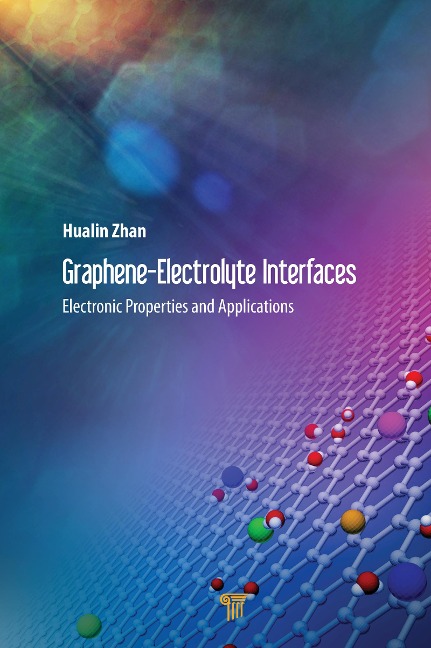
Graphene-electrolyte systems are commonly found in cutting-edge research on electrochemistry, biotechnology, nanoelectronics, energy storage, materials engineering, and chemical engineering. The electrons in graphene intimately interact with ions from an electrolyte at the graphene-electrolyte interface, where the electrical or chemical properties of both graphene and electrolyte could be affected. The electronic behavior therefore determines the performance of applications in both Faradaic and non-Faradaic processes, which require intensive studies. This book systematically integrates the electronic theory and experimental techniques for both graphene and electrolytes. The theoretical sections detail the classical and quantum description of electron transport in graphene and the modern models for charges in electrolytes. The experimental sections compile common techniques for graphene growth/characterization and electrochemistry. Based on this knowledge, the final chapter reviews a few applications of graphene-electrolyte systems in biosensing, neural recording, and enhanced electronic devices, in order to inspire future developments. This multidisciplinary book is ideal for a wide audience, including physicists, chemists, biologists, electrical engineers, materials engineers, and chemical engineers.
Hualin Zhan is a physicist working at the University of Melbourne, Australia, where he received his PhD. He is an active researcher in the fields of ion transport, nanofluidic electrodynamics, semiconductor electrochemistry, nanoelectronics, condensed matter physics, and plasma physics. He received a symposium award from the European Materials Research Society and several scholarships from the University of Melbourne and other institutions. His pioneering works on transport theories of ions and electrons, solvation-involved nanoionics, machine learning-assisted modeling, liquid-gated Hall measurement, and direct 3D graphene fabrication open new opportunities for energy storage, desalination, neuron stimulation, biosensing, and materials processing, among others.
Introduction to Graphene-Electrolyte Systems. Electrons in Semiconductors. Electrons in Graphene. Electrons in an Electrolyte. Graphene-Electrolyte Systems. Experimental Methods for Graphene. Experimental Methods for an Electrolyte. Applications and Outlook
Dieses eBook wird im PDF-Format geliefert und ist mit einem Adobe Kopierschutz (DRM) versehen. Sie können dieses eBook mit allen Geräten lesen, die das PDF-Format und den Adobe Kopierschutz (DRM) unterstützen.
Zum Beispiel mit den folgenden Geräten:
• tolino Reader
Laden Sie das eBook direkt über den Reader-Shop auf dem tolino herunter oder übertragen Sie das eBook auf Ihren tolino mit einer kostenlosen Software wie beispielsweise Adobe Digital Editions.
• Sony Reader & andere eBook Reader
Laden Sie das eBook direkt über den Reader-Shop herunter oder übertragen Sie das eBook mit der kostenlosen Software Sony READER FOR PC/Mac oder Adobe Digital Editions auf ein Standard-Lesegeräte mit epub- und Adobe DRM-Unterstützung.
• Tablets & Smartphones
Möchten Sie dieses eBook auf Ihrem Smartphone oder Tablet lesen, finden Sie hier unsere kostenlose Lese-App für iPhone/iPad und Android Smartphone/Tablets.
• PC & Mac
Lesen Sie das eBook direkt nach dem Herunterladen mit einer kostenlosen Lesesoftware, beispielsweise Adobe Digital Editions, Sony READER FOR PC/Mac oder direkt über Ihre eBook-Bibliothek in Ihrem Konto unter „Meine eBooks“ - „online lesen“.
Schalten Sie das eBook mit Ihrer persönlichen Adobe ID auf bis zu sechs Geräten gleichzeitig frei.
Bitte beachten Sie, dass die Kindle-Geräte das Format nicht unterstützen und dieses eBook somit nicht auf Kindle-Geräten lesbar ist.