Und dann auf "Zum Home-Bildschirm [+]".

Stöbern
genialokal zum Startbildschirm hinzufügen
Installieren Sie die genialokal App auf Ihrem Startbildschirm für einen schnellen Zugriff und eine komfortable Nutzung.
Installieren Sie die genialokal App auf Ihrem Startbildschirm für einen schnellen Zugriff und eine komfortable Nutzung.
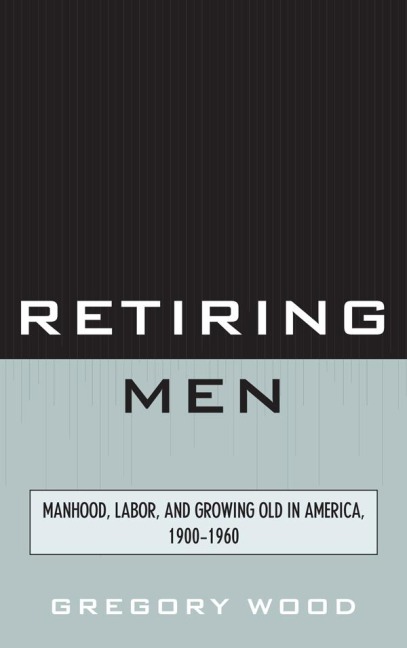
As life spans expanded dramatically in the United States after 1900, and employers increasingly demanded the speed and stamina of youth in the workplace, men struggled to sustain identities as workers, breadwinners, and patriarchs-the core ideals of twentieth-century masculinity. Longer life threatened manhood as men confronted age discrimination at work, mandatory retirement, and fixed incomes as recipients of Social Security and workplace pensions. They struggled to somehow sustain manliness in retirement, a new phase of life supposedly defined by the absence of labor. Ironically, retiring men pursued ways to stay "productive": retirees created new daily routines of golf and shuffleboard games, tinkered with tools in garages, attended social club meetings, armed themselves for hunting and fishing excursions, and threw themselves into yard work. Others looked for new jobs or business ventures. Only unending activity could help to ensure that the "golden years" would be good years for older men of the twentieth century.
Gregory Wood is assistant professor of history at Frostburg State University. His articles and reviews have appeared in Journal of Social History, Labor: Studies in Working-Class History of the Americas, Labor History, Pennsylvania History, Essays in Economic & Business History, Michigan Historical Review, Labour History (Australia), and The Jim Crow Encyclopedia.
List of Tables
Acknowledgments
Introduction
Manhood and Its Discontents
Chapter 1 - Growing Old at Work during the Early Twentieth Century
Chapter 2 - Old Age Poverty, Pension Politics, and Gender during the 1920s
Chapter 3 - Older Men and the Boundaries of Manhood during the 1930s
Chapter 4 - Postwar Manhood and the Shock of Retirement
Chapter 5 - Work, Play, and Gender: The Making of Retirement Culture
Beyond the Masculinity of Youth?
Bibliography
Dieses eBook wird im PDF-Format geliefert und ist mit einem Adobe Kopierschutz (DRM) versehen. Sie können dieses eBook mit allen Geräten lesen, die das PDF-Format und den Adobe Kopierschutz (DRM) unterstützen.
Zum Beispiel mit den folgenden Geräten:
• tolino Reader
Laden Sie das eBook direkt über den Reader-Shop auf dem tolino herunter oder übertragen Sie das eBook auf Ihren tolino mit einer kostenlosen Software wie beispielsweise Adobe Digital Editions.
• Sony Reader & andere eBook Reader
Laden Sie das eBook direkt über den Reader-Shop herunter oder übertragen Sie das eBook mit der kostenlosen Software Sony READER FOR PC/Mac oder Adobe Digital Editions auf ein Standard-Lesegeräte mit epub- und Adobe DRM-Unterstützung.
• Tablets & Smartphones
Möchten Sie dieses eBook auf Ihrem Smartphone oder Tablet lesen, finden Sie hier unsere kostenlose Lese-App für iPhone/iPad und Android Smartphone/Tablets.
• PC & Mac
Lesen Sie das eBook direkt nach dem Herunterladen mit einer kostenlosen Lesesoftware, beispielsweise Adobe Digital Editions, Sony READER FOR PC/Mac oder direkt über Ihre eBook-Bibliothek in Ihrem Konto unter „Meine eBooks“ - „online lesen“.
Schalten Sie das eBook mit Ihrer persönlichen Adobe ID auf bis zu sechs Geräten gleichzeitig frei.
Bitte beachten Sie, dass die Kindle-Geräte das Format nicht unterstützen und dieses eBook somit nicht auf Kindle-Geräten lesbar ist.