Und dann auf "Zum Home-Bildschirm [+]".

Stöbern
genialokal zum Startbildschirm hinzufügen
Installieren Sie die genialokal App auf Ihrem Startbildschirm für einen schnellen Zugriff und eine komfortable Nutzung.
Installieren Sie die genialokal App auf Ihrem Startbildschirm für einen schnellen Zugriff und eine komfortable Nutzung.
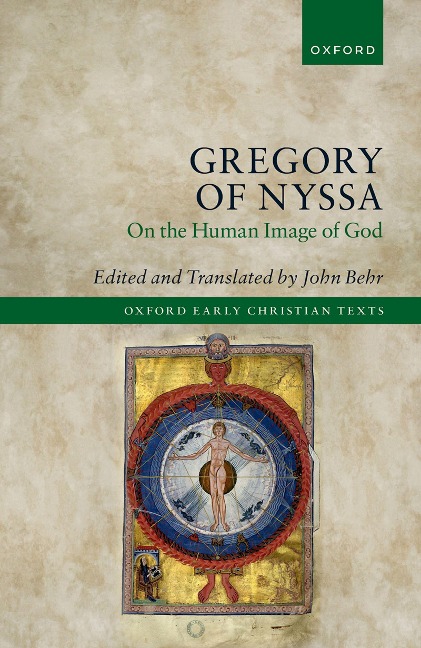
This book presents the first modern critical edition of the work of Gregory of Nyssa, On the Human Image of God (formerly known as On the Making of Man, De hominis opificio) and the first English translation since the nineteenth century. This treatise is one of the most important of Gregory's texts. Paralleling the structure of Plato's Timaeus, Gregory's work begins by offering two analyses of the human being. The first presents the human being as the culmination of the ascent made by nature through the various levels of life, and as made, body and soul, in the image of God. The second considers why this is not immediately apparent, the need for time to be able to grow, individually and collectively, to this status, as the body of Christ, the image of God, and the role of sexuality within this growth. The third part of the work brings both analyses together, to see the same movement in the life-span of each person. The extensive introduction provided in this volume examines the philosophical and theological background of Gregory's text, beginning with Anaxagoras, Plato (the Timaeus), Philo, and Origen, and also compares aspects of Gregory's work with that of Irenaeus of Lyons and Maximos the Confessor.
John Behr is the Regius Professor of Humanity at the University of Aberdeen, having previously taught at St Vladimir's Seminary, where he served as Dean for a decade. He is also a part-time Professor at Radboud University, the Netherlands. He has published numerous monographs with OUP, most recently an edition and translation of Origen's On First Principles, together with an extensive introduction (2017), and a study of the Gospel of John, John the Theologian and his Paschal Gospel, (2019); he has also published various works aimed for a more general audience, such as his more poetic and meditative work entitled Becoming Human: Theological Anthropology in Word and Image (SVS Press).
- Abbreviations - Introduction - 1.: The Text, Manuscripts, and Editions - 1.I: Manuscripts used in this Edition - 1.II: Title - 1.III: Headings and Divisions - 2.: Philosophical and Theological Background - 2.I: Anaxagoras - 2.II: Plato - 2.III: Philo - 2.IV: Origen - 3.: Gregory's Treatise On the Human Image of God - 3.I: The Letter to Peter - 3.II: The Human Image of God (1-15) - 3.III: The Prevision and Provision of God (16-29) - 3.IV: The Life of the Human Being (30) - 3.V: The 'Fall' and 'Male and Female' - Manuscripts, Abbreviations, Sigla, and Translation - Gregory of Nyssa, On the Human Image of God - Appendix - Bibliography - Index of Ancient Sources - Index of Modern Authors Cited
Dieses eBook wird im PDF-Format geliefert und ist mit einem Adobe Kopierschutz (DRM) versehen. Sie können dieses eBook mit allen Geräten lesen, die das PDF-Format und den Adobe Kopierschutz (DRM) unterstützen.
Zum Beispiel mit den folgenden Geräten:
• tolino Reader
Laden Sie das eBook direkt über den Reader-Shop auf dem tolino herunter oder übertragen Sie das eBook auf Ihren tolino mit einer kostenlosen Software wie beispielsweise Adobe Digital Editions.
• Sony Reader & andere eBook Reader
Laden Sie das eBook direkt über den Reader-Shop herunter oder übertragen Sie das eBook mit der kostenlosen Software Sony READER FOR PC/Mac oder Adobe Digital Editions auf ein Standard-Lesegeräte mit epub- und Adobe DRM-Unterstützung.
• Tablets & Smartphones
Möchten Sie dieses eBook auf Ihrem Smartphone oder Tablet lesen, finden Sie hier unsere kostenlose Lese-App für iPhone/iPad und Android Smartphone/Tablets.
• PC & Mac
Lesen Sie das eBook direkt nach dem Herunterladen mit einer kostenlosen Lesesoftware, beispielsweise Adobe Digital Editions, Sony READER FOR PC/Mac oder direkt über Ihre eBook-Bibliothek in Ihrem Konto unter „Meine eBooks“ - „online lesen“.
Schalten Sie das eBook mit Ihrer persönlichen Adobe ID auf bis zu sechs Geräten gleichzeitig frei.
Bitte beachten Sie, dass die Kindle-Geräte das Format nicht unterstützen und dieses eBook somit nicht auf Kindle-Geräten lesbar ist.