Und dann auf "Zum Home-Bildschirm [+]".

Stöbern
genialokal zum Startbildschirm hinzufügen
Installieren Sie die genialokal App auf Ihrem Startbildschirm für einen schnellen Zugriff und eine komfortable Nutzung.
Installieren Sie die genialokal App auf Ihrem Startbildschirm für einen schnellen Zugriff und eine komfortable Nutzung.
Ihr gewünschter Artikel ist in 0 Buchhandlungen vorrätig - wählen Sie hier eine Buchhandlung in Ihrer Nähe aus:

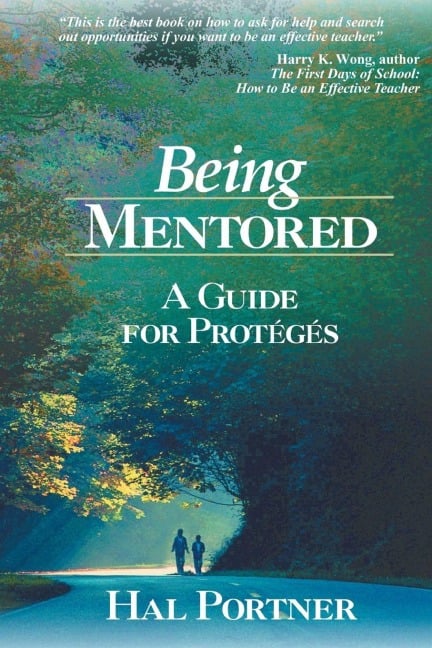
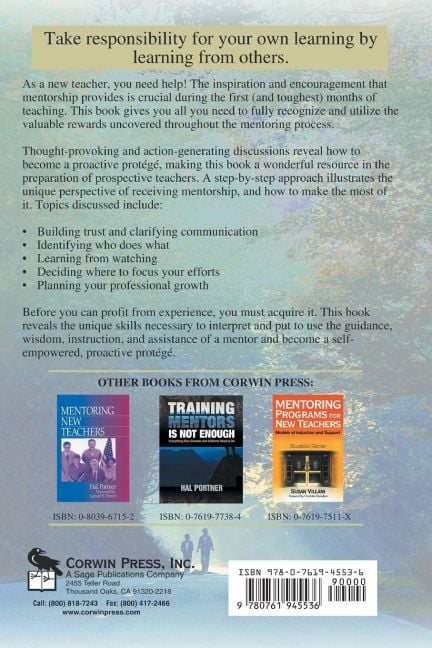
"This is the best book on how to ask for help and search out opportunities if you want to be an effective teacher." Harry K. Wong, Author The First Days of School: How to Be An Effective Teacher Take
Hal Portner is a former K-12 teacher and administrator. He was assistant director of the Summer Math Program for High School Women and Their Teachers at Mount Holyoke College, and for 24 years he was a teacher and then administrator in two Connecticut public school districts. From 1985 to 1995, he was a member of the Connecticut State Department of Education's Bureau of Certification and Professional Development, where, among other responsibilities, he served as coordinator of the Connecticut Institute for Teaching and Learning and worked closely with school districts to develop and carry out professional development and teacher evaluation plans and programs. Hal developed and teaches for Western New England University a 3 credit MEd in Curriculum and Instruction online core course in Mentoring, Coaching, and professional development. Portner writes, develops materials, trains mentors, facilitates the development of new teacher and peer-mentoring programs, and consults for school districts and other educational organizations and institutions. In addition to Mentoring New Teachers, he is the author of Training Mentors Is Not Enough: Everything Else Schools and Districts Need to Do (2001), Being Mentored: A Guide for Protégés (2002), Workshops that Really Work: The ABCs of Designing and Delivering Sensational Presentations (2005), and editor of Teacher Mentoring and Induction: The State of the Art and Beyond (2005) - all published by Corwin Press. He holds an MEd from the University of Michigan and a 6th-year Certificate of Advanced Graduate Study (CAGS) in education administration from the University of Connecticut. For three years, he was with the University of Massachusetts EdD Educational Leadership Program.
Preface
Acknowledgments
About the Author
Introduction
1. Participate
Take the Initiative
Developing the Relationship Takes Time
Earn and Keep Your Mentor-s Trust
Clarify Communication
2. Take Responsibility
Don-t Wait, Instigate
Feedback and How to Receive It
When to Give Feedback
Mismatched Mentoring Relationships
Responsibility to Yourself
Responsibility to Others
Get to Know Your Principal
Clarify Ground Rules Early
3. Observe
Be an Objective Observer
What to Observe
Expand Your View
Don-t Imitate, Create
4. Ask
Whom to Ask
Where to Ask
How to Ask
What to Ask For
Why Ask?
5. Chart Your Course
Find Out What You Don-t Know
Set Priorities
Identify Resources
The Power of Planning
6. Network
Support From Collegial Groups
Guidelines for Support and Discussion Groups
Networking on the Internet
Working With College and University Professors and Cohorts
7. Take Informed Risks
Look Before You Leap
Should You or Shouldn-t You?
Help the Risk Succeed
Risk With Conviction
8. Reflect
Keep a Professional Learning Journal
Guided Reflection
Focused Reflection
9. Give Back
Leave a Legacy
Be a Change Agent
Experienced Newcomers
The Gift of Renewal
Resource A: Internet Sites and Publications for New Teachers
Resource B: Professional Education Organizations and Their Web Pages
Resource C: Chatboard Exchange on the Internet
References