Und dann auf "Zum Home-Bildschirm [+]".

Stöbern
genialokal zum Startbildschirm hinzufügen
Installieren Sie die genialokal App auf Ihrem Startbildschirm für einen schnellen Zugriff und eine komfortable Nutzung.
Installieren Sie die genialokal App auf Ihrem Startbildschirm für einen schnellen Zugriff und eine komfortable Nutzung.
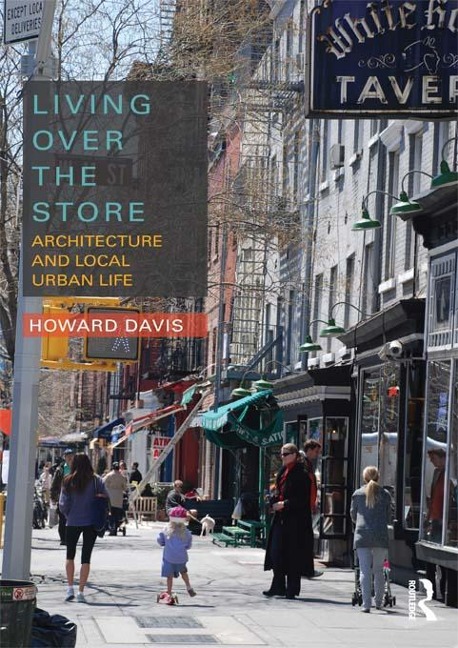
The shop/house - the building combining commercial/retail uses and dwellings - appears over many periods of history in most cities in the world. This book combines architectural history, cross-cultural understandings and accounts of contemporary policy and building practice to provide a comprehensive account of this common but overlooked building. The merchant's house in northern European cities, the Asian shophouse, the apartment building on New York avenues, typical apartment buildings in Rome and in Paris - this variety of shop/houses along with the commonality of attributes that form them, mean that the hybrid phenomenon is as much a social and economic one as it is an architectural one. Professionals, city officials and developers are taking a new look at buildings that allow for higher densities and mixed-use. Describing exemplary contemporary projects and issues pertaining to their implementation as well as the background, cultural variety and urban attributes, this book will benefit designers dealing with mixed-use buildings as well as academics and students.
Howard Davis is Professor of Architecture at the University of Oregon. His work is concerned with the social and cultural frameworks of architecture, the process of building, and the relationships between building typology, urban morphology, and grassroots economic development. His book The Culture of Building was named Best Publication in Architecture and Urban Studies by the Association of American Publishers in 2000.
Preface. Introduction: A Quintessential Urban Building. Part 1: The Shop/House as a Global Phenomenon 1. Shophouses of Asia 2. The Shop in the Palazzo: Rome, Southern Europe and Beyond 3. Merchants' Houses of Northern and Western Europe 4. From London to Main Street Part 2: The Fabric of Everyday Life 5. Living and Working in the City 6. The Geography of Mixed Uses 7. Adaptable Buildings and Flexible Economics 8. The Architecture of Hybrid Types Part 3: The Death and Life of the Modest Shop/House 9. The Gradual Separation of Family and Business 10. The Building Culture of the Divided City 11. Toward a Resilient Urbanism. Conclusion: Hybrid Urban Practice
Dieses eBook wird im PDF-Format geliefert und ist mit einem Adobe Kopierschutz (DRM) versehen. Sie können dieses eBook mit allen Geräten lesen, die das PDF-Format und den Adobe Kopierschutz (DRM) unterstützen.
Zum Beispiel mit den folgenden Geräten:
• tolino Reader
Laden Sie das eBook direkt über den Reader-Shop auf dem tolino herunter oder übertragen Sie das eBook auf Ihren tolino mit einer kostenlosen Software wie beispielsweise Adobe Digital Editions.
• Sony Reader & andere eBook Reader
Laden Sie das eBook direkt über den Reader-Shop herunter oder übertragen Sie das eBook mit der kostenlosen Software Sony READER FOR PC/Mac oder Adobe Digital Editions auf ein Standard-Lesegeräte mit epub- und Adobe DRM-Unterstützung.
• Tablets & Smartphones
Möchten Sie dieses eBook auf Ihrem Smartphone oder Tablet lesen, finden Sie hier unsere kostenlose Lese-App für iPhone/iPad und Android Smartphone/Tablets.
• PC & Mac
Lesen Sie das eBook direkt nach dem Herunterladen mit einer kostenlosen Lesesoftware, beispielsweise Adobe Digital Editions, Sony READER FOR PC/Mac oder direkt über Ihre eBook-Bibliothek in Ihrem Konto unter „Meine eBooks“ - „online lesen“.
Schalten Sie das eBook mit Ihrer persönlichen Adobe ID auf bis zu sechs Geräten gleichzeitig frei.
Bitte beachten Sie, dass die Kindle-Geräte das Format nicht unterstützen und dieses eBook somit nicht auf Kindle-Geräten lesbar ist.