Und dann auf "Zum Home-Bildschirm [+]".

Stöbern
genialokal zum Startbildschirm hinzufügen
Installieren Sie die genialokal App auf Ihrem Startbildschirm für einen schnellen Zugriff und eine komfortable Nutzung.
Installieren Sie die genialokal App auf Ihrem Startbildschirm für einen schnellen Zugriff und eine komfortable Nutzung.
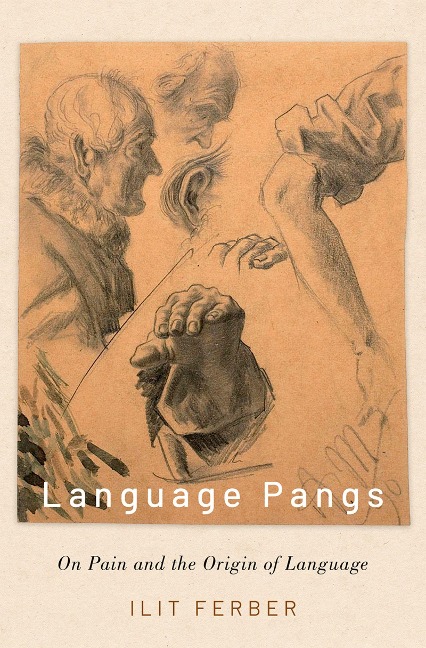
We usually think about language and pain as opposites, the one being about expression and connection, the other destructive, "beyond words" so to speak, and isolating. Language Pangs challenges these familiar conceptions and offers a radical reconsideration of the relationship between pain and language in terms of an essential interconnectedness. Ilit Ferber's premise is that we cannot probe the experience of pain without taking account its inherent relation to language; and vice versa, that our understanding of the nature of language essentially depends on how we take account of its correspondence with pain. Language Pangs brings together discussions of philosophical as well as literary texts, an intersection that is especially productive in considering the phenomenology of pain and its bearing on language. Ferber explores a phenomenology of pain and its relation to language, before providing a unique close reading of Johann Gottfried Herder's Treatise on the Origin of Language, the first modern philosophical text to consider language and pain, establishing the cry of pain as the origin of language. Herder also raises important claims regarding the relationship between human and animal, questions of sympathy and the role of hearing in the expression of pain. Beyond Herder, the book grapples with the work of other profound thinkers, including Martin Heidegger, Stanley Cavell, and André Gide, and finally, Sophocles, from them weaving new insights on the experience of pain, expression, sympathy, and hearing.
Ilit Ferber is Assistant Professor of Philosophy at Tel-Aviv University. She is the author of Philosophy and Melancholy: Benjamin's Early Reflections on Theater and Language (Stanford University Press, 2013) and co-editor of three books on the philosophy of moods and on the language of lament. She has published numerous articles on Leibniz, Herder, Freud, Benjamin, Heidegger, Scholem, and Améry.
Chapter 1. On Pain and the Origin of Language Chapter 2. A Language of Pain: Herder and the Origin of Language Chapter 3. Language and Attention: Herder on Besonnenheit Chapter 4. Language and Hearing: Heidegger's Herder Chapter 5. Pain, Expression and Sympathy: Philoctetes Chapter 6. Language Pangs
Dieses eBook wird im PDF-Format geliefert und ist mit einem Adobe Kopierschutz (DRM) versehen. Sie können dieses eBook mit allen Geräten lesen, die das PDF-Format und den Adobe Kopierschutz (DRM) unterstützen.
Zum Beispiel mit den folgenden Geräten:
• tolino Reader
Laden Sie das eBook direkt über den Reader-Shop auf dem tolino herunter oder übertragen Sie das eBook auf Ihren tolino mit einer kostenlosen Software wie beispielsweise Adobe Digital Editions.
• Sony Reader & andere eBook Reader
Laden Sie das eBook direkt über den Reader-Shop herunter oder übertragen Sie das eBook mit der kostenlosen Software Sony READER FOR PC/Mac oder Adobe Digital Editions auf ein Standard-Lesegeräte mit epub- und Adobe DRM-Unterstützung.
• Tablets & Smartphones
Möchten Sie dieses eBook auf Ihrem Smartphone oder Tablet lesen, finden Sie hier unsere kostenlose Lese-App für iPhone/iPad und Android Smartphone/Tablets.
• PC & Mac
Lesen Sie das eBook direkt nach dem Herunterladen mit einer kostenlosen Lesesoftware, beispielsweise Adobe Digital Editions, Sony READER FOR PC/Mac oder direkt über Ihre eBook-Bibliothek in Ihrem Konto unter „Meine eBooks“ - „online lesen“.
Schalten Sie das eBook mit Ihrer persönlichen Adobe ID auf bis zu sechs Geräten gleichzeitig frei.
Bitte beachten Sie, dass die Kindle-Geräte das Format nicht unterstützen und dieses eBook somit nicht auf Kindle-Geräten lesbar ist.