Und dann auf "Zum Home-Bildschirm [+]".

Stöbern
genialokal zum Startbildschirm hinzufügen
Installieren Sie die genialokal App auf Ihrem Startbildschirm für einen schnellen Zugriff und eine komfortable Nutzung.
Installieren Sie die genialokal App auf Ihrem Startbildschirm für einen schnellen Zugriff und eine komfortable Nutzung.
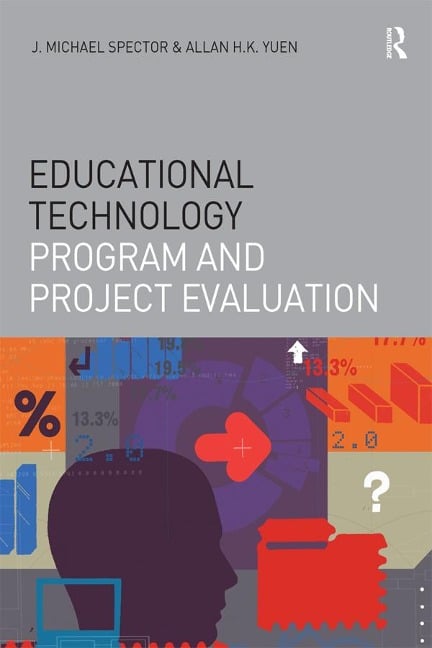
Educational Technology Program and Project Evaluation is a unique, comprehensive guide to the formative and summative evaluation of programs, projects, products, practices and policies involving educational technology. Written for both beginning and experienced evaluators, the book utilizes an integrative, systems-based approach; its practical emphasis on logic models and theories of change will help readers navigate their own evaluation processes to improve interventions and conduct meaningful educational research. Key features include: - evidence-based guidelines for constructing and conducting evaluations - practical exercises to support the development of knowledge, skills, and program evaluation portfolios - a variety of interdisciplinary case studies - references and links to pertinent research and resources Using the TELL, ASK, SHOW, DO model first introduced in this series, Educational Technology Program and Project Evaluation provides comprehensive coverage of the concepts, goals, design, implementation, and critical questions imperative to successful technology-enhanced evaluation.
J. Michael Spector is Professor and former Chair of the Department of Learning Technologies at the University of North Texas, USA. Dr. Spector has served as Executive Vice President on the International Board of Standards for Training, Performance and Instruction (ibstpi), a member of the Executive Committee of the IEEE Computer Society's Learning Technology Technical Committee, and as President of the Association for Educational and Communications Technology (AECT). He was lead editor on the third and fourth editions of the Handbook of Research on Educational Communications and Technology, edited the Encylopedia of Educational Technology, and has more than 150 journal articles, book chapters, and books to his credit. Allan H.K. Yuen is Associate Professor, Director of the Centre for Information Technology in Education, and Program Director of the B.Sc. in Information Management in the Division of Information and Technology Studies at the University of Hong Kong. Dr. Yuen is the Editor of the Journal of Communication and Education and has more than 100 publications including journal articles, book chapters, and books. He has served as Vice Chairman of the Hong Kong Educational Research Association (HKERA), and as President of the Hong Kong Association for Educational Communications and Technology (HKAECT).
Acknowledgements Preface PART I - INTRODUCTION AND OVERVIEW Chapter 1: The Nature of Learning, Performance, and Instruction Chapter 2: Projects, Programs, Products, Practice, and Policy Chapter 3: Evaluation Goals and Scope Chapter 4: Types of Evaluations Chapter 5: Major Evaluation Tasks PART II - AN EVALUATION FRAMEWORK Chapter 6: Needs Assessment Chapter 7: Symptoms and Underlying Causes Chapter 8: A Theory of Change Chapter 9: Outcome Measures and Indicators Chapter 10: Mediators, Moderators, and Contextual Factors PART III - LOGIC MODELS AND IMPLEMENTATIONS Chapter 11: Interventions and Implementation Plans Chapter 12: Developing a Logic Model Chapter 13: Identifying Indicators and Measurements Chapter 14: Measurement Instrumentation and Protocols Chapter 15: Fidelity of Implementation Plans PART IV - TRANSLATING PLANS INTO ACTIONS Chapter 16: Milestones for Effective Technology Integration Chapter 17: Ongoing Formative Evaluations Chapter 18: Dynamic Improvements to Ensure Success Chapter 19: Collecting and Analyzing Data Chapter 20: Informing and Improving Policy Implementation Chapter 21: Documenting, Reporting, and Recommending PART V - ADDITIONAL RESOURCES Glossary of Terms Consolidated References Appendix A: A Sample Evaluation Plan Appendix B: Professional Evaluation Associations Appendix C: Peer-Reviewed Evaluation Journals Index
Dieses eBook wird im PDF-Format geliefert und ist mit einem Adobe Kopierschutz (DRM) versehen. Sie können dieses eBook mit allen Geräten lesen, die das PDF-Format und den Adobe Kopierschutz (DRM) unterstützen.
Zum Beispiel mit den folgenden Geräten:
• tolino Reader
Laden Sie das eBook direkt über den Reader-Shop auf dem tolino herunter oder übertragen Sie das eBook auf Ihren tolino mit einer kostenlosen Software wie beispielsweise Adobe Digital Editions.
• Sony Reader & andere eBook Reader
Laden Sie das eBook direkt über den Reader-Shop herunter oder übertragen Sie das eBook mit der kostenlosen Software Sony READER FOR PC/Mac oder Adobe Digital Editions auf ein Standard-Lesegeräte mit epub- und Adobe DRM-Unterstützung.
• Tablets & Smartphones
Möchten Sie dieses eBook auf Ihrem Smartphone oder Tablet lesen, finden Sie hier unsere kostenlose Lese-App für iPhone/iPad und Android Smartphone/Tablets.
• PC & Mac
Lesen Sie das eBook direkt nach dem Herunterladen mit einer kostenlosen Lesesoftware, beispielsweise Adobe Digital Editions, Sony READER FOR PC/Mac oder direkt über Ihre eBook-Bibliothek in Ihrem Konto unter „Meine eBooks“ - „online lesen“.
Schalten Sie das eBook mit Ihrer persönlichen Adobe ID auf bis zu sechs Geräten gleichzeitig frei.
Bitte beachten Sie, dass die Kindle-Geräte das Format nicht unterstützen und dieses eBook somit nicht auf Kindle-Geräten lesbar ist.