Und dann auf "Zum Home-Bildschirm [+]".

Stöbern
genialokal zum Startbildschirm hinzufügen
Installieren Sie die genialokal App auf Ihrem Startbildschirm für einen schnellen Zugriff und eine komfortable Nutzung.
Installieren Sie die genialokal App auf Ihrem Startbildschirm für einen schnellen Zugriff und eine komfortable Nutzung.
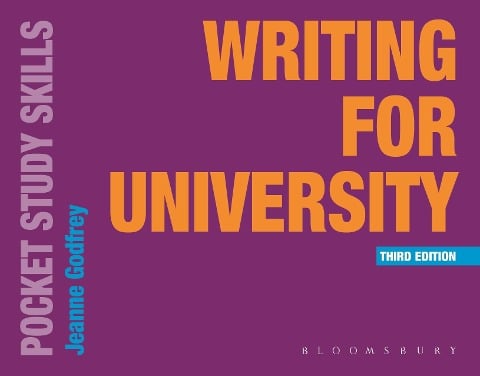
This indispensable guide shows students what successful academic writing involves and gives them the tools they will need to write successfully themselves. It separates fact from fiction and takes students through the five essential elements of academic writing: writing critically; using sources; developing your own voice; having a clear structure and style; and editing and polishing drafts. Chapters include annotated extracts of real students' academic writing from a range of subject areas. This third edition has been revised throughout, and contains three new sections on originality, argument and synthesising sources.
Writing for University is an essential resource for students making the transition to university-level study and a valuable reference point for all students doing academic study in English. It is suitable for students of all disciplines, from education and business through to social work and psychology.
Jeanne Godfrey lectures at the University of Leeds UK. She has been Chair of the British Association of Lecturers in English for Academic Purposes and set up one of the first academic writing centres in a UK university.
PART 1: INTRODUCTION
1. Myths and Realities
2. What Academic Writing Looks Like
3. Understanding Your Context and Purpose
4. What Your Tutors Mean by 'Originality'
Summary
PART 2: WRITE CRITICALLY
5. What Critical Writing Is
6. What Critical Writing Looks Like
7. Common Errors in Critical Writing
8. Forming an Argument
Summary
PART 3: USE YOUR SOURCES CORRECTLY
9. Using Their Words - Quotation
10. Using Your Words - Paraphrase and Source Summary
11. Using Verbs to Show You Understand Your Sources
12. Referencing Styles and Techniques
13. Avoiding Accidental Plagiarism
Summary
PART 4: LET YOUR OWN VOICE SHINE THROUGH
14. Synthesizing Sources to Create Your Own Insights
15. Making Sure Your Own Arguments Stand Out
16. Using Verbs to Show Your Position
17. Using I and We
18. Expressing Levels of Certainty and Caution
Summary
PART 5: WRITE FOR YOUR READER
19. Creating a Clear Assignment Structure
20. Structure of Different Assignment Types
21. Creating a Clear Paragraph Structure
22. Developing a Clear Writing Style
23. Using Words Precisely
Summary
PART 6: EDIT AND POLISH YOUR ASSIGNMENT
24. The Process of Writing and Rewriting
25. Common Language Errors
26. A Checklist
Dieses eBook wird im PDF-Format geliefert und ist mit einem Adobe Kopierschutz (DRM) versehen. Sie können dieses eBook mit allen Geräten lesen, die das PDF-Format und den Adobe Kopierschutz (DRM) unterstützen.
Zum Beispiel mit den folgenden Geräten:
• tolino Reader
Laden Sie das eBook direkt über den Reader-Shop auf dem tolino herunter oder übertragen Sie das eBook auf Ihren tolino mit einer kostenlosen Software wie beispielsweise Adobe Digital Editions.
• Sony Reader & andere eBook Reader
Laden Sie das eBook direkt über den Reader-Shop herunter oder übertragen Sie das eBook mit der kostenlosen Software Sony READER FOR PC/Mac oder Adobe Digital Editions auf ein Standard-Lesegeräte mit epub- und Adobe DRM-Unterstützung.
• Tablets & Smartphones
Möchten Sie dieses eBook auf Ihrem Smartphone oder Tablet lesen, finden Sie hier unsere kostenlose Lese-App für iPhone/iPad und Android Smartphone/Tablets.
• PC & Mac
Lesen Sie das eBook direkt nach dem Herunterladen mit einer kostenlosen Lesesoftware, beispielsweise Adobe Digital Editions, Sony READER FOR PC/Mac oder direkt über Ihre eBook-Bibliothek in Ihrem Konto unter „Meine eBooks“ - „online lesen“.
Schalten Sie das eBook mit Ihrer persönlichen Adobe ID auf bis zu sechs Geräten gleichzeitig frei.
Bitte beachten Sie, dass die Kindle-Geräte das Format nicht unterstützen und dieses eBook somit nicht auf Kindle-Geräten lesbar ist.