Und dann auf "Zum Home-Bildschirm [+]".

Stöbern
genialokal zum Startbildschirm hinzufügen
Installieren Sie die genialokal App auf Ihrem Startbildschirm für einen schnellen Zugriff und eine komfortable Nutzung.
Installieren Sie die genialokal App auf Ihrem Startbildschirm für einen schnellen Zugriff und eine komfortable Nutzung.


Ihr gewünschter Artikel ist in 0 Buchhandlungen vorrätig - wählen Sie hier eine Buchhandlung in Ihrer Nähe aus:

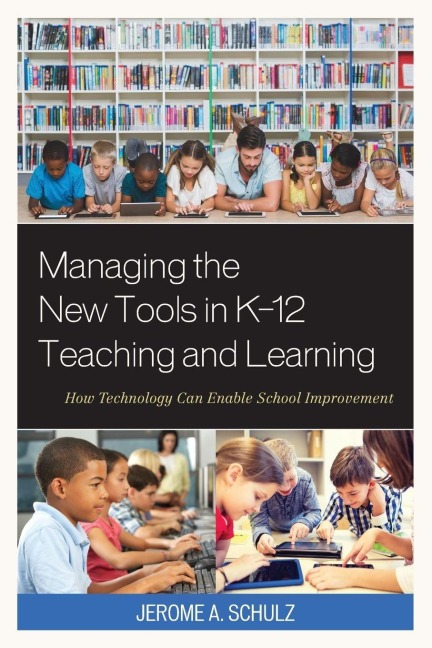
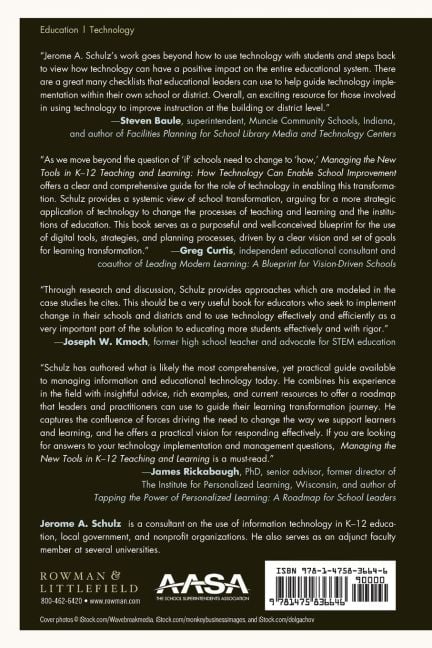
Managing the New Tools in K-12 Teaching and Learning: How Technology Can Enable School Improvement is about how to manage technology for learning at the district and school levels. It provides an overview of the components of learning technology; these include student devices, networking, software productivity toolkits, electronic curricula and resources, and data system infrastructure. And, it discusses how we can manage our technology efforts more effectively to help our students attain the benefits of this technology. The book concludes with case studies of how this is being done at pioneering districts. We are now at a tipping point in implementing learning technology on a larger scale. This is happening very quickly! Historically, learning technology was driven by a strategy of "technology integration," where we called on individual teachers to each determine how to use technology in their classes and make changes in their own ways of working. But to successfully implement technology on the scale we need requires top-down as well as bottom-up efforts. Managing the New Tools in K-12 Teaching and Learning focuses on how districts and schools can now use technology to bring about the big improvements in learning we are all striving for.
Jerome A. Schulz
Preface Acknowledgements Part One - Introduction Chapter 1 - Technology in Education - A Tipping Point? Part Two - The Forces of Change Chapter 2 - Powerful Forces Are Driving Change in Our Schools Chapter 3 - Technology Enables Changes in What to Learn and How to Learn Chapter 4 - To Drive Improvement, We Must Manage Technology Strategically Part Three - The Components of Educational Technology Chapter 5 - Student and Staff Devices Chapter 6 - Network and Internet Connectivity Chapter 7 - Student Productivity Toolkits Chapter 8 - Electronic Curriculum and Resources Chapter 9 - Assessment and Analytics Chapter 10 - Data System Infrastructure Chapter 11 - Essential Technology Services Part Four - Implementing Technology for Learning Chapter 12 - Managing Implementation Part Five - Let's Get Going Chapter 13 - What Districts and Schools Are Doing Now Chapter 14 - Best Practices and Conclusion - A Moonshot for America's Schools? About the Author