Und dann auf "Zum Home-Bildschirm [+]".

Stöbern
genialokal zum Startbildschirm hinzufügen
Installieren Sie die genialokal App auf Ihrem Startbildschirm für einen schnellen Zugriff und eine komfortable Nutzung.
Installieren Sie die genialokal App auf Ihrem Startbildschirm für einen schnellen Zugriff und eine komfortable Nutzung.
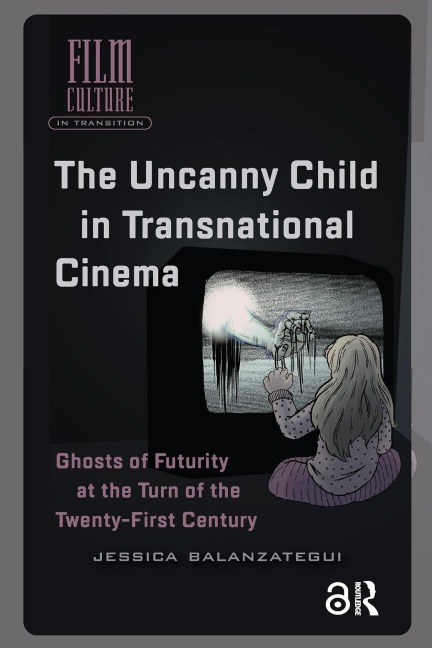
The Uncanny Child in Transnational Cinema illustrates how global horror film depictions of children re-conceptualised childhood at the turn of the twenty-first century. By analysing an influential body of transnational horror films, largely stemming from Spain, Japan, and the US, Jessica Balanzategui shows how millennial uncanny child characters resist embodying growth and futurity, unravelling concepts to which the child's symbolic function is typically bound. The book proposes that complex cultural and industrial shifts at the turn of the millennium resulted in these potent cinematic renegotiations of the concept of childhood. By demonstrating both the culturally specific and globally resonant properties of these frightening visions of children who refuse to grow up, the book outlines the conceptual and aesthetic mechanisms by which long entrenched ideologies of futurity, national progress, and teleological history started to waver at the turn of the twenty-first century.
Dr. Jessica Balanzategui is Senior Lecturer in Media at RMIT, before which she was Senior Lecturer in Cinema and Screen Studies and Deputy Director of the Centre for Transformative Media Technologies at Swinburne University of Technology. She is the author of The Uncanny Child in Transnational Cinema (Amsterdam UP, 2018), the founding editor of Amsterdam University Press' book series, Horror and Gothic Media Cultures.
Introduction: The Child as Uncanny Other, Section One: Secrets and Hieroglyphs: The Uncanny Child in American Horror Film, 1. The Child and Adult Trauma in American Horror of the 1980s, 2. The Uncanny Child of the Millennial Turn, Section Two: Insects Trapped in Amber: The Uncanny Child in Spanish Horror Film, 3. The Child and Spanish Historical Trauma, 4. The Child Seer and the Allegorical Moment in Millennial Spanish Horror Cinema.., Section Three: Our Fear Has Taken on a Life of Its Own: The Uncanny Child in Japanese Horror Film, 5. The Child and Japanese National Trauma, 6. The Prosthetic Traumas of the Internal Alien in Millennial J-Horror Section Four Trauma's Child: The Uncanny Child in Transnational Remakes and Co-productions, 7. The Transnational Uncanny Child, 8. Progress and Decay in the Twenty-first Century: The Postmodern Uncanny Child in The Others, 9. 'Round and round, the world keeps spinning. When it stops, it's just beginning:' Analogue Ghosts and Digital Phantoms in The Ring, Conclusion
Dieses eBook wird im PDF-Format geliefert und ist mit einem Adobe Kopierschutz (DRM) versehen. Sie können dieses eBook mit allen Geräten lesen, die das PDF-Format und den Adobe Kopierschutz (DRM) unterstützen.
Zum Beispiel mit den folgenden Geräten:
• tolino Reader
Laden Sie das eBook direkt über den Reader-Shop auf dem tolino herunter oder übertragen Sie das eBook auf Ihren tolino mit einer kostenlosen Software wie beispielsweise Adobe Digital Editions.
• Sony Reader & andere eBook Reader
Laden Sie das eBook direkt über den Reader-Shop herunter oder übertragen Sie das eBook mit der kostenlosen Software Sony READER FOR PC/Mac oder Adobe Digital Editions auf ein Standard-Lesegeräte mit epub- und Adobe DRM-Unterstützung.
• Tablets & Smartphones
Möchten Sie dieses eBook auf Ihrem Smartphone oder Tablet lesen, finden Sie hier unsere kostenlose Lese-App für iPhone/iPad und Android Smartphone/Tablets.
• PC & Mac
Lesen Sie das eBook direkt nach dem Herunterladen mit einer kostenlosen Lesesoftware, beispielsweise Adobe Digital Editions, Sony READER FOR PC/Mac oder direkt über Ihre eBook-Bibliothek in Ihrem Konto unter „Meine eBooks“ - „online lesen“.
Schalten Sie das eBook mit Ihrer persönlichen Adobe ID auf bis zu sechs Geräten gleichzeitig frei.
Bitte beachten Sie, dass die Kindle-Geräte das Format nicht unterstützen und dieses eBook somit nicht auf Kindle-Geräten lesbar ist.