Und dann auf "Zum Home-Bildschirm [+]".

Stöbern
genialokal zum Startbildschirm hinzufügen
Installieren Sie die genialokal App auf Ihrem Startbildschirm für einen schnellen Zugriff und eine komfortable Nutzung.
Installieren Sie die genialokal App auf Ihrem Startbildschirm für einen schnellen Zugriff und eine komfortable Nutzung.
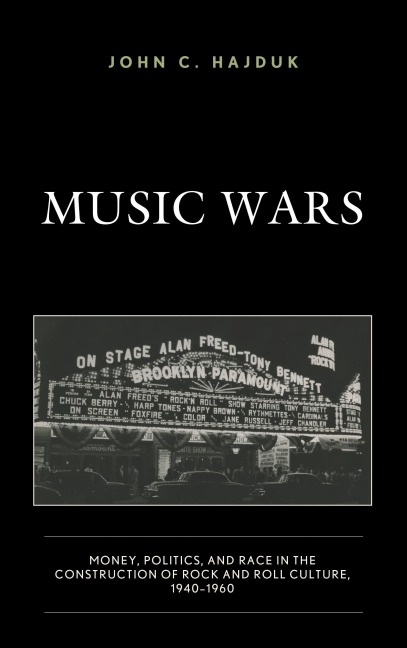
In the mid-twentieth century, certain elements of the American popular music industry (publishers, recording companies, and broadcasters) began to redefine their product as something more than mere entertainment. This became evident in the arguments made by competing sides in a series of clashes that unfolded during that period, starting with the ASCAP-Radio dispute of 1941 and ending with the payola scandal in 1959. Although these disputes typically revolved around economic issues, in making their cases to the public the respective sides often asserted the significant role played by popular music in promoting core national values. While such rhetoric was basically self-serving, when set against the backdrop of major events like World War II, the Civil Rights Movement, and the Cold War, it resonated strongly with the public and helped convince many that popular music offered more to its audience than momentary diversion. Considering that the resolutions to these conflicts also tended to expand opportunities for previously marginalized styles and performers, notably African-Americans and rural southerners, it became natural to link popular music to ideas of social progress as well. This contributed to the creation of what could be called "rock and roll culture," a coherent set of values related to concepts of youth, authenticity, sexual liberation, and social equality that emerged by the end of the 1950s. These traits became a prevalent part of American culture through the end of the twentieth century, with popular music seen a perhaps the most significant medium for expressing those values.
John C. Hajduk is professor of history at the University of Montana Western.
Chapter 1: "The Music Goes Round and Round": The Music Industry in 1940
Chapter 2: "There'll Be Some Changes Made": The ASCAP/Radio Feud
Chapter 3: "Federation Blues": The American Federation of Musicians' Battle: Against Canned Music
Chapter 4: "Ballad for Americans": The Red Scare and the Music Industry
Chapter 5: "Yakety Yak, Don't Talk Back": The Battle Against Rock and Roll
Chapter 6: "Your Cash Ain't Nothin' But Trash": The Payola Scandal
Conclusion: "Rock'n Roll Is Here to Stay"
Dieses eBook wird im PDF-Format geliefert und ist mit einem Adobe Kopierschutz (DRM) versehen. Sie können dieses eBook mit allen Geräten lesen, die das PDF-Format und den Adobe Kopierschutz (DRM) unterstützen.
Zum Beispiel mit den folgenden Geräten:
• tolino Reader
Laden Sie das eBook direkt über den Reader-Shop auf dem tolino herunter oder übertragen Sie das eBook auf Ihren tolino mit einer kostenlosen Software wie beispielsweise Adobe Digital Editions.
• Sony Reader & andere eBook Reader
Laden Sie das eBook direkt über den Reader-Shop herunter oder übertragen Sie das eBook mit der kostenlosen Software Sony READER FOR PC/Mac oder Adobe Digital Editions auf ein Standard-Lesegeräte mit epub- und Adobe DRM-Unterstützung.
• Tablets & Smartphones
Möchten Sie dieses eBook auf Ihrem Smartphone oder Tablet lesen, finden Sie hier unsere kostenlose Lese-App für iPhone/iPad und Android Smartphone/Tablets.
• PC & Mac
Lesen Sie das eBook direkt nach dem Herunterladen mit einer kostenlosen Lesesoftware, beispielsweise Adobe Digital Editions, Sony READER FOR PC/Mac oder direkt über Ihre eBook-Bibliothek in Ihrem Konto unter „Meine eBooks“ - „online lesen“.
Schalten Sie das eBook mit Ihrer persönlichen Adobe ID auf bis zu sechs Geräten gleichzeitig frei.
Bitte beachten Sie, dass die Kindle-Geräte das Format nicht unterstützen und dieses eBook somit nicht auf Kindle-Geräten lesbar ist.