Und dann auf "Zum Home-Bildschirm [+]".

Stöbern
genialokal zum Startbildschirm hinzufügen
Installieren Sie die genialokal App auf Ihrem Startbildschirm für einen schnellen Zugriff und eine komfortable Nutzung.
Installieren Sie die genialokal App auf Ihrem Startbildschirm für einen schnellen Zugriff und eine komfortable Nutzung.


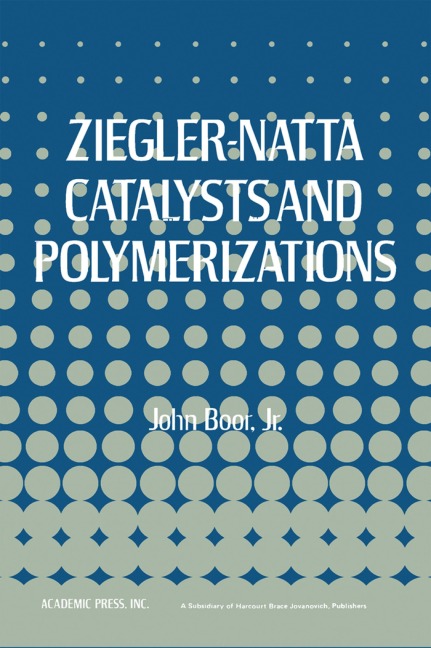
Ziegler-Natta Catalysts and Polymerizations reviews the general aspects of Ziegler-Natta catalysts and polymerizations of olefins, dienes, and many other types of monomers. Topics covered include the physical state of the polymer during polymerization; modification of Ziegler-Natta catalysts by third components; and termination of polymer chain growth. The oxidation state of catalysts and active centers is also discussed, along with copolymerizations and block polymerizations. This book is comprised of 23 chapters and begins with an overview of Ziegler-Natta catalysts and polymerizations, their historical origins, scientific and commercial importance, and major advances in polymer science. The next chapter focuses on definitions and stereochemistry of Ziegler-Natta catalysts, together with analytical methods used to identify and quantitatively measure their structures. Some of the polymers produced commercially with Ziegler-Natta catalysts are considered. The discussion then turns to mechanisms for initiating and propagating olefins; mechanisms for stereochemical control of conjugated and nonconjugated dienes; and the basic kinetic parameters that characterize Ziegler-Natta polymerizations. This monograph is written especially for chemistry and engineering graduate students and for industrial chemists, engineers, and managers who may become involved in a Ziegler-Natta problem.
ForewordPrefaceJohn Boor, Jr. (1930-1974)1 Highlights of Ziegler-Natta Catalysts and Polymerizations I. Highlights II. Collected Reviews References2 Genesis of Ziegler-Natta Catalysts I. Scientific and Commercial Importance II. Historical Origins III. Anticipation of the Catalyst and Contemporary Discoveries IV. The Golden Age of Polymer Science References3 Definitions, Stereochemistry, Experimental Methods, and Commercial Polymers I. Introduction II. Definition of Ziegler-Natta Catalysts III. Stereochemical Structures of Polymers and Methods of Characterization IV. Experimental Methods V. Commercial Polymers References4 Chemical Description of Ziegler-Natta Catalysts for Olefins I. Introduction II. Factors Determining Behavior of Catalysts for Olefins III. Some Important Classes of Catalysts for Olefins IV. Conclusion References5 The Chemical Description of Catalysts for Conjugated Dienes I. Introduction II. Factors Determining Isomerism III. Important Catalysts Identified for Specific Conjugated Dienes IV. Conclusion References6 Initial Physical State of the Catalyst I. Introduction II. Importance of the Physical State of the Catalyst III. Soluble Catalyst IV. Colloidal Catalysts V. Heterogenous Catalysis Including Supported Types VI. Conclusion References7 Physical State of the Polymer during Polymerization I. Introduction II. The Solution Process III. The Slurry Process IV. Vapor Phase Process V. Conclusion References8 Growth of the Polymer Particle I. Introduction II. Replication III. Architecture of TiCl3 Particles IV. How Does the Polymer Particle Grow? V. Practical Importance VI. Conclusion References9 Modification of Ziegler-Natta Catalysts by Third Components I. Introduction II. Discussion of Donors: Types of Third Components Added III. Conclusion References10 Termination of Polymer Chain Growth I. Introduction II. Chain Termination by Organic and Inorganic Compounds III. Chain Termination by Metal Alkyls IV. Chain Termination by Molecular Hydrogen V. Chain Termination by Unsaturated Hydrocarbons VI. Chain Termination by Thermal Cleavage VII. Chain Termination by Mechanical Forces References11 Oxidation State of Catalysts and Active Centers I. Introduction II. Catalysts Containing Selected Period 2 Transition Metal Salts III. Conclusion References12 Metal Alkyl-Free Catalysts I. Introduction II. Phillips and Standard of Indiana Catalysts III. Metal Alkyl-Free Catalysts Discovered after 1955 IV. Relationship to Ziegler-Natta Catalysts References13 Mechanisms for Initiation and Propagation of Olefins I. Introduction II. Nomenclature III. Proposed Mechanisms IV. Experimental Evidence V. Conclusion References14 Mechanisms for Initiation and Propagation of Dienes I. Introduction II. Proposed Mechanisms III. Experimental Evidence IV. Conclusion References15 Mechanisms for Stereochemical Control of --Olefins I. Introduction II. Mode of Addition III. Isotactic Propagation IV. Syndiotactic Propagation V. Steric Purity of Isotactic and Syndiotactic Polypropylenes VI. Conclusion References16 Mechanisms for Stereochemical Control of Conjugated and Nonconjugated Dienes I. Introduction II. Conjugated Dienes III. Nonconjugated Dienes IV. Conclusion References17 Mechanisms for Stereochemical Control of Stereoselective and Stereoelective Isotactic Propagations I. Introduction II. Stereoselection III. Stereoelection IV. Proposed Mechanisms References18 Kinetics I. Introduction II. Basic Kinetic Results III. Proposed Kinetic Models and Schemes IV. Operational Factors That Can Affect Kinetic Results V. Growth of Polymer Chain and Particle VI.