Und dann auf "Zum Home-Bildschirm [+]".

Stöbern
genialokal zum Startbildschirm hinzufügen
Installieren Sie die genialokal App auf Ihrem Startbildschirm für einen schnellen Zugriff und eine komfortable Nutzung.
Installieren Sie die genialokal App auf Ihrem Startbildschirm für einen schnellen Zugriff und eine komfortable Nutzung.


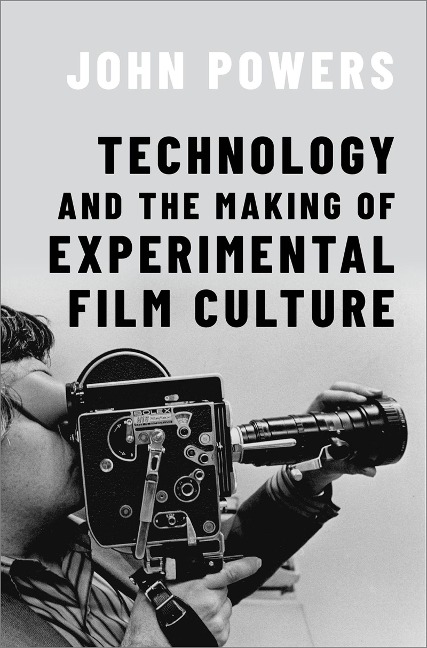
The Bolex camera, 16mm reversal film stocks, commercial film laboratories, and low-budget optical printers were the small-gauge media technologies that provided the infrastructure for experimental filmmaking at the height of its cultural impact. Technology and the Making of Experimental Film Culture examines how the avant-garde embraced these material resources and invested them with meanings and values adjacent to those of semiprofessional film culture. By reasserting the physicality of the body in making time-lapse and kinesthetic sequences with the Bolex, filmmakers conversed with other art forms and integrated broader spheres of humanistic and scientific inquiry into their artistic process. Drawing from the photographic qualities of stocks such as Tri-X and Kodachrome, they discovered pliant metaphors that allowed them to connect their artistic practice to metaphysics, spiritualism, and Hollywood excess. By framing film labs as mystical or adversarial, they cultivated an oppositionality that valorized control over the artistic process. And by using the optical printer as a tool for excavating latent meaning out of found footage, they posited the reworking of images as fundamental to the exploration of personal and cultural identity. Providing a wealth of new detail about the making of canonized avant-garde classics by such luminaries as Carolee Schneemann, Jack Smith, and Stan Brakhage, as well as rediscovering works from overlooked artists such as Chick Strand, Amy Halpern, and Gunvor Nelson, Technology and the Making of Experimental Film Culture uses technology as a lens for examining the process of making: where ideas come from, how they are put into practice, and how arguments about those ideas foster cultural and artistic commitments and communities.
John Powers is Assistant Professor of Film and Media Studies at Washington University in St. Louis. His writing has appeared in Cinema Journal, Screen, October, Discourse, and numerous edited volumes dedicated to experimental film and video.
List of Illustrations Introduction: Proscriptive Orientations Chapter 1. The Twitters of the Machine: The Bolex H-16 Camera In and Out of Control Chapter 2. Untrue Truisms: The Paradoxes of Reversal Film Stock Chapter 3. A Lab of One's Own: Personal Cinema Invades the Film Laboratory Chapter 4. Holding the Jalopy Together: The Optical Printer and DIY Culture Epilogue: Midwives for Existence Notes Selected Bibliography Index
Dieses eBook wird im PDF-Format geliefert und ist mit einem Adobe Kopierschutz (DRM) versehen. Sie können dieses eBook mit allen Geräten lesen, die das PDF-Format und den Adobe Kopierschutz (DRM) unterstützen.
Zum Beispiel mit den folgenden Geräten:
• tolino Reader
Laden Sie das eBook direkt über den Reader-Shop auf dem tolino herunter oder übertragen Sie das eBook auf Ihren tolino mit einer kostenlosen Software wie beispielsweise Adobe Digital Editions.
• Sony Reader & andere eBook Reader
Laden Sie das eBook direkt über den Reader-Shop herunter oder übertragen Sie das eBook mit der kostenlosen Software Sony READER FOR PC/Mac oder Adobe Digital Editions auf ein Standard-Lesegeräte mit epub- und Adobe DRM-Unterstützung.
• Tablets & Smartphones
Möchten Sie dieses eBook auf Ihrem Smartphone oder Tablet lesen, finden Sie hier unsere kostenlose Lese-App für iPhone/iPad und Android Smartphone/Tablets.
• PC & Mac
Lesen Sie das eBook direkt nach dem Herunterladen mit einer kostenlosen Lesesoftware, beispielsweise Adobe Digital Editions, Sony READER FOR PC/Mac oder direkt über Ihre eBook-Bibliothek in Ihrem Konto unter „Meine eBooks“ - „online lesen“.
Schalten Sie das eBook mit Ihrer persönlichen Adobe ID auf bis zu sechs Geräten gleichzeitig frei.
Bitte beachten Sie, dass die Kindle-Geräte das Format nicht unterstützen und dieses eBook somit nicht auf Kindle-Geräten lesbar ist.