Und dann auf "Zum Home-Bildschirm [+]".

Stöbern
genialokal zum Startbildschirm hinzufügen
Installieren Sie die genialokal App auf Ihrem Startbildschirm für einen schnellen Zugriff und eine komfortable Nutzung.
Installieren Sie die genialokal App auf Ihrem Startbildschirm für einen schnellen Zugriff und eine komfortable Nutzung.
Ihr gewünschter Artikel ist in 0 Buchhandlungen vorrätig - wählen Sie hier eine Buchhandlung in Ihrer Nähe aus:

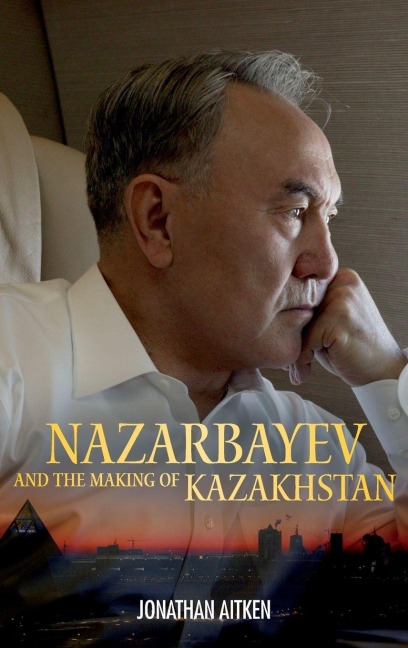
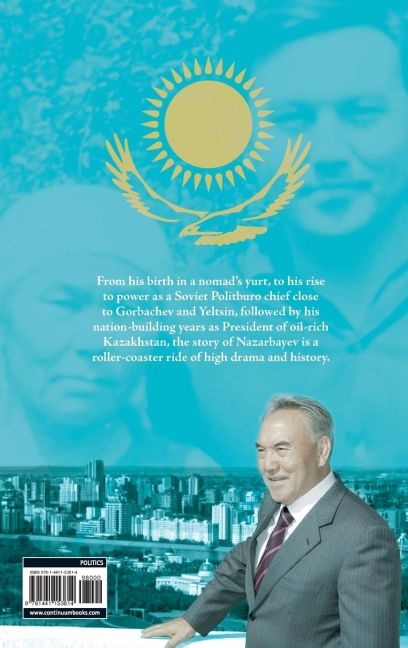
Kazakhstan is colossal in size, complicated in its history, colourful in its culture and is a nation state that most outsiders know little of. Much of the existing narrative revolves around the country's first president, Nursultan Nazarbayev. But his life can only be understood in the context of the land in which he was born, raised and became a leader. For centuries the tribes of Kazakhstan had been plundered and conquered by foreign invaders. The most ruthless of these were the 20th century leaders of the Soviet Union, but after its collapse it was Nazarbayev who emerged as the new President of the nation state. Jonathan Aitken's masterly book is a riveting account of how Kazakhstan has capitalised on its natural resources (including oil) to become one of the great economic success stories of the modern era. Nazarbayev himself is widely admired as a political leader and strategist, having overcome extraordinary crises including hyperinflation, food shortages and the emigration of two million people. However, his record on human rights is less than perfect and the independence of the judiciary and the press are questionable. Corruption is also widespread in Kazakh society, making it an easy target for Ali G in his movie Borat. The obstacles faced in becoming a successful economy are described and examined honestly in this truly fascinating story.
Jonathan Aitken
Prologue 1. Ancestry and Childhood 2. Student and Steelworker 3.Young Communist 4. Climbing the Party Ladder 5. Restless Prime Minister 6. December 1986 7. The Coup and The Break Up 8. The Birth Pains of Independence 9. To Nuclear or Not to Nuclear 10. New Currency, New Constitution 11. Russia, the Caspian and China 12. Entering the 21st Century 13. A Capital Vision 14. Epilogue