Und dann auf "Zum Home-Bildschirm [+]".

Stöbern
genialokal zum Startbildschirm hinzufügen
Installieren Sie die genialokal App auf Ihrem Startbildschirm für einen schnellen Zugriff und eine komfortable Nutzung.
Installieren Sie die genialokal App auf Ihrem Startbildschirm für einen schnellen Zugriff und eine komfortable Nutzung.


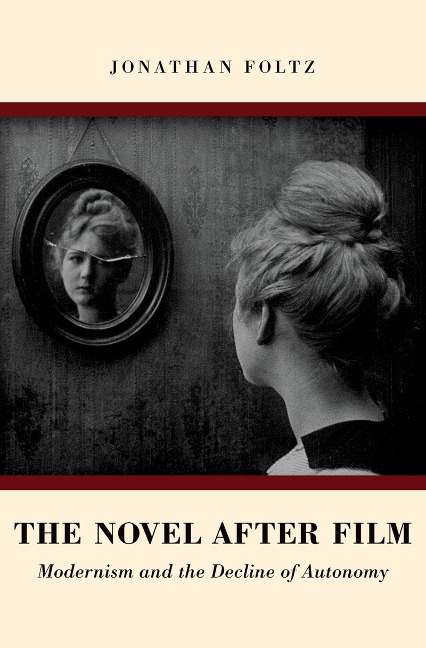
According to prevailing media histories, film long ago ought to have rendered the novel obsolete. The irony of this story is that the "death of the novel" at the hands of film has for a long time now been a pervasive trope of the novel's continued reinvention. The Novel After Film offers a substantial reassessment of this paradoxical new condition of novelistic practice in which writers have re-imagined the novel in the shadow of film. In the cinema, a generation of modernist writers found a medium whose bad form was also laced with the glamor of the popular, and whose unfamiliar visual language seemed to harbor a future for innovative writing after modernism. How did the cinema-with its crude continuities, crowded theaters, stock plots, and ghostly images-seem to flout conventional ideas of narrative form? What new literacies of experience and representation did film seem to promise? As The Novel After Film demonstrates, this fascination with film was played out against the backdrop of a growing discourse about the novel's respectability. As the modern novel was increasingly venerated as a genre of aesthetic refinement, authors such as Virginia Woolf, H. D., Henry Green and Aldous Huxley turned their attention to the cinema in search of alternative aesthetic histories. For authors working in modernism's atmosphere of heightened formal sophistication, film's bad form took on a perverse attraction. In this way, film played a key role in helping writers negotiate a transforming public culture which seemed to be leaving the novel behind.
Jonathan Foltz is Assistant Professor of Film and Literature at Boston University. His articles and reviews have appeared in Modernism/modernity, Screen, Critical Quarterly, and the Los Angeles Review of Books.
Chapter 1: The Novel after Film Chapter 2: Fables of Detachment Chapter 3: Virginia Woolf and the Lightness of the Novel Chapter 4: H. D.'s Multiple Eyes Chapter 5: Henry Green and the Infinitely Remote Chapter 6: Aldous Huxley and the Extinction of the Novel Epilogue Bibliography
Dieses eBook wird im PDF-Format geliefert und ist mit einem Adobe Kopierschutz (DRM) versehen. Sie können dieses eBook mit allen Geräten lesen, die das PDF-Format und den Adobe Kopierschutz (DRM) unterstützen.
Zum Beispiel mit den folgenden Geräten:
• tolino Reader
Laden Sie das eBook direkt über den Reader-Shop auf dem tolino herunter oder übertragen Sie das eBook auf Ihren tolino mit einer kostenlosen Software wie beispielsweise Adobe Digital Editions.
• Sony Reader & andere eBook Reader
Laden Sie das eBook direkt über den Reader-Shop herunter oder übertragen Sie das eBook mit der kostenlosen Software Sony READER FOR PC/Mac oder Adobe Digital Editions auf ein Standard-Lesegeräte mit epub- und Adobe DRM-Unterstützung.
• Tablets & Smartphones
Möchten Sie dieses eBook auf Ihrem Smartphone oder Tablet lesen, finden Sie hier unsere kostenlose Lese-App für iPhone/iPad und Android Smartphone/Tablets.
• PC & Mac
Lesen Sie das eBook direkt nach dem Herunterladen mit einer kostenlosen Lesesoftware, beispielsweise Adobe Digital Editions, Sony READER FOR PC/Mac oder direkt über Ihre eBook-Bibliothek in Ihrem Konto unter „Meine eBooks“ - „online lesen“.
Schalten Sie das eBook mit Ihrer persönlichen Adobe ID auf bis zu sechs Geräten gleichzeitig frei.
Bitte beachten Sie, dass die Kindle-Geräte das Format nicht unterstützen und dieses eBook somit nicht auf Kindle-Geräten lesbar ist.