Und dann auf "Zum Home-Bildschirm [+]".

Stöbern
genialokal zum Startbildschirm hinzufügen
Installieren Sie die genialokal App auf Ihrem Startbildschirm für einen schnellen Zugriff und eine komfortable Nutzung.
Installieren Sie die genialokal App auf Ihrem Startbildschirm für einen schnellen Zugriff und eine komfortable Nutzung.


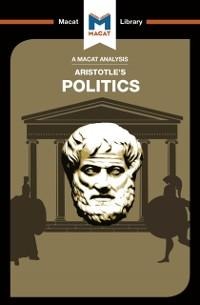
Aristotle remains one of the most celebrated thinkers of all time in large part thanks to his incisive critical thinking skills. In Politics, which can be considered one of the foundational books of the western political tradition, the focus is on problem-solving, and particularly on the generation and evaluation of alternative possibilities. Aristotle's aim, in Politics, is to determine how best to organize a society. He looks in turn at several different type of organization - kingship, oligarchy and the polity, or rule in the hands of many - and evaluates the arguments for each in turn. But he takes the exercise further than his predecessors had done. Having concluded that rule by the aristocracy would be preferable, since it would mean rule by citizens capable of taking decisions on behalf of the society as a whole, Aristotle subjects his solution to a further checking process, asking productive questions in order to make a sound decision between alternatives. Politics was ground-breaking in its approach. Unlike previous thinkers, Aristotle based all his ideas on a practical assessment of how they would play out in the real world. Ultimately, Aristotle argues, the problem of self-interest means that the adoption of a mixed constitution - one based on carefully considered laws which aims at a balance of power between the people and the elite - is most likely to bring eudaemonia (happiness). It's a conclusion firmly based on careful evaluation (not least the process of judging the adequacy of arguments) and the product of outstanding problem-solving skills.
Katherine Berrisford is researching a PhD thesis in political theory at the University of Exeter. Riley Quinn holds master's degrees in politics and international relations from both LSE and the University of Oxford.
Ways in to the Text Who was Aristotle? What does Politics Say? Why does Politics Matter? Section 1: Influences Module 1: The Author and the Historical Context Module 2: Academic Context Module 3: The Problem Module 4: The Author's Contribution Section 2: Ideas Module 5: Main Ideas Module 6: Secondary Ideas Module 7: Achievement Module 8: Place in the Author's Work Section 3: Impact Module 9: The First Responses Module 10: The Evolving Debate Module 11: Impact and Influence Today Module 12: Where Next? Glossary of Terms People Mentioned in the Text Works Cited
Dieses eBook wird im PDF-Format geliefert und ist mit einem Adobe Kopierschutz (DRM) versehen. Sie können dieses eBook mit allen Geräten lesen, die das PDF-Format und den Adobe Kopierschutz (DRM) unterstützen.
Zum Beispiel mit den folgenden Geräten:
• tolino Reader
Laden Sie das eBook direkt über den Reader-Shop auf dem tolino herunter oder übertragen Sie das eBook auf Ihren tolino mit einer kostenlosen Software wie beispielsweise Adobe Digital Editions.
• Sony Reader & andere eBook Reader
Laden Sie das eBook direkt über den Reader-Shop herunter oder übertragen Sie das eBook mit der kostenlosen Software Sony READER FOR PC/Mac oder Adobe Digital Editions auf ein Standard-Lesegeräte mit epub- und Adobe DRM-Unterstützung.
• Tablets & Smartphones
Möchten Sie dieses eBook auf Ihrem Smartphone oder Tablet lesen, finden Sie hier unsere kostenlose Lese-App für iPhone/iPad und Android Smartphone/Tablets.
• PC & Mac
Lesen Sie das eBook direkt nach dem Herunterladen mit einer kostenlosen Lesesoftware, beispielsweise Adobe Digital Editions, Sony READER FOR PC/Mac oder direkt über Ihre eBook-Bibliothek in Ihrem Konto unter „Meine eBooks“ - „online lesen“.
Schalten Sie das eBook mit Ihrer persönlichen Adobe ID auf bis zu sechs Geräten gleichzeitig frei.
Bitte beachten Sie, dass die Kindle-Geräte das Format nicht unterstützen und dieses eBook somit nicht auf Kindle-Geräten lesbar ist.