Und dann auf "Zum Home-Bildschirm [+]".

Stöbern
genialokal zum Startbildschirm hinzufügen
Installieren Sie die genialokal App auf Ihrem Startbildschirm für einen schnellen Zugriff und eine komfortable Nutzung.
Installieren Sie die genialokal App auf Ihrem Startbildschirm für einen schnellen Zugriff und eine komfortable Nutzung.
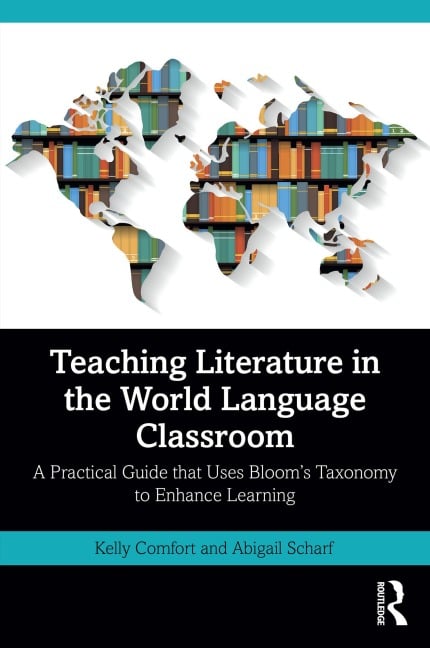
Teaching Literature in the World Language Classroom presents a five-stage methodology for teaching literature in language curriculum that repurposes Bloom's original and revised taxonomy to promote the language acquisition process and spark other types of learning. The first step of text selection, preparation, and initiation asks students to: recognize familiar words, structures, and concepts; contextualize the reading; and remember the main details of the text. The second stage of beginning literary analysis gets target-language learners to describe, identify, and understand the basic elements of plot, character, setting, and narration. The third phase of intermediate literary analysis prompts students to interpret, analyze, and examine major themes, key passages, and the overall commentary. The fourth step of advanced literary analysis teaches students to synthesize multiple and conflicting interpretations, compare assigned texts across units or themes, and evaluate works through essay writing. The fifth stage of reflective and creative engagement challenges students to relate the assigned texts to themselves through personal and intercultural reflection, create new artistic works, and produce unique texts in the target language. The concluding chapter showcases all five stages of the methodology by applying them to a sample text, thereby inviting world language educators to assess the potential usefulness of Comfort and Scharf's approach to their own language courses. This is an ideal resource for world language educators teaching literature as well as undergraduate and graduate education students focusing on target-language literature instruction and its role in the language acquisition process.
Kelly Comfort holds a Ph.D. in comparative literature from the University of California, Davis. She is a professor of Spanish in the School of Modern Languages at the Georgia Institute of Technology. Abigail Scharf has completed her B.A. in Spanish and psychology from the University of Miami and her M.S. in applied languages and intercultural studies from the Georgia Institute of Technology and is currently pursuing a J.D. at The George Washington University Law School.
Preface: In Defense of Teaching Literature in the World Language Classroom Introduction: Repurposing Bloom's Taxonomy for Teaching Literature in the World Language Classroom Chapter 1: Text Selection, Preparation, and Initiation: Recognize, Contextualize, Remember Chapter 2: Beginning Literary Analysis: Describe, Identify, Understand Chapter 3: Intermediate Literary Analysis: Interpret, Analyze, Examine Chapter 4: Advanced Literary Analysis: Synthesize, Compare, Evaluate Chapter 5: Reflective and Creative Engagement: Relate, Create, Produce Conclusion: From Theory to Practice-Applying Our Methodology to a Sample Literary Text Index
Dieses eBook wird im PDF-Format geliefert und ist mit einem Adobe Kopierschutz (DRM) versehen. Sie können dieses eBook mit allen Geräten lesen, die das PDF-Format und den Adobe Kopierschutz (DRM) unterstützen.
Zum Beispiel mit den folgenden Geräten:
• tolino Reader
Laden Sie das eBook direkt über den Reader-Shop auf dem tolino herunter oder übertragen Sie das eBook auf Ihren tolino mit einer kostenlosen Software wie beispielsweise Adobe Digital Editions.
• Sony Reader & andere eBook Reader
Laden Sie das eBook direkt über den Reader-Shop herunter oder übertragen Sie das eBook mit der kostenlosen Software Sony READER FOR PC/Mac oder Adobe Digital Editions auf ein Standard-Lesegeräte mit epub- und Adobe DRM-Unterstützung.
• Tablets & Smartphones
Möchten Sie dieses eBook auf Ihrem Smartphone oder Tablet lesen, finden Sie hier unsere kostenlose Lese-App für iPhone/iPad und Android Smartphone/Tablets.
• PC & Mac
Lesen Sie das eBook direkt nach dem Herunterladen mit einer kostenlosen Lesesoftware, beispielsweise Adobe Digital Editions, Sony READER FOR PC/Mac oder direkt über Ihre eBook-Bibliothek in Ihrem Konto unter „Meine eBooks“ - „online lesen“.
Schalten Sie das eBook mit Ihrer persönlichen Adobe ID auf bis zu sechs Geräten gleichzeitig frei.
Bitte beachten Sie, dass die Kindle-Geräte das Format nicht unterstützen und dieses eBook somit nicht auf Kindle-Geräten lesbar ist.