Installieren Sie die genialokal App auf Ihrem Startbildschirm für einen schnellen Zugriff und eine komfortable Nutzung.
Tippen Sie einfach auf Teilen:
Und dann auf "Zum Home-Bildschirm [+]".
Bei genialokal.de kaufen Sie online bei Ihrer lokalen, inhabergeführten Buchhandlung!
Ihr gewünschter Artikel ist in 0 Buchhandlungen vorrätig - wählen Sie hier eine Buchhandlung in Ihrer Nähe aus:

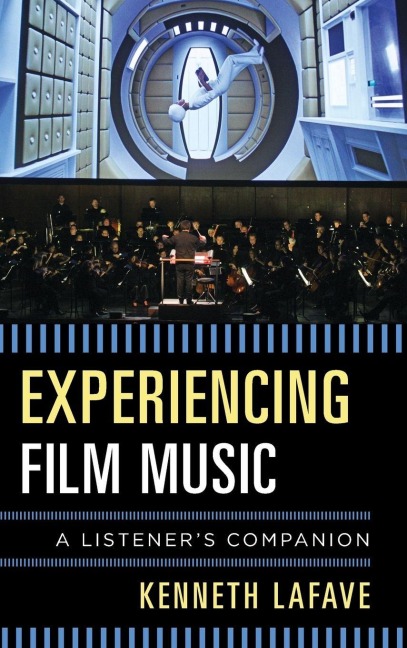
Of all the elements that combine to make movies, music sometimes seems the forgotten stepchild. Yet it is an integral part of the cinematic experience. Minimized as mere "background music," film scores enrich visuals with emotional mood and intensity, underscoring directors' intentions, enhancing audiences' reactions, driving the narrative forward, and sometimes even subverting all three. Trying to imagine The Godfather or Lawrence of Arabia with a different score is as difficult as imagining them featuring a different cast.
In Experiencing Film Music: A Listener's Companion, Kenneth LaFave guides the reader through the history, ideas, personalities, and visions that have shaped the music we hear on the big screen. Looking back to the music improvised for early silent movies, LaFave traces the development of the film score from such early epic masterpieces as Max Steiner's work for Gone With the Wind, Bernard Herrmann's musical creations for Alfred Hitchcock's thrillers, Jerry Goldsmith's sonic presentation of Chinatown, and Ennio Morricone's distinctive rewrite of the Western genre, to John Williams' epoch-making Jaws and Star Wars. LaFave also brings readers into the present with looks at the work over the last decade and a half of Hans Zimmer, Alan Silvestre, Carter Brey, and Danny Elfman.
Experiencing Film Music: A Listener's Companion opens the ears of film-goers to the nuance behind movie music, laying out in simple, non-technical language how composers and directors map what we hear to what we see-and, not uncommonly, back again.
Kenneth LaFave, former music critic for the Arizona Republic and the Kansas City Star, composes, teaches, and writes about music. The Phoenix Symphony, the Chicago String Quartet, and the Kansas City Chorale have commissioned scores from him, and his essays and reviews have appeared in NewMusicBox.org, Opera News, and Dance magazine. LaFave was a pit musician for the workshop production of Leonard Bernstein's last (unfinished) musical, The Race to Urga. He is the author of Experiencing Leonard Bernstein: A Listener's Companion.
Timeline Introduction Chapter 1: The Not-So Silent Era Chapter 2: Max Steiner and the First Generation SPOTLIGHT: SPOTTING AND CLICK-TRACKS Chapter 3: Mysteries, Thrillers and Film noir SPOTLIGHT: ORCHESTRATORS Chapter Four: The Epic, the Exotic, and War Chapter Five: Cowboys and Superheroes Chapter Six: Drama SPOTLIGHT: JAZZ IN FILM MUSIC Chapter Seven: Theme Songs, Comedies, and Romantic Comedies SPOTLIGHT: ANIMATION Chapter Eight: Science Fiction and Fantasy. Chapter Nine: Ambient Music, No Music, and Ready-mades Chapter Ten: Trends and Innovations Selected Listening Suggested Reading