Und dann auf "Zum Home-Bildschirm [+]".

Stöbern
genialokal zum Startbildschirm hinzufügen
Installieren Sie die genialokal App auf Ihrem Startbildschirm für einen schnellen Zugriff und eine komfortable Nutzung.
Installieren Sie die genialokal App auf Ihrem Startbildschirm für einen schnellen Zugriff und eine komfortable Nutzung.

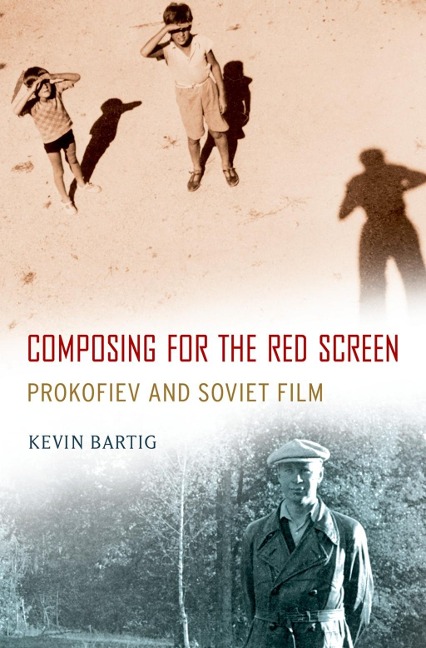
Sound film captivated Sergey Prokofiev during the final two decades of his life: he considered composing for nearly two dozen pictures, eventually undertaking eight of them, all Soviet productions. Hollywood luminaries such as Gloria Swanson tempted him with commissions, and arguably more people heard his film music than his efforts in all other genres combined. Films for which Prokofiev composed, in particular those of Sergey Eisenstein, are now classics of world cinema. Drawing on newly available sources, Composing for the Red Screen examines - for the first time - the full extent of this prodigious cinematic career. Author Kevin Bartig examines how Prokofiev's film music derived from a self-imposed challenge: to compose "serious" music for a broad audience. The picture that emerges is of a composer seeking an individual film-music voice, shunning Hollywood models and objecting to his Soviet colleagues' ideologically expedient film songs. Looking at Prokofiev's film music as a whole - with well-known blockbusters like Alexander Nevsky considered alongside more obscure or aborted projects - reveals that there were multiple solutions to the challenge, each with varying degrees of success. Prokofiev carefully balanced his own populist agenda, the perceived aesthetic demands of the films themselves, and, later on, Soviet bureaucratic demands for accessibility.
Kevin Bartig is Assistant Professor of Musicology at Michigan State University.
Acknowledgements Editorial Matters Abbreviations Introduction Chapter 1. New Media, New Means: Lieutenant Kizhe, 1932-34 Chapter 2. The Queen of Spades, The 1937 Pushkin Jubilee, and Repatriation Chapter 3. The Year 1938: Halcyon Days in Hollywood and an Unanticipated Collaboration Chapter 4. Alexander Nevsky and the Stalinist Museum Chapter 5. The Wartime Films, 1940-43 Chapter 6. Ivan the Terrible and the Russian National Tradition Epilogue Appendix Works cited Index