Und dann auf "Zum Home-Bildschirm [+]".

Stöbern
genialokal zum Startbildschirm hinzufügen
Installieren Sie die genialokal App auf Ihrem Startbildschirm für einen schnellen Zugriff und eine komfortable Nutzung.
Installieren Sie die genialokal App auf Ihrem Startbildschirm für einen schnellen Zugriff und eine komfortable Nutzung.



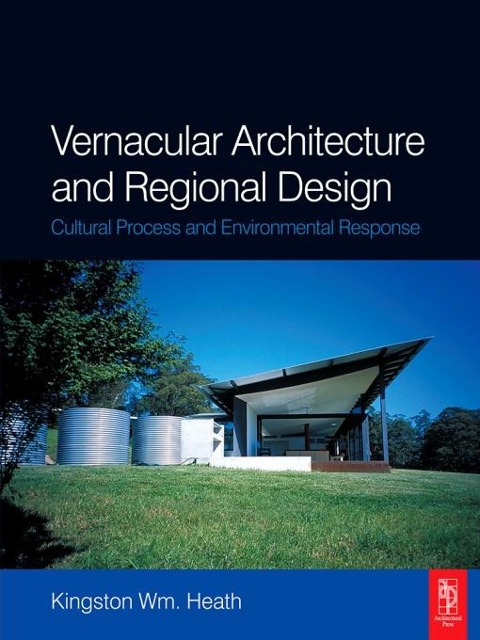
Sustainable design requires that design practitioners respond to a particular set of social, cultural and environmental conditions. 'Vernacular Architecture and Regional Design' defines a set of strategies for understanding the complexities of a regional setting. Through a series of international case studies, it examines how architects and designers have applied a variety of tactics to achieve culturally and environmentally appropriate design solutions. . Shows that architecture and design are inextricably linked to social and environmental processes, and are not just technical or aesthetic exercises. . Articulates a variety of methods to realise goals of socially responsible and environmentally responsive design. . Calls for a principled approach to design in an effort to preserve fragile environments and forge sustainable best practice. 'Vernacular Architecture and Regional Design' will appeal to educators and professional practitioners in the fields of architecture, heritage conservation and urban design. Dr. Kingston Wm. Heath is Professor and Director of the Historic Preservation Program at the University of Oregon. Previously he was Professor of Architecture at the University of North Carolina, Charlotte where he taught seminars on vernacular architecture and regional design theory. He holds graduate degrees from the University of Chicago and Brown University. In addition to numerous articles in scholarly journals, he is the author of Patina of Place, and winner of the Abbott Lowell Cummings Award from The Vernacular Architecture Forum for excellence in a scholarly work. He has earned an international reputation in the field of vernacular architecture and has directed field schools in Italy and Croatia.
WM. HEATH KINGSTON
Exploring the Nature of Place; Part 1 An interpretive model for assessing regional identity amidst change; Part 2 Architecture as cultural production; Part 3 From regional theory to a situated regional response; Part 4 Introduction; Part 5 People - Improving the Human Condition Through Design; Part 6 Finding patterns within the local building culture, and preserving the continuity of tradition through; Part icipatory housing and community development; Part 7 Facing the challenge of a framework approach; Part 8 Rewriting history through architecture; Part 9 Locale - Interpreting and Accommodating Characteristics of an Evolving Landscape; Part 10 Embracing the urban contradictions of a border zone; Part 11 Introduction; Part 12 Environment - Appropriate Technologies and Design Tied to the Dynamics of Place; Part 13 A poverty of resources/a richness of expression; Part 14 Celebrating and safeguarding the environment through residential design; Part 15 Architecture of response rather than imposition;