Und dann auf "Zum Home-Bildschirm [+]".

Stöbern
genialokal zum Startbildschirm hinzufügen
Installieren Sie die genialokal App auf Ihrem Startbildschirm für einen schnellen Zugriff und eine komfortable Nutzung.
Installieren Sie die genialokal App auf Ihrem Startbildschirm für einen schnellen Zugriff und eine komfortable Nutzung.
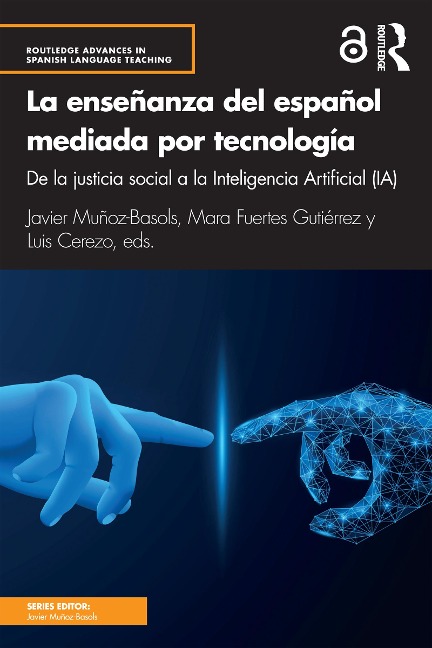
La enseñanza del español mediada por tecnología ofrece una nutrida panorámica de la investigación actual y de las estrategias didácticas sobre la integración de la tecnología en la enseñanza y el aprendizaje del español. Estructurado en trece capítulos esenciales, el libro constituye una hoja de ruta diseñada para que los profesionales de la lengua incorporen de manera eficaz la tecnología en cualquier entorno de aprendizaje: presencial, híbrido o en línea. Características principales: - marco metodológico Planificar, Personalizar e Implementar (PPI) con elementos teóricos y prácticos sobre tecnología y enseñanza de lenguas - selección de temas: accesibilidad, diseño curricular, actitudes de los docentes y diversidad; estrategias para gestionar la motivación, ansiedad, interacción y feedback; pautas para gestionar la enseñanza híbrida y en línea, inmersión lingüística digital, podcasts y narraciones digitales; gamificación e Inteligencia Artificial (IA) - estructura consistente: conceptos clave, directrices metodológicas, consideraciones prácticas y referencias adicionales - estrategias pedagógicas para apoyar la enseñanza de lenguas mediada por tecnología Escrito por un elenco internacional de investigadores, el libro es un recurso único para incorporar prácticas eficientes en la enseñanza de idiomas mediada por tecnología. The Open Access version of this book, available at http://www.taylorfrancis.com, has been made available under a Creative Commons Attribution-Non Commercial-No Derivatives (CC-BY-NC-ND) 4.0 license. La enseñanza del español mediada por tecnología offers a thorough exploration of current research and instructional strategies related to the integration of technology into the teaching and learning of Spanish. It consists of thirteen chapters that serve as a roadmap designed for language professionals to effectively incorporate technology into their learning environments: face-to-face, hybrid, or fully online. Key features: - Three major sections presented as a framework, Planning, Personalizing and Implementing (PPI), that blend both theoretical and practical elements of technology; - A unique range of topics, such as accessibility, curriculum development, teachers' beliefs and diversity; strategies for managing motivation, anxiety, interaction, and feedback; tips for effective hybrid and online teaching, digital language immersion, use of podcasts and digital storytelling, gamification, and Artificial Intelligence (AI); - A consistent format for all chapters, with key concepts, methodological guidelines, practical considerations, and references for further exploration of each topic covered; - Clear explanations and numerous scenarios that help readers comprehend the various factors that influence technology-assisted language learning; - Support for educators in navigating the challenges that arise in technology-enhanced learning and teaching, with a focus on pedagogical best practices; - Tips for educators to transition from a conventional curriculum approach to a more creative and engaging one that maximizes learning opportunities mediated by technology. Written by an international team of scholars, La enseñanza del español mediada por tecnología is a unique resource for Spanish language professionals at any context who wish to improve and enhance their teaching techniques. The book will be equally valuable to teachers of other languages as it contains relevant material on best practices and classroom management in technology-mediated education.
Javier Muñoz-Basols es Investigador Distinguido Sénior Beatriz Galindo en la Universidad de Sevilla (España) y Honorary Faculty Research Fellow en Universidad de Oxford (Reino Unido). Mara Fuertes Gutiérrez es Senior Lecturer in Spanish en la Open University (Reino Unido). Luis Cerezo es Associate Professor de Lingüística Aplicada en American University (EE.UU.).
Planificar, Personalizar, Implementar (PPI): la enseñanza de lenguas mediada por tecnología Planning, Personalization, Implementation (PPI): technology-mediated language teaching Javier Muñoz-Basols, Mara Fuertes Gutiérrez y Luis Cerezo Parte I: Planificar las necesidades tecnológicas Planning technology needs 1. Accesibilidad a la tecnología y justicia social Access to technology and social justice 2. Planificación y desarrollo curricular en entornos virtuales Curriculum planning and development in virtual environments 3. Creencias, actitudes y competencias del docente virtual Virtual teachers' beliefs, attitudes and competences 4. Prácticas tecnológicas eficientes y diversidad Efficient technological practices and diversity Parte II: Personalizar la enseñanza y el aprendizaje Personalizing learning and teaching 5. Motivación y enseñanza virtual Motivation and virtual teaching 6. Ansiedad y aprendizaje virtual Anxiety and virtual learning 7. Interacción en entornos virtuales de aprendizaje Interaction in virtual learning environments 8. Evaluación y feedback en entornos virtuales de aprendizaje Assessment and feedback in virtual learning environments Parte III: Implementar recursos tecnológicos Implementing technology resources 9. Enseñanza híbrida, en línea y aula invertida Hybrid and online teaching and flipped classroom 10. Inmersión Lingüística Digital (ILD) e intercambios virtuales Digital language immersion (DLI) and virtual exchanges 11. Destrezas y digitalización lingüística: podcasts e historias digitales Competences and language digitalization: podcasts and digital storytelling 12. Pedagogía Lúdica Digital (PLD): videojuegos, minijuegos, realidades extendidas y robots Digital Ludic Pedagogies (DLP): videogames, mnigames, extended reality and robots Epílogo: Nuevos escenarios mediados por tecnología New technology-mediated scenarios 13. Oportunidades de la Inteligencia Artificial (IA) en la enseñanza y el aprendizaje de lenguas Opportunities for Artificial Intelligence (AI) in language teaching and learning