Und dann auf "Zum Home-Bildschirm [+]".

Stöbern
genialokal zum Startbildschirm hinzufügen
Installieren Sie die genialokal App auf Ihrem Startbildschirm für einen schnellen Zugriff und eine komfortable Nutzung.
Installieren Sie die genialokal App auf Ihrem Startbildschirm für einen schnellen Zugriff und eine komfortable Nutzung.
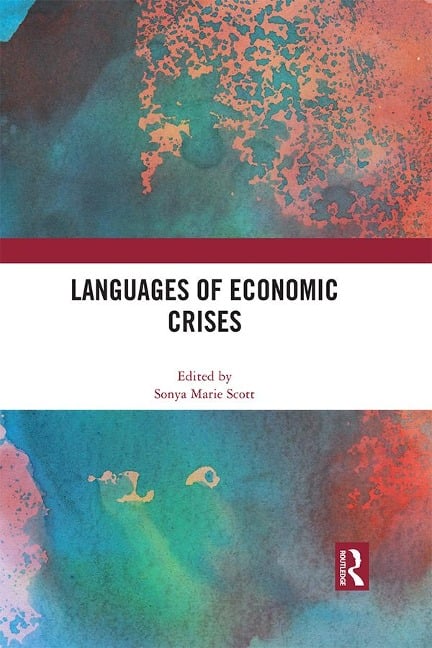
This book offers a critical engagement with languages that describe, perpetuate, respond to, and resist economic crises. Unlike many volumes on economic crises that offer economistic explanations of their causes or policy suggestions for their resolution, this collection explores the different types of language used to deal with complex economic phenomena. The chapters in this volume examine a range of connections between language and crises: from the metaphors used historically to describe economic crises, to the languages deployed within periods of crises and economic struggle, to the popular responses thereto (including political manifestations and worker-organized enterprises). Also considered are the implications for democratic participation and gender relations, and the lack of language to express economic experience amongst certain groups. With essays from seven contributors representing five different countries, this collection has global relevance in a time marked by economic volatility and upheaval, and will serve as a valuable resource for those interested in the politics of language, economic discourse and the epistemological complexities of economic crises. The chapters in this book were originally published as a special issue of the Journal of Cultural Economy.
Sonya Marie Scott teaches in the Department of Social Science at York University, Canada. Her research focuses on economic subjectivity, epistemology, language and economic crises, and the history of economic thought. She is author of Architectures of Economic Subjectivity: The Philosophical Foundations of the Subject in the History of Economic Thought (2013).
Foreword Christopher Bradd and Sonya Marie Scott Introduction: Languages of economic crises: narrating, resisting, speaking otherwise Sonya Marie Scott 1. The metaphors of crises Daniele Besomi 2. Vultures, debt and desire: the vulture metaphor and Argentina's sovereign debt crisis Sonya Marie Scott 3. Confronting Spain's crises: from the language of the plazas to the rise of Podemos Jose Luis Carretero Miramar and Christopher Bradd 4. Recuperating and (re)learning the language of autogestión in Argentina's empresas recuperadas worker cooperatives Marcelo Vieta 5. Making sense of precarity: talking about economic insecurity with millennials in Canada Nancy Worth 6. Language, gender and crisis: An interview with Katherine Gibson Katherine Gibson and Sonya Marie Scott
Dieses eBook wird im PDF-Format geliefert und ist mit einem Adobe Kopierschutz (DRM) versehen. Sie können dieses eBook mit allen Geräten lesen, die das PDF-Format und den Adobe Kopierschutz (DRM) unterstützen.
Zum Beispiel mit den folgenden Geräten:
• tolino Reader
Laden Sie das eBook direkt über den Reader-Shop auf dem tolino herunter oder übertragen Sie das eBook auf Ihren tolino mit einer kostenlosen Software wie beispielsweise Adobe Digital Editions.
• Sony Reader & andere eBook Reader
Laden Sie das eBook direkt über den Reader-Shop herunter oder übertragen Sie das eBook mit der kostenlosen Software Sony READER FOR PC/Mac oder Adobe Digital Editions auf ein Standard-Lesegeräte mit epub- und Adobe DRM-Unterstützung.
• Tablets & Smartphones
Möchten Sie dieses eBook auf Ihrem Smartphone oder Tablet lesen, finden Sie hier unsere kostenlose Lese-App für iPhone/iPad und Android Smartphone/Tablets.
• PC & Mac
Lesen Sie das eBook direkt nach dem Herunterladen mit einer kostenlosen Lesesoftware, beispielsweise Adobe Digital Editions, Sony READER FOR PC/Mac oder direkt über Ihre eBook-Bibliothek in Ihrem Konto unter „Meine eBooks“ - „online lesen“.
Schalten Sie das eBook mit Ihrer persönlichen Adobe ID auf bis zu sechs Geräten gleichzeitig frei.
Bitte beachten Sie, dass die Kindle-Geräte das Format nicht unterstützen und dieses eBook somit nicht auf Kindle-Geräten lesbar ist.