Und dann auf "Zum Home-Bildschirm [+]".

Stöbern
genialokal zum Startbildschirm hinzufügen
Installieren Sie die genialokal App auf Ihrem Startbildschirm für einen schnellen Zugriff und eine komfortable Nutzung.
Installieren Sie die genialokal App auf Ihrem Startbildschirm für einen schnellen Zugriff und eine komfortable Nutzung.

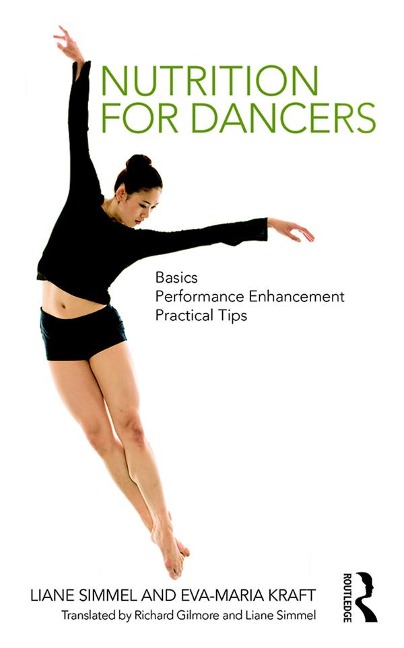
Dancers are top performance athletes on stage - to keep fit and healthy proper nutrition is an integral part of an optimal dance training. Nutrition for Dancers provides the principles of nutrition for dancers of all genres. Authors Liane Simmel and Eva- Maria Kraft clarify widespread nutritional mistakes and give advice on how a healthy diet can be incorporated into the everyday life of dancers.
Liane Simmel, MD, runs an institute for dance medicine, Fit for Dance. The former dancer is now a doctor of dance medicine and was the president of the German Dance Medicine Association for many years. Eva-Maria Kraft is a certified nutritional expert with the specialization in dance, but also a dance teacher and freelance dancer. She gives nutritional courses and seminars in professional training centres for dance, acting, and musical performance.
Getting started 1 The basics - an overview Dancing needs energy Providing energy - oxygen is key Digestion - from food to energy Carbohydrates as energy providers Regulating blood sugar Energy reserves for dance Fats as energy providers Not all fats are alike Proteins - Building blocks for the body Quality lies in the combination Vitamins, Minerals, & key micronutrients Vitamins and phytonutrients Minerals: macro-minerals and trace elements 2. Drinking - Fluids are crucial Water and its significance for the dancer Perspiration - an intelligent cooling system The dangers of lacking fluids The right drink Selection criteria Handle with care! 3. What? The agony of choice Daily requirements - recommendations for planning your diet Breakfast - getting off to a good start Cold breakfasts Warm breakfasts Main meals - the basis of fitness The "plate of thirds" - healthy nutrition at a glance Snacks - energy on the go Practice makes perfect - some general information Other senses enjoy the meal, too. Warm or cold? Sugar - a How-To? Comfort Foods Food in balance - a planning aid Dietary Supplements - healthy or unhealthy? If things don't run smoothly - digestive problems and food allergies Digestion is work Food intolerance 4. When? Timing is everything Eating around a dancer's schedule Before dancing: stock up on energy While dancing: maintain your energy After dancing: accelerate regeneration A daily meal plan Reality can be a different story No time, no space Working evenings 5. How? Healthy nutrition as a daily routine Preparation is key - shop with a plan Writing a grocery list Navigating the offers Reading labels Seasonal and regional Organic- yes or no? "Free of" and "diet" products - the power of advertising Cooking tips for everyday life The right amount of water Oil - a How-To? Healthy toppings - sprouts, seeds, and co. Homemade or ready meals? Eating out 6. Fit and slim - a challenge for dancers How many calories does a dancer need? Your basic energy needs Your total energy needs - movement is key Figure and body composition BMI - the Body Mass Index Body fat - an unloved necessity Maintaining body fat Much ado about weighing Dancing influences one's weight Dancing influences one's diet A new living situation alters one's diet Putting dieting to the test Dropping weight too quickly - the body's emergency plan How to lose weight the healthy way Eating disorders - awareness is key Causes, risk factors, triggers Is this still normal? - warning signs of an eating disorder Avoiding eating disorders - tips for the dance world 7. Synoptic of foods and nutrients Appendix Literature Recommended web links Contact addresses for eating disorders Register Index