Und dann auf "Zum Home-Bildschirm [+]".

Stöbern
genialokal zum Startbildschirm hinzufügen
Installieren Sie die genialokal App auf Ihrem Startbildschirm für einen schnellen Zugriff und eine komfortable Nutzung.
Installieren Sie die genialokal App auf Ihrem Startbildschirm für einen schnellen Zugriff und eine komfortable Nutzung.

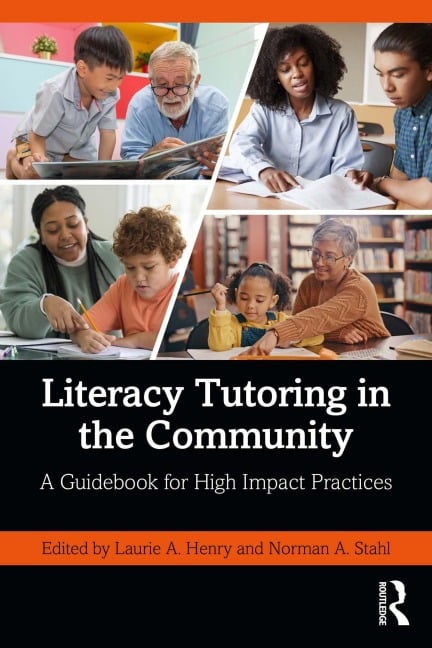
Literacy Tutoring in the Community presents best practices in literacy tutoring through a guidebook of high-impact and systematic instruction toward successful tutoring. With a grounding in pedagogical philosophies, this book includes structured approaches to tutoring aligned to the five pillars set forth by the National Reading Panel, and it focuses on a variety of proven tutoring models (e.g., supplemental instruction, cross-age tutoring, parents as tutors). This book emphasizes the importance of leveraging literature to enrich tutoring practices, while also making connections between tutoring and schoolwork from the elementary level up to college entry. Through an intentional culturally responsive lens, the authors build on funds of knowledge and use a language experience approach along with culturally and linguistically diverse texts to enhance instruction for diverse learners. The book ends with a series of case studies highlighting specific literacy challenges, as well as tools for tutors, such as a tutoring session lesson plan, literacy lesson log, reading skills checklist, tutor report form, and more. This book will be a beneficial resource to tutors working with learners across all ages and school levels. It can serve as a desk reference for literacy-focused tutoring programs in libraries, community centers, colleges, service-learning classes, philanthropic organizations, and more.
Laurie A. Henry is Dean of the Seidel School of Education and Professor of Literacy Studies at Salisbury University. Norman A. Stahl is Professor Emeritus of Literacy Education at Northern Illinois University.
Contents Acknowledgments Introduction Chapter 1. Philosophical Considerations that Frame Successful Tutoring Programs Chapter 2. The Tutorial Program Chapter 3. Foundations of Literacy Chapter 4. Naturalistic Authoring Approaches Chapter 5. Culturally Intentional Tutoring with Multilingual Learners Chapter 6. Assessing Literacy Interests, Attitudes, and Competencies Chapter 7. Connecting Tutoring to Schoolwork and High-Stakes Assessments Case Studies Case A. Home and Community Literacy Case B. The Story of Jake: Who Was "Never Going to Become a Reader" Case C. Connecting through Reading: Tutoring Incarcerated Youth Case D. Tutoring Diverse Student Populations Case E. Shifting Ideologies: Teacher as Learner Case F. Upward and Onward: Supporting First-Generation College-Bound Students Appendices A. Brain Break Resources B. Reading Interest Inventory C. K-W-L Chart D. Tutor Application E. Parent Permission Form F. Teacher Referral Form G. Tutor Interview Guide H. Tutee Attendance Record I. Tutor Self-Evaluation J. Annual Tutor Evaluation K. Tutor Training Course Outline L. Tutoring Manual and Training Topics M. Program Administration Resources N. Alliteration Book List O. Tutors' Friends: Strategies, Learning Games, and Instructional Books P. Tutee Writing Evaluation Checklist Q. The Poor Scholar's Soliloquy R. San Diego Quick Assessment Record Form S. Reading Attitude Scale References 1. References for Tutoring Program Administrators and Coordinators 2. Tutoring References Across the Years