Und dann auf "Zum Home-Bildschirm [+]".

Stöbern
genialokal zum Startbildschirm hinzufügen
Installieren Sie die genialokal App auf Ihrem Startbildschirm für einen schnellen Zugriff und eine komfortable Nutzung.
Installieren Sie die genialokal App auf Ihrem Startbildschirm für einen schnellen Zugriff und eine komfortable Nutzung.

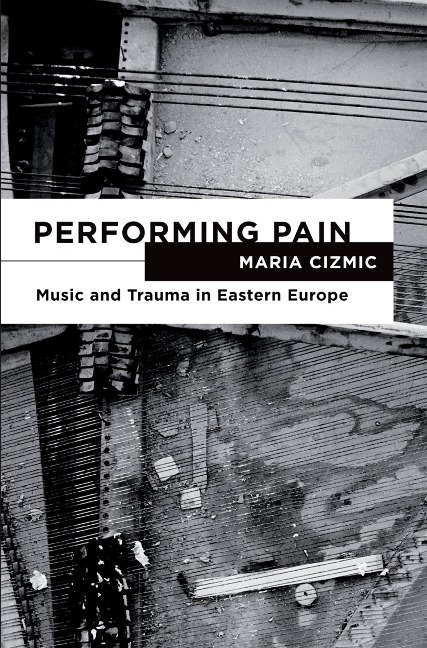
Time after time, people turn to music when coping with traumatic life events. Music can help process emotions, interpret memories, and create a sense of collective identity. In Performing Pain, author Maria Cizmic focuses on the late 20th century in Eastern Europe as she uncovers music's relationships to trauma and grief. The 1970s and 1980s witnessed a cultural preoccupation in this region with the meanings of historical suffering, particularly surrounding the Second World War and the Stalinist era. Journalists, historians, writers, artists, and filmmakers frequently negotiated themes related to pain and memory, truth and history, morality and spirituality during glasnost and the years leading up to it. Performing Pain considers how works by composers Alfred Schnittke, Galina Ustvolskaya, Arvo Pärt, and Henryk Górecki musically address contemporary concerns regarding history and suffering through composition, performance, and reception. Taking theoretical cues from psychology, sociology, and literary and cultural studies, Cizmic offers a set of hermeneutic essays that demonstrate the ways in which people employ music in order to make sense of historical traumas and losses. Seemingly postmodern compositional choices--such as quotation, fragmentation, and stasis--create musical analogies to psychological and emotional responses to trauma and grief, and the physical realities of their embodied performance focus attention on the ethics of pain and representation. Furthermore, as film music, these works participate in contemporary debates regarding memory and trauma. A comprehensive and innovative study, Performing Pain will fascinate scholars interested in the music of Eastern Europe and in aesthetic articulations of suffering.
Maria Cizmic is Assistant Professor of Humanities at the University of South Florida.
Table of Contents
Note on Transliteration and Translation About the Companion Website
Introduction Musical Ways of Bearing Witness
Chapter 1 Music of Disruption: Collage and Fragmentation as an Expression of Trauma in Alfred Schnittke's Concerto for Piano and Strings
Chapter 2 Hammering Hands: Galina Ustvolskaya's Piano Sonata No. 6 and a Hermeneutic of Pain
Chapter 3 Witnessing History during Glasnost: Arvo Pärt's Tabula Rasa as Musical Testimony in Tengiz Abuladze's Repentance
Chapter 4 Music, Mourning, and War: Górecki's Third Symphony and the Politics of Remembering
Epilogue
Bibliography
Notes Index