Und dann auf "Zum Home-Bildschirm [+]".

Stöbern
genialokal zum Startbildschirm hinzufügen
Installieren Sie die genialokal App auf Ihrem Startbildschirm für einen schnellen Zugriff und eine komfortable Nutzung.
Installieren Sie die genialokal App auf Ihrem Startbildschirm für einen schnellen Zugriff und eine komfortable Nutzung.
Ihr gewünschter Artikel ist in 0 Buchhandlungen vorrätig - wählen Sie hier eine Buchhandlung in Ihrer Nähe aus:

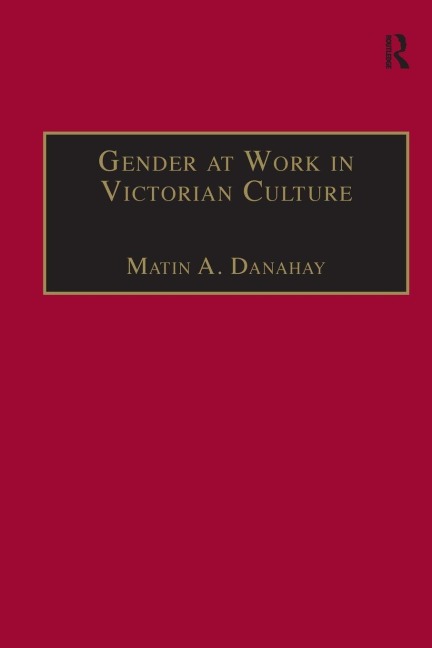

Martin A. Danahay's lucidly argued and accessibly written volume is an important contribution to our understanding of the complex issues surrounding the definition and division of labor in British culture. Danahay analyzes novels, nonfiction prose, poetry, and paintings by Dickens, Carlyle, Ruskin, Morris, Thomas Hood, Richard Redgrave, William Bell Scott, and Ford Madox Brown, as well as photographs from the Munby Collection, to examine the ideological contradictions in Victorian representations of men at work.
Martin A. Danahay is Professor of English at Brock University and writes on Victorian culture, autobiography and the impact of new technologies on society. Working at the intersection of literature, art, and social history, his articles have addressed topics from the representation of music hall by Walter Sickert to the poetry and paintings of Dante Gabriel as "virtual" subjects. He has also published analyses of such contemporary popular culture artifacts as the Matrix films and the autobiography of Kathie Lee Gifford. These publications are united by an attention to "cultural production" in its all its manifestations, ranging from poetry to photography. His book-length publications include A Community of One: Masculine Autobiography and Autonomy in Nineteenth Century Britain and editions of Robert Louis Stevenson's The Strange Case of Dr. Jekyll and Mr. Hyde and H. G. Wells's The War of the Worlds.
Contents: Introduction: working definitions; Victorian work and industry; Gendering work in the 1840s; Dickens, work and sexuality; Ford Madox Brown and the division of labor; Perversity at work: Munby and Cullwick; John Ruskin, digging; Gissing and the demise of the man at work; Conclusion: new women, new technologies and new work; Works Cited; Index.