Und dann auf "Zum Home-Bildschirm [+]".

Stöbern
genialokal zum Startbildschirm hinzufügen
Installieren Sie die genialokal App auf Ihrem Startbildschirm für einen schnellen Zugriff und eine komfortable Nutzung.
Installieren Sie die genialokal App auf Ihrem Startbildschirm für einen schnellen Zugriff und eine komfortable Nutzung.


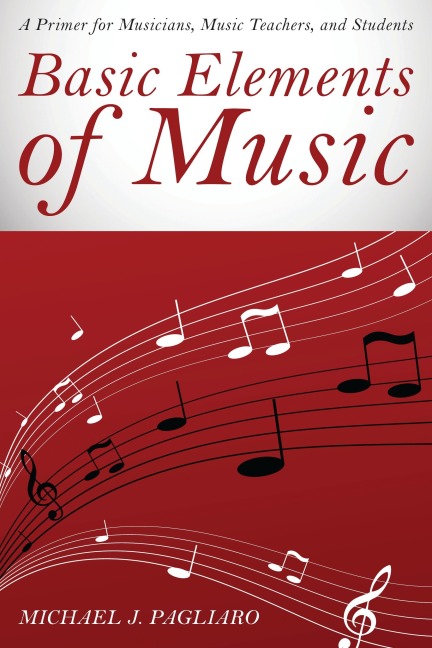
Basic Elements of Music introduces readers to a wide range of knowledge essential for a well-rounded understanding of music. This primer surveys the history of music and the composers who made that history; the history of instrument families and how the instruments function; an introduction to the science of sound and sound production; the various types of ensembles; and the fundamentals of music theory, form in music, musical notation, and music vocabulary.
Accessible, yet detailed and comprehensive, Michael Pagliaro's handbook is an excellent guide for music lovers, instructors, and students in any music program. As an introduction to music for the layman, a refresher for music teachers planning lessons, or an enrichment source for professional musicians seeking broader music knowledge, this book is an invaluable addition to any library.
Michael J. Pagliaro has served as professor of instrumental music and musical instrument technology. He is founder and CEO emeritus-in-counsel of Ardsley Musical Instrument Service, Ltd., director of research and development for Contemporary Music Laboratories, and author of Everything You Should Know about Musical Instruments (1992), The Violin: How It Works (2002), The Flute: How It Works (2003), The Violin Workbook (2004), The Musical Instrument DeskReference (2012), The String Instrument Owner's Handbook (2015), and The Brass Instrument Owner's Handbook (forthcoming 2016).
Chapter 1: An Overview of the History of Music
Chapter 2: Sound Production
Chapter 3: Non-fretted String Instruments Defined
Chapter 4: The History of Non-fretted String Instruments
Chapter 5: How Non-fretted Instruments Work
Chapter 6: Brass Instruments Defined
Chapter 7: The History of Brass Instruments
Chapter 8: How Brass Instruments Work
Chapter 9: Woodwind Instruments Defined
Chapter 10: The History of Woodwind Instruments
Chapter 11: How Woodwind Instrument Work
Chapter 12: Percussion Instruments Defined
Chapter 13: The History of Percussion Instruments
Chapter 14: How Percussion Instruments Work
Chapter 15: Form in Music
Chapter 16: Music Theory
Chapter 17: Ensembles
Chapter 18: Anatomy of an Opera
Chapter 19: The Role of the Conductor
Dieses eBook wird im PDF-Format geliefert und ist mit einem Adobe Kopierschutz (DRM) versehen. Sie können dieses eBook mit allen Geräten lesen, die das PDF-Format und den Adobe Kopierschutz (DRM) unterstützen.
Zum Beispiel mit den folgenden Geräten:
• tolino Reader
Laden Sie das eBook direkt über den Reader-Shop auf dem tolino herunter oder übertragen Sie das eBook auf Ihren tolino mit einer kostenlosen Software wie beispielsweise Adobe Digital Editions.
• Sony Reader & andere eBook Reader
Laden Sie das eBook direkt über den Reader-Shop herunter oder übertragen Sie das eBook mit der kostenlosen Software Sony READER FOR PC/Mac oder Adobe Digital Editions auf ein Standard-Lesegeräte mit epub- und Adobe DRM-Unterstützung.
• Tablets & Smartphones
Möchten Sie dieses eBook auf Ihrem Smartphone oder Tablet lesen, finden Sie hier unsere kostenlose Lese-App für iPhone/iPad und Android Smartphone/Tablets.
• PC & Mac
Lesen Sie das eBook direkt nach dem Herunterladen mit einer kostenlosen Lesesoftware, beispielsweise Adobe Digital Editions, Sony READER FOR PC/Mac oder direkt über Ihre eBook-Bibliothek in Ihrem Konto unter „Meine eBooks“ - „online lesen“.
Schalten Sie das eBook mit Ihrer persönlichen Adobe ID auf bis zu sechs Geräten gleichzeitig frei.
Bitte beachten Sie, dass die Kindle-Geräte das Format nicht unterstützen und dieses eBook somit nicht auf Kindle-Geräten lesbar ist.