Und dann auf "Zum Home-Bildschirm [+]".

Stöbern
genialokal zum Startbildschirm hinzufügen
Installieren Sie die genialokal App auf Ihrem Startbildschirm für einen schnellen Zugriff und eine komfortable Nutzung.
Installieren Sie die genialokal App auf Ihrem Startbildschirm für einen schnellen Zugriff und eine komfortable Nutzung.
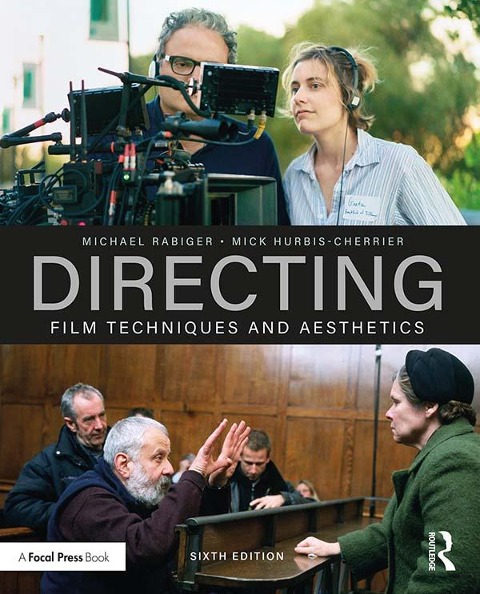
Directing: Film Techniques and Aesthetics is a comprehensive exploration into the art and craft of directing for film and television. It's filled with practical advice, essential technical information, and inspiring case studies for every stage of production. This book covers the methods, technologies, thought processes, and judgments that a director must use throughout the fascinating process of making a film, and concentrates on developing the human aspects of cinema to connect with audiences. The fully revised and updated 6th edition features new sections on using improvisation, the development of characters for long form television series, visual design, the role of the digital imaging technician, film promotion and distribution, alongside expanded information on contemporary color grading tools, stylistic approaches and genre, workflows, blocking scenes for the camera and more. The book emphasizes independent and short form cinema which allows cutting-edge creativity and professionalism on shoestring budgets. Recognizing that you learn best by doing, it includes dozens of practical hands-on projects and activities to help you master technical and conceptual skills. Just as important as surmounting technological hurdles is the conceptual and authorial side of filmmaking. This book provides an unusually clear view of the artistic process, particularly in working with actors and principle crew members. It offers eminently practical tools and exercises to help you develop your artistic identity, find credible and compelling stories, choose and work with your cast and hone your narrative skills. Directing shows you how to surpass mere technical proficiency and become a storyteller with a distinctive voice and style. The accompanying companion website includes film analysis exercises, shooting projects, checklists and assignment forms, analytical questionnaires, updated production forms and logs for all phases of a project with links to additional resources and set safety advice.
Michael Rabiger has directed or edited over 35 films, was a founding faculty member and then Chair of the Film/Video Department at Columbia College Chicago, and has given workshops in over 23 countries. He is an Honorary Professor at Buenos Aires University, and a Fulbright Specialist. Rabiger is also the author of Developing Story Ideas and the enormously successful Directing the Documentary, both for Routledge/Focal Press. Mick Hurbis-Cherrier teaches filmmaking at Hunter College in New York City. Professionally, he has worked as a screenwriter, director, cinematographer, and editor, and his films have garnered prizes at numerous festivals. He is the author of Voice & Vision: A Creative Approach to Filmmaking (Routledge/Focal Press), in its third edition.
CONTENTS Introduction PART 1: THE DIRECTOR AND ARTISTIC IDENTITY 1 THE WORLD OF THE FILM DIRECTOR 2 DEVELOPING AS A DIRECTOR PART 2: THE STORY AND ITS DEVELOPMENT 3 ESSENTIAL ELEMENTS OF DRAMA 4 SHAPING THE STORY INTO DRAMA 5 PLOT, TIME, AND STRUCTURE PART 3: THE DIRECTOR AND THE SCRIPT 6 SCREENPLAY GROUND RULES 7 RECOGNIZING THE SUPERIOR SCREENPLAY 8 SCRIPT ANALYSIS AND DEVELOPMENT PART 4: AUTHORSHIP AND AESTHETICS 9 CINEMATIC POINT OF VIEW 10 FORM AND STYLE 11 TONE, STYLE AND GENRE PART 5: A DIRECTOR'S SCREEN GRAMMAR 12 FILM LANGUAGE 13 THE FRAME AND THE SHOT 14 THE MOVING CAMERA 15 LANGUAGE OF THE EDIT 16 THE HUMAN VANTAGE OF CINEMATIC LANGUAGE PART 6: PREPRODUCTION 17 EXPLORING THE SCRIPT 18 CASTING 19 ACTING FUNDAMENTALS 227 20 DIRECTING ACTORS 21 REHEARSALS 22 ACTING EXERCISE 23 PLANNING THE VISUAL DESIGN 24 DEVELOPING THE SHOOTING SCRIPT 25 LINE PRODUCING AND LOGISTICS PART 7: PRODUCTION 26 DEVELOPING A PRODUCTION CREW 27 THE DIRECTOR AND PRODUCTION TECH 28 ON SET: PRODUCTION BEGINS 29 DIRECTING ON THE SET 30 MONITORING CONTINUITY AND PROGRESS PART 8: POSTPRODUCTION 31 POSTPRODUCTION OVERVIEW 32 EDITING BEGINS: GETTING TO KNOW THE FOOTAGE 33 THE ROUGH CUT 34 GETTING TO FINE CUT AND PICTURE LOCK 35 WORKING WITH MUSIC 36 THE FINISHING TOUCHES 37 GETTING IT OUT THERE Filmography Photograph and Illustration Acknowledgements Index
Dieses eBook wird im PDF-Format geliefert und ist mit einem Adobe Kopierschutz (DRM) versehen. Sie können dieses eBook mit allen Geräten lesen, die das PDF-Format und den Adobe Kopierschutz (DRM) unterstützen.
Zum Beispiel mit den folgenden Geräten:
• tolino Reader
Laden Sie das eBook direkt über den Reader-Shop auf dem tolino herunter oder übertragen Sie das eBook auf Ihren tolino mit einer kostenlosen Software wie beispielsweise Adobe Digital Editions.
• Sony Reader & andere eBook Reader
Laden Sie das eBook direkt über den Reader-Shop herunter oder übertragen Sie das eBook mit der kostenlosen Software Sony READER FOR PC/Mac oder Adobe Digital Editions auf ein Standard-Lesegeräte mit epub- und Adobe DRM-Unterstützung.
• Tablets & Smartphones
Möchten Sie dieses eBook auf Ihrem Smartphone oder Tablet lesen, finden Sie hier unsere kostenlose Lese-App für iPhone/iPad und Android Smartphone/Tablets.
• PC & Mac
Lesen Sie das eBook direkt nach dem Herunterladen mit einer kostenlosen Lesesoftware, beispielsweise Adobe Digital Editions, Sony READER FOR PC/Mac oder direkt über Ihre eBook-Bibliothek in Ihrem Konto unter „Meine eBooks“ - „online lesen“.
Schalten Sie das eBook mit Ihrer persönlichen Adobe ID auf bis zu sechs Geräten gleichzeitig frei.
Bitte beachten Sie, dass die Kindle-Geräte das Format nicht unterstützen und dieses eBook somit nicht auf Kindle-Geräten lesbar ist.