Und dann auf "Zum Home-Bildschirm [+]".

Stöbern
genialokal zum Startbildschirm hinzufügen
Installieren Sie die genialokal App auf Ihrem Startbildschirm für einen schnellen Zugriff und eine komfortable Nutzung.
Installieren Sie die genialokal App auf Ihrem Startbildschirm für einen schnellen Zugriff und eine komfortable Nutzung.
Ihr gewünschter Artikel ist in 0 Buchhandlungen vorrätig - wählen Sie hier eine Buchhandlung in Ihrer Nähe aus:

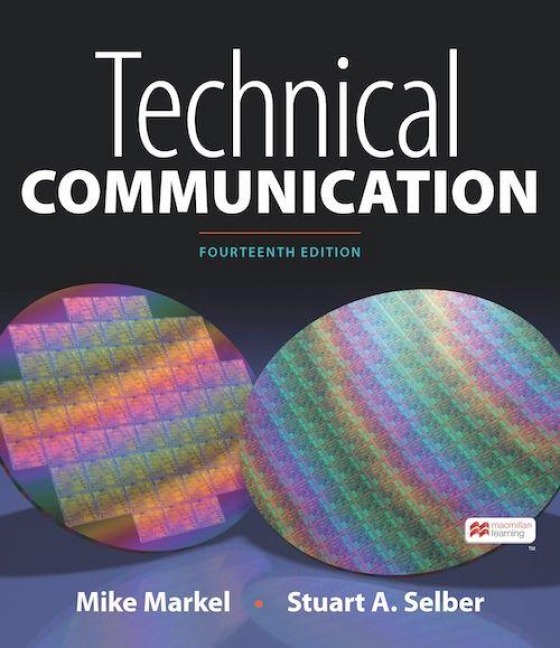
Markel's Technical Communication prepares students for the transition from writing in college to writing in the workplace. It details clear and practical advice with real-world scenarios to equip students with the necessary skills to enter the job market.
Mike Markel; Stuart Selber
Part 1 Understanding the Technical Communication Environment 1. Introduction to Technical Communication - What Is Technical Communication? - Why Technical Communication Skills Are Important in Your Career - The Challenges of Producing Technical Communication - Characteristics of a Technical Document - Skills and Qualities Shared by Successful Workplace Communicators - Exercises 2. Understanding Ethical and Legal Considerations - A Brief Introduction to Ethics - Your Ethical Obligations - Obligations to Your Employer - Obligations to the Public - Obligations to the Environment - Your Legal Obligations - The Role of Corporate Culture in Ethical and Legal Conduct - Understanding Ethical and Legal Issues Related to Social Media - Communicating Ethically Across Cultures - Communicating with Cultures with Different Ethical Beliefs - Communicating in Countries with Different Laws - Principles for Ethical Communication - Abide by Relevant Laws - Abide by the Appropriate Professional Code of Conduct - Abide by Your Organization's Policy on Social Media - Take Advantage of Your Employer's Ethics Resources - Tell the Truth - Don't Mislead Your Readers - Use Design to Highlight Important Ethical and Legal Information - Be Clear - Avoid Discriminatory Language - Acknowledge Assistance from Others - Writer's Checklist - Exercises 3. Writing Technical Documents - Planning - Generating Ideas About Your Subject - Researching Additional Information - Devising a Schedule and a Budget - Drafting - Using Templates - Revising - Studying the Draft by Yourself - Seeking Help from Technology - Editing - Proofreading - Writer's Checklist - Exercises 4. Writing Collaboratively - Advantages and Disadvantages of Collaboration - Advantages of Collaboration - Disadvantages of Collaboration - Managing Projects - Conducting Meetings - Listening Effectively - Setting Your Team's Agenda - Conducting Efficient Meetings - Communicating Diplomatically - Critiquing a Team Member's Work - Using Electronic Tools in Collaboration - Word-Processing Tools - Messaging Tools - Videoconferencing Tools - Wikis and Shared Document Workspaces - Crowdsourcing Platforms - Gender and Collaboration - Culture and Collaboration - Writer's Checklist - Exercises Part 2 Planning the Document 5. Analyzing Your Audience and Purpose - Understanding Audience and Purpose - Using an Audience Profile Sheet - Determining the Important Characteristics of Your Audience - Who Are Your Readers? - Why Is Your Audience Reading Your Document? - What Are Your Readers' Attitudes and Expectations? - How Will Your Readers Use Your Document? - Techniques for Learning About Your Audience - Determining What You Already Know About Your Audience - Interviewing People - Reading About Your Audience Online - Searching Social Media - Analyzing Social-Media Data - Using Artificial Intelligence Tools - Communicating Across Cultures - Understanding Cultural Variables "on the Surface" - Understanding Cultural Variables "Beneath the Surface" - Considering Cultural Variables as You Write - Using Graphics and Design for Multicultural Readers - Applying What You Have Learned About Your Audience - Writing for Multiple Audiences - Determining Your Purpose - Gaining Management's Approval - Revising Information for a New Audience and Purpose - Writer's Checklist - Exercises 6. Researching Your Subject - Understanding the Research Process - Choosing Appropriate Research Methods - Conducting Secondary Research - Understanding Research Tools - Types of Secondary Research Sources - Using Social Media and Other Interactive Resources - Using AI Chatbots - Evaluating the Information - Conducting Primary Research - Analysis of Social-Media Data - Observations and Demonstrations - Inspections - Experiments - Field Research - Interviews - Inquiries - Questionnaires - Writer's Checklist - Exercises 7. Organizing Your Information - Understanding Three Principles for Organizing Technical Information - Analyzing Your Audience and Purpose - Using Conventional Patterns of Organization - Displaying Your Organizational Pattern Prominently - Understanding Conventional Organizational Patterns - Chronological - Spatial - More Important to Less Important - Comparison and Contrast - Problem-Methods-Solution - Cause and Effect - Writer's Checklist - Exercises Part 3 Developing and Testing the Verbal and Visual Information 8. Communicating Persuasively - Considering the Context of Your Argument - Understanding Your Audience's Broader Goals - Working Within Constraints - Crafting a Persuasive Argument - Identifying the Elements of Your Argument - Considering Opposing Viewpoints - Using the Right Kinds of Evidence - Using visuals as persuasive elements - Appealing to Emotions Responsibly - Deciding Where to Present the Claim - Understanding the Role of Culture in Persuasion - Avoiding Logical Fallacies - Presenting Yourself Effectively - Writer's Checklist - Exercises 9. Emphasizing Important Information - Writing Clear, Informative Titles - Writing Clear, Informative Headings - Writing Clear, Informative Lists - Write Effective Paragraph Lists - Write Effective Sentence Lists - Writing Clear, Informative Paragraphs - Structure Paragraphs Clearly - Use Coherence Devices Within and Between Paragraphs - Writer's Checklist - Exercises 10. Writing Correct and Effective Sentences - Writing Grammatically Correct Sentences - Avoid Sentence Fragments - Avoid Comma Splices - Avoid Run-on Sentences - Avoid Ambiguous Pronoun References - Compare Items Clearly - Use Adjectives Clearly - Maintain Subject-Verb Agreement - Maintain Pronoun-Antecedent Agreement - Use Tenses Correctly - Structuring Effective Sentences - Emphasize New and Important Information - Choose an Appropriate Sentence Length - Focus on the "Real" Subject - Focus on the "Real" Verb - Use Parallel Structure - Use Modifiers Effectively - Choosing the Right Words and Phrases - Select an Appropriate Level of Formality - Be Clear - Understanding Simplified English for Nonnative Speakers - Preparing Text for Translation - Writer's Checklist - Exercises 11. Designing Print and Digital Documents - Goals of Document Design - Understanding Design Principles - Planning Your Design - Analyze Your Audience and Purpose - Determine Your Resources - Designing Print Documents - Size - Paper - Bindings - NAVIGATIONAL AIDS - Designing Print Pages - Page Layout - Other Design Features - Designing Digital Documents - Use Design To Emphasize Important Information - Create Informative Headers and Footers - Help Readers Navigate the Document - Include Extra Features Your Readers Might Need - Help Readers Connect with Others - Designing Digital Pages - Aim for Simplicity - Writer's Checklist - Exercises 12. Creating Graphics - The Functions of Graphics - The Characteristics of an Effective Graphic - Understanding the Process of Creating Graphics - Planning Graphics - Producing Graphics - Revising Graphics - Citing Sources of Graphics - Using Color Effectively - Choosing the Appropriate Kind of Graphic - Illustrating Numerical Information - Illustrating Logical Relationships - Illustrating Process Descriptions and Instructions - Illustrating Visual and Spatial Characteristics - Creating Effective Graphics for Multicultural Readers - Writer's Checklist - Exercises 13. Evaluating and Testing Technical Documents - Understanding Usability Studies - Assessing the need for a Usability Study - Determining the Goals of the Study - Studying Existing Documents Versus Prototypes - Considering Study Settings - Conducting Guided Evaluations of Technical Documents - Choosing Document Evaluators - Establishing Evaluation Guidelines - Preparing Materials for the Evaluation - Testing Documents in a Controlled Setting - Preparing for the Test - Conducting the Test - Testing Documents in Context - Preparing for a Site Visit - Conducting a Test in Context - Monitoring Documents Remotely - Interpreting and Reporting Your Findings - Writer's Checklist - Exercises Part 4 Learning Important Applications 14. Corresponding in Print and Online - Understanding the Process of Writing Correspondence - Selecting a Type of Correspondence - Presenting Yourself Effectively in Correspondence - Use the Appropriate Level of Formality - Communicate Correctly - Project the "You Attitude" - Avoid Correspondence Clichés - Communicate Honestly - Writing Letters - Elements of a Letter - Common Types of Letters - Writing Memos - Writing Emails - Writing Social-Media Posts - Writing Correspondence to Multicultural Readers - Writer's Checklist - Exercises 15. Applying for a Job - Understanding the Job-Application Process - Establishing Your Professional Brand - Finding the Right Position - Planning The Job Search - Understanding Job-Search Strategies - Writing Résumés - Considering Nontraditional Résumés - Writing Job-Application Letters - Preparing for a Job Interview - Following Up After an Interview - Writer's Checklist - Exercises 16. Writing Proposals - Understanding the Process of Writing Proposals - The Logistics of Proposals - The "Deliverables" of Proposals - Persuasion and Proposals - Writing a Proposal - The Structure of the Proposal - Sample Internal Proposal - Writer's Checklist - Exercises 17. Writing Informational Reports - Understanding the Process of Writing Informational Reports - Sample Progress Report - Writing Incident Reports - Writing Meeting Minutes - Writer's Checklist - Exercises 18. Writing Recommendation Reports - Understanding the Role of Recommendation Reports - Using a Problem-Solving Model for Preparing Recommendation Reports - Writing Recommendation Reports - Sample Recommendation Report - Writer's Checklist - Exercises 19. Writing Lab Reports - Persuasion and Lab Reports - Understanding the Process of Writing Lab Reports - Understanding the Structure of the Lab Report - Understanding the Role of Science and Engineering Articles - Sample Lab Report - Writer's Checklist - Exercises 20 Writing Definitions, Descriptions, and Instructions - Writing Definitions - Analyzing the Writing Situation for Definitions - Determining the Kind of Definition To Write - Deciding Where To Place the Definition - Writing Descriptions - Analyzing the Writing Situation for Descriptions - Indicating Clearly the Nature and Scope of the Description - Introducing the Description Clearly - Providing Appropriate Detail - Ending the Description with a Brief Conclusion - A Look at Several Sample Descriptions - Writing Instructions - Understanding the Role of Instructional Videos - Designing a Set of Written Instructions - Revising, Editing, and Proofreading Instructions - A Look at Several Sample Sets of Instructions - Writing Manuals - Writer's Checklist - Exercises 21 Making Oral Presentations - Understanding the Role of Oral Presentations - Understanding the Process of Preparing and Delivering an Oral Presentation - Preparing the Presentation - Analyzing the Speaking Situation - Organizing and Developing the Presentation - Preparing Presentation Graphics - Choosing Effective Language - Rehearsing the Presentation - Delivering the Presentation - Calming Your Nerves - Using Your Voice Effectively - Using Your Body Effectively - Answering Questions After a Presentation - Sample Evaluation Form - Speaker's Checklist - Exercises APPENDIX Reference Handbook - A Skimming Your Sources and Taking Notes - Paraphrasing - B Documenting Your Sources - APA Style - IEEE Style - MLA Style - C Editing and Proofreading Your Documents - Punctuation - D Guidelines for Multilingual Writers (ESL) - Cultural and Stylistic Communication Issues