Und dann auf "Zum Home-Bildschirm [+]".

Stöbern
genialokal zum Startbildschirm hinzufügen
Installieren Sie die genialokal App auf Ihrem Startbildschirm für einen schnellen Zugriff und eine komfortable Nutzung.
Installieren Sie die genialokal App auf Ihrem Startbildschirm für einen schnellen Zugriff und eine komfortable Nutzung.
Ihr gewünschter Artikel ist in 0 Buchhandlungen vorrätig - wählen Sie hier eine Buchhandlung in Ihrer Nähe aus:

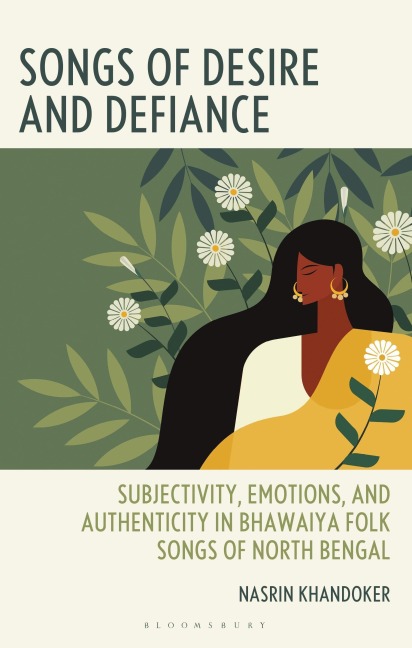
Explore the desires and defiance of women through the haunting lyrics of Bhawaiya folk songs, a musical tradition of Bengal.
Bhawaiya and other Bangla folk traditions endure without conforming to dominant expectations, and they sustain deviant, defiant voices that resist cultural homogenization. By weaving together history, performance, emotion, and politics, this book highlights the transformative power of folk music to unsettle identity and create new possibilities of sexual subjectivity in South Asia. It explores how cultural forms embody, negotiate, and subvert constructions of identity, looking at lyrics and performances that historically embody female sexual subjectivity and defiant emotions while considering the debate around authenticity between nationalist, corporate, and Islamist interests. With in-depth ethnographic storytelling that connects colonial and postcolonial histories and contemporary politics, it traces how Bhawaiya creates spaces for alternative voices that resist dominant narratives of national, religious and gender identities.
Nasrin Khandoker holds a Government of Ireland Postdoctoral Fellowship for her research project at University College Cork, Ireland, and previously received a Wenner-Gren Wadsworth Fellowship for her doctoral work. Sheis a Bangladeshi feminist anthropologist who specialises in gender studies, ethnomusicology, cultural resistance, social movements, emotions, embodiment, and the social studies of science and technology. She writes extensively for both academic audiences and the public on these issues. Her research uniquely combines anthropology, ethnomusicology, and gender studies, emphasizing the intersections of emotion, borders, and technology.
Acknowledgements Introduction 1. Identities and Bhawaiya in Their Subversive Margins 2. Subjectivity of Deviant, Defiant and Dangerous Women 3. Becoming the Woman of Bhawiaya 4. Negotiating Authentic Subject Conclusion Bibliography Index