Und dann auf "Zum Home-Bildschirm [+]".

Stöbern
genialokal zum Startbildschirm hinzufügen
Installieren Sie die genialokal App auf Ihrem Startbildschirm für einen schnellen Zugriff und eine komfortable Nutzung.
Installieren Sie die genialokal App auf Ihrem Startbildschirm für einen schnellen Zugriff und eine komfortable Nutzung.


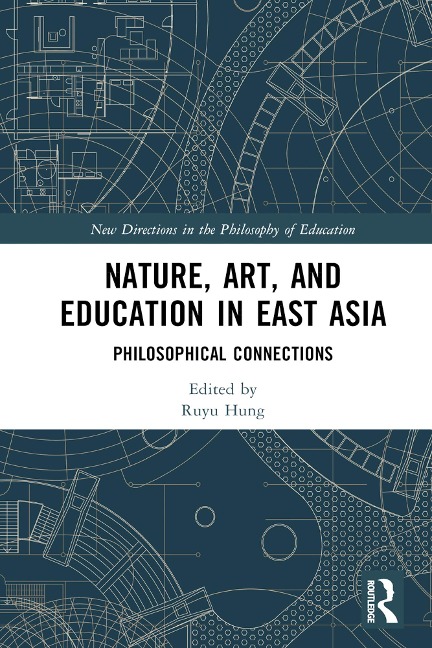
This volume explores the deeply interwoven connection of education, art and nature in the context of East Asia. With contributions from authors in South Korea, Japan and Taiwan, the book considers unnoticed but significant themes involved in the interplay of nature, art, and education. It manifests how nature and art can educate, and how education and nature play the role of art. The chapters explore a range of themes relevant to East Asian characteristics, including skill acquisition, Japanese calendar arts and ritual of feelings, garden architecture, the ritualised body, collaborative poetry art, translational language between humans and nature, the Confucian classical Six Arts, the artistic embodiment of the Kyoto School, and the heritage art based education in Korea. The authors examine these themes in novel ways to bring to light the relevance of the East Asian insights to the contemporary global world. This book is an outstanding resource to all researchers, scholars, and students interested in educational aesthetics, philosophy of education, East Asian studies, comparative education and intercultural education.
Ruyu Hung is Distinguished Professor in the Department of Education, National Chiayi University, Taiwan.
1. Zhuangzi's Edu-Dào and Dàoful Well-being: Cook Ding and other Craftsmen Revisited 2. Calendar Arts and the Ritual of Feeling 3. The Katsura Imperial Villa and the Educational Function of Japanese Garden Architecture 4. Arts Education for a Translational Experience from Language of Nature into Language of Man: Walter Benjamin's Theory of Mimesis and Traditional Ink-wash Painting in East Asia 5. From Co-operation to Co-creation: Renga (--), Renku (--), Renshi (--), and the Possibility of the 'Inoperative Community' 6. The Vision of Nature and Human Beings in Kinji Imanishi's The World of Living Things: An Anthropological Study of Human Approach to the Environment 7. Sojourning in the Arts: Considering the Implications of the Confucian "Six Arts" in a Contemporary Educational Context 8. Communication through Art: A Perspective on the Embodiment Theory of the Kyoto School 9. Project HANA: Working with Korean Heritage Art in a Museum-School Partnership
Dieses eBook wird im PDF-Format geliefert und ist mit einem Adobe Kopierschutz (DRM) versehen. Sie können dieses eBook mit allen Geräten lesen, die das PDF-Format und den Adobe Kopierschutz (DRM) unterstützen.
Zum Beispiel mit den folgenden Geräten:
• tolino Reader
Laden Sie das eBook direkt über den Reader-Shop auf dem tolino herunter oder übertragen Sie das eBook auf Ihren tolino mit einer kostenlosen Software wie beispielsweise Adobe Digital Editions.
• Sony Reader & andere eBook Reader
Laden Sie das eBook direkt über den Reader-Shop herunter oder übertragen Sie das eBook mit der kostenlosen Software Sony READER FOR PC/Mac oder Adobe Digital Editions auf ein Standard-Lesegeräte mit epub- und Adobe DRM-Unterstützung.
• Tablets & Smartphones
Möchten Sie dieses eBook auf Ihrem Smartphone oder Tablet lesen, finden Sie hier unsere kostenlose Lese-App für iPhone/iPad und Android Smartphone/Tablets.
• PC & Mac
Lesen Sie das eBook direkt nach dem Herunterladen mit einer kostenlosen Lesesoftware, beispielsweise Adobe Digital Editions, Sony READER FOR PC/Mac oder direkt über Ihre eBook-Bibliothek in Ihrem Konto unter „Meine eBooks“ - „online lesen“.
Schalten Sie das eBook mit Ihrer persönlichen Adobe ID auf bis zu sechs Geräten gleichzeitig frei.
Bitte beachten Sie, dass die Kindle-Geräte das Format nicht unterstützen und dieses eBook somit nicht auf Kindle-Geräten lesbar ist.