Und dann auf "Zum Home-Bildschirm [+]".

Stöbern
genialokal zum Startbildschirm hinzufügen
Installieren Sie die genialokal App auf Ihrem Startbildschirm für einen schnellen Zugriff und eine komfortable Nutzung.
Installieren Sie die genialokal App auf Ihrem Startbildschirm für einen schnellen Zugriff und eine komfortable Nutzung.

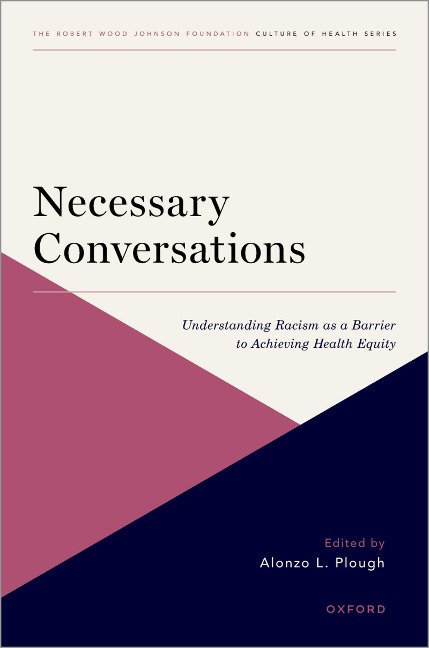
This is an open access title available under the terms of a CC BY-NC-ND 4.0 International license. It is free to read at Oxford Scholarship Online and offered as a free PDF download from OUP and selected open access locations. Necessary Conversations: Understanding Racism as a Barrier to Achieving Health Equity reflects the conviction that a true prioritization of health in our communities is impossible without a commitment to racial equity. Drawing on the pivotal social events of 2020 in America, it extends a powerful call to action based on a growing body of evidence that racism is the underlying cause of so many poor health outcomes. Contributors across health, education, law, and media further the longstanding work of the Robert Wood Johnson Foundation to create a "Culture of Health" by engaging in authentic discussions about the systems and structures that harm people of color and offering provocative ideas and strategies to inspire action. Necessary Conversations ultimately highlights the importance of building leadership and partnerships through those who are most affected in the community. It considers what it would take to overhaul institutions that treat people differently on the basis of race and recognizes that we all must share resources and join together to support the advancement of health and racial equity.
Alonzo L. Plough, PhD, MPH, MA, is Chief Science Officer and Vice President of Research-Evaluation-Learning at the Robert Wood Johnson Foundation. Plough has had a distinguished career in public health practice, academia, and philanthropy. His work focuses on improving health and well-being, and achieving health equity. Plough serves as a board member for many health and social welfare organizations.
Introduction Prologue: Setting the Stage: The History, Struggle, and Strength of Mississippi Part I: How Racism Becomes a Structural Problem Chapter 1: Racial Hierarchy, Race Narrative, and the Structures that Sustain Them Chapter 2: Beyond the Black/White Binary: Confronting Invisibility and the Harms of "Othering" Chapter 3: Keeping it Real: Pathways to Authentic Connections Spotlight - Sharing Stories to Advance Racial Healing Part II: The Harms of Racial Injustice Chapter 4: Structural Racism in Black Maternal Healthcare Spotlight - Partnering to Improve Outcomes for Postpartum Women Chapter 5: The Health Harms of Incarceration and Punishment Chapter 6: Immigrant Health: Inequity and Fear Spotlight - Creative Approaches to Support Immigrant Families Chapter 7: Climate Crisis, Environmental Justice, and Racial Justice Part III: Strategies to Advance Racial Equity Chapter 8: Learning the Lessons of History Spotlight - Youth Changing the Narrative on Health Chapter 9: Fair Housing, Equitable Communities Spotlight - Creating a Healthy, Livable Community Chapter 10: Transforming Research and Evaluation Spotlight - Racial Equity and Social Justice in City Health Department Practices Chapter 11: Racial Justice Through Civic Engagement: A Look at Voting and the Census Epilogue- RWJF Looks Toward the Future Spotlight - Building on Past Work to Seize a Moment