Und dann auf "Zum Home-Bildschirm [+]".

Stöbern
genialokal zum Startbildschirm hinzufügen
Installieren Sie die genialokal App auf Ihrem Startbildschirm für einen schnellen Zugriff und eine komfortable Nutzung.
Installieren Sie die genialokal App auf Ihrem Startbildschirm für einen schnellen Zugriff und eine komfortable Nutzung.

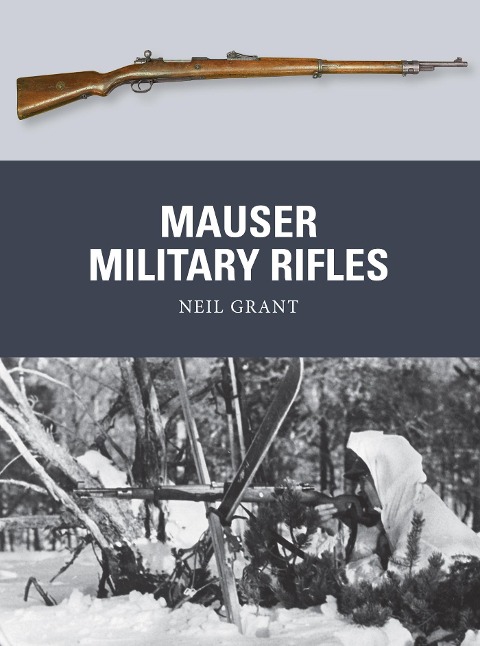
This volume offers an insight into the iconic Mauser family of German bolt-action rifles.
Drawing on first-hand accounts of the weapons in combat and primary sources regarding their mechanical performance, this fully illustrated study charts the Mauser's origins, combat record and lasting influence. It explores the full range of Mauser rifles, beginning with the hugely successful Gew 98, which entered service in the time of the Kaiser, provided the basis for the US Springfield M1903 and equipped combatants such as the South African Boers. It also investigates the Kar 98k, which was still in front-line use with Wehrmacht troops in 1945, saw use with Mexican and Yugoslavian forces, and even played a role in the 1990s Balkan conflicts in the hands of snipers.
Featuring expert analysis, specially commissioned artwork and gripping first-hand accounts, this volume is ideal for anyone seeking an understanding of these sturdy and accurate rifles' unique place in the history of small-unit tactics in the 20th century.
Neil Grant has a degree in archaeology and has worked for English Heritage and Historic England. The author of several Osprey books, Neil is a Trustee of the Royal Armouries and a committee member of the Ordnance Society.
Peter Dennis studied illustration at Liverpool Art College and has since contributed to hundreds of books, predominantly on historical subjects. Peter created the battlescene artwork for this volume.
Alan Gilliland is a writer, illustrator and publisher who has contributed to more than 70 Osprey titles. He won 19 awards over 19 years as the graphics editor of the Daily Telegraph. Alan completed the cutaway illustration for this book.
Introduction
Development: Forging a legend
Use: Facing the test of battle
Impact: The right arm of the German soldier
Conclusion
Bibliography
Index