Und dann auf "Zum Home-Bildschirm [+]".

Stöbern
genialokal zum Startbildschirm hinzufügen
Installieren Sie die genialokal App auf Ihrem Startbildschirm für einen schnellen Zugriff und eine komfortable Nutzung.
Installieren Sie die genialokal App auf Ihrem Startbildschirm für einen schnellen Zugriff und eine komfortable Nutzung.
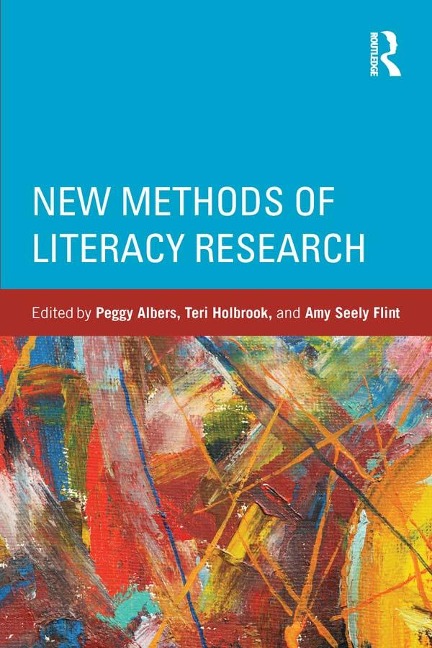
Literacy researchers at all stages of their careers are designing and developing innovative new methods for analyzing data in a range of spaces in and out of school. Directly connected with evolving themes in literacy research, theory, instruction, and practices-especially in the areas of digital technologies, gaming, and web-based research; discourse analysis; and arts-based research-this much-needed text is the first to capture these new directions in one volume. Written by internationally recognized authorities whose work is situated in these methods, each chapter describes the origin of the method and its distinct characteristics; offers a demonstration of how to analyze data using the method; presents an exemplary study in which this method is used; and discusses the potential of the method to advance and extend literacy research. For literacy researchers asking how to match their work with current trends and for educators asking how to measure and document what is viewed as literacy within classrooms, this is THE text to help them learn about and use the rich range of new and emerging literacy research methods.
Peggy Albers is Professor of Language Education at Georgia State University, USA. Teri Holbrook is Assistant Professor of Literacy and Language Arts at Georgia State University, USA. Amy Seely Flint is Associate Professor of Language Education at Georgia State University, USA.
Preface: Shifting Times in Literacy Education: Teri Holbrook, Peggy Albers, and Amy Seely Flint Acknowledgements Part I: Methods in Discourse Analysis 1. Microethnographic Discourse Analysis: David Bloome and Stephanie Carter 2. Critical Discourse Analysis in Literacy Research: Rebecca Rogers 3. Temporal Discourse Analysis: Catherine Compton-Lilly 4. Mediated Discourse Analysis: Tracking Discourse in Action: Karen Wohlwend 5. Multimodal (Inter)action Analysis: Sigrid Norris 6. Visual Discourse Analysis: Peggy Albers Part II: Methods in Arts-based and Autoethnographic Research 7. Autoethnography: PS I Love You: Jodi Kaufmann 8. Texts, Affects, and Relations in Cultural Performance: An Embodied Analysis of Dramatic Inquiry: Carmen Medina and Mia Perry 9. Poetic Inquiry: Lorri Neilsen-Glenn 10. A/r/tography: Always in Process: Carl Leggo and Rita L. Irwin 11. Artifactual Literacies: Kate Pahl and Jennifer Rowsell 12. Geosemiotics: Sue Nichols Part III: Methods of Analysis in Digital Technologies, Gaming, and Web-based Research13. Researching Young Children's Literacy Practices in Online Virtual Worlds: Cyber-ethnography and Multi-method Approaches: Jackie Marsh 14. Video Games and Electronic Media: Catherine Beavis 15. Social Media as Authorship: Methods for Studying Literacies and Communities Online: Glynda Hull, Amy Stornaiuolo, and Jennifer Higgs 16. Analyzing Digital Texts as Literacy Artifacts: Vivian M. Vasquez List of Contributors Index
Dieses eBook wird im PDF-Format geliefert und ist mit einem Adobe Kopierschutz (DRM) versehen. Sie können dieses eBook mit allen Geräten lesen, die das PDF-Format und den Adobe Kopierschutz (DRM) unterstützen.
Zum Beispiel mit den folgenden Geräten:
• tolino Reader
Laden Sie das eBook direkt über den Reader-Shop auf dem tolino herunter oder übertragen Sie das eBook auf Ihren tolino mit einer kostenlosen Software wie beispielsweise Adobe Digital Editions.
• Sony Reader & andere eBook Reader
Laden Sie das eBook direkt über den Reader-Shop herunter oder übertragen Sie das eBook mit der kostenlosen Software Sony READER FOR PC/Mac oder Adobe Digital Editions auf ein Standard-Lesegeräte mit epub- und Adobe DRM-Unterstützung.
• Tablets & Smartphones
Möchten Sie dieses eBook auf Ihrem Smartphone oder Tablet lesen, finden Sie hier unsere kostenlose Lese-App für iPhone/iPad und Android Smartphone/Tablets.
• PC & Mac
Lesen Sie das eBook direkt nach dem Herunterladen mit einer kostenlosen Lesesoftware, beispielsweise Adobe Digital Editions, Sony READER FOR PC/Mac oder direkt über Ihre eBook-Bibliothek in Ihrem Konto unter „Meine eBooks“ - „online lesen“.
Schalten Sie das eBook mit Ihrer persönlichen Adobe ID auf bis zu sechs Geräten gleichzeitig frei.
Bitte beachten Sie, dass die Kindle-Geräte das Format nicht unterstützen und dieses eBook somit nicht auf Kindle-Geräten lesbar ist.