Und dann auf "Zum Home-Bildschirm [+]".

Stöbern
genialokal zum Startbildschirm hinzufügen
Installieren Sie die genialokal App auf Ihrem Startbildschirm für einen schnellen Zugriff und eine komfortable Nutzung.
Installieren Sie die genialokal App auf Ihrem Startbildschirm für einen schnellen Zugriff und eine komfortable Nutzung.
Ihr gewünschter Artikel ist in 0 Buchhandlungen vorrätig - wählen Sie hier eine Buchhandlung in Ihrer Nähe aus:

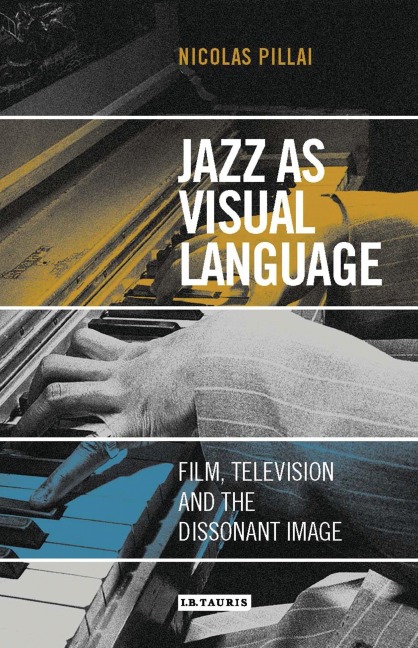
This book provides a timely analysis of the relationship between jazz and recording and broadcast technologies in the early twentieth century. Jazz histories have traditionally privileged qualities such as authenticity, naturalness and spontaneity, but to do so overlooks jazz's status as a modernist, mechanised art form that evolved alongside the moving image and visual cultures. Jazz as Visual Language shows that the moving image is crucial to our understanding of what the materiality of jazz really is. Focusing on Len Lye's direct animation, Gjon Mili's experimental footage of musicians performing and the BBC's Jazz 625 series, this book places emphasis on film and television that conveys the 'sound of surprise' through formal innovation, rather than narrative structure. Nicolas Pillai seeks to refine a critical vocabulary of jazz and visual culture whilst arguing that jazz was never just a new sound; it was also a new way of seeing the world.
Nicolas Pillai
1. Introduction 2. Len Lye 3. Gjon Mili 4. Jazz 625 Coda: Jazz in motion