Und dann auf "Zum Home-Bildschirm [+]".

Stöbern
genialokal zum Startbildschirm hinzufügen
Installieren Sie die genialokal App auf Ihrem Startbildschirm für einen schnellen Zugriff und eine komfortable Nutzung.
Installieren Sie die genialokal App auf Ihrem Startbildschirm für einen schnellen Zugriff und eine komfortable Nutzung.
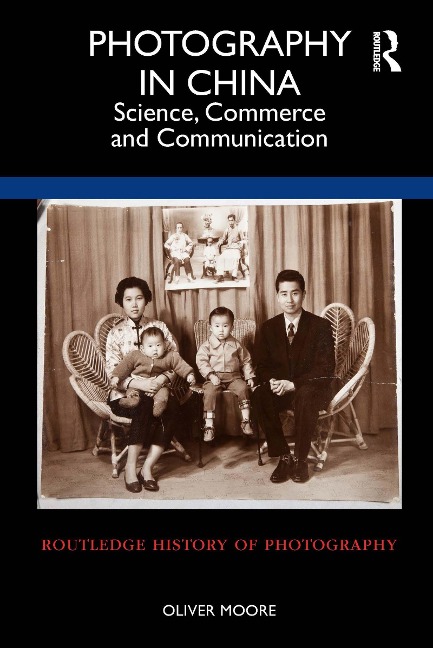
Emphasizing the medium's reception among several Chinese constituencies, this book explores photography's impact within new discourses on science, as well as its effects in social life, visual modernity and the media during China's transition from imperial to republican government. General knowledge and academic teaching of early modern Chinese visual culture stops short of fitting photography into the larger context of visual practices and theories. This study redraws the boundaries by making photography the central concern within changing priorities of visual representation and its functions during a period of major cultural and political change. No other study draws on such intimate familiarity with the early glamour of photography as science, commerce and communication in the various local conditions of China's cities and towns. Joining a body of critical writing that examines photography's histories outside the familiar confines of the West, this book looks beyond the tourist and imperialist gazes of photographer-adventurers from the Western powers and Japan. It defines instead the Chinese priorities of photographic vision that are abundantly evident in surviving photographs as well as in records as various as technical manuals and personal inscriptions. Local practices and local knowledge are the keys to explain the highly successful indigenization of a medium as globalizing as photography with reference to Chinese society's own terms and practices. This book will be of particular interest to scholars in art and visual culture, the history of photography and Asian art.
Oliver Moore is professor of Chinese language and culture at the University of Groningen in the Netherlands. His research focuses on early and modern art history in China.
Introduction. PART 1: Science 1. Methods of Invention 2. Terms of Description PART 2: COMMERCE 3. Sites of Production 4. Interiors of the Imagination PART 3: COMMUNICATION 5. Categories of Content 6. Circuits of Communication
Dieses eBook wird im PDF-Format geliefert und ist mit einem Adobe Kopierschutz (DRM) versehen. Sie können dieses eBook mit allen Geräten lesen, die das PDF-Format und den Adobe Kopierschutz (DRM) unterstützen.
Zum Beispiel mit den folgenden Geräten:
• tolino Reader
Laden Sie das eBook direkt über den Reader-Shop auf dem tolino herunter oder übertragen Sie das eBook auf Ihren tolino mit einer kostenlosen Software wie beispielsweise Adobe Digital Editions.
• Sony Reader & andere eBook Reader
Laden Sie das eBook direkt über den Reader-Shop herunter oder übertragen Sie das eBook mit der kostenlosen Software Sony READER FOR PC/Mac oder Adobe Digital Editions auf ein Standard-Lesegeräte mit epub- und Adobe DRM-Unterstützung.
• Tablets & Smartphones
Möchten Sie dieses eBook auf Ihrem Smartphone oder Tablet lesen, finden Sie hier unsere kostenlose Lese-App für iPhone/iPad und Android Smartphone/Tablets.
• PC & Mac
Lesen Sie das eBook direkt nach dem Herunterladen mit einer kostenlosen Lesesoftware, beispielsweise Adobe Digital Editions, Sony READER FOR PC/Mac oder direkt über Ihre eBook-Bibliothek in Ihrem Konto unter „Meine eBooks“ - „online lesen“.
Schalten Sie das eBook mit Ihrer persönlichen Adobe ID auf bis zu sechs Geräten gleichzeitig frei.
Bitte beachten Sie, dass die Kindle-Geräte das Format nicht unterstützen und dieses eBook somit nicht auf Kindle-Geräten lesbar ist.