Und dann auf "Zum Home-Bildschirm [+]".

Stöbern
genialokal zum Startbildschirm hinzufügen
Installieren Sie die genialokal App auf Ihrem Startbildschirm für einen schnellen Zugriff und eine komfortable Nutzung.
Installieren Sie die genialokal App auf Ihrem Startbildschirm für einen schnellen Zugriff und eine komfortable Nutzung.
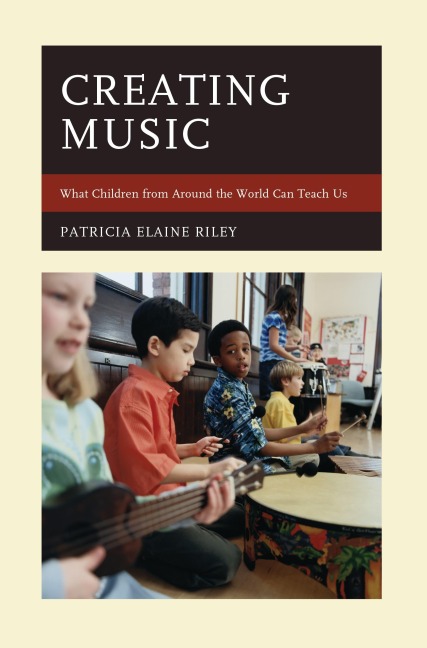
Children create music in individually unique ways, but also using common processes. Each creating process component stated in the United States' National Music Standards (imagine, plan and make, evaluate and refine, and present; NCCAS, 2014) is explored in this text using children's creations from China, India, Ireland, Mexico, and the United States as examples. What can the characteristics of music created by children from five diverse locations teach us about creating music? How do the sounds surrounding children in their schools, homes, and communities affect the music they create and what can be learned from this? How do children's similar creating processes inform how we teach music? These questions are investigated as the children's music compositions and improvisations are shared and examined. As this narrative unfolds, readers will become acquainted with the children, their original music, and what the children say about their music and its creation. What we learn from this exploration leads to teaching strategies, projects, lesson plans, and mentoring recommendations that will help music educators benefit from these particular children's creations.
Patricia Riley is an associate professor of music and the coordinator of the music education program at the University of Vermont in Burlington. Previously, she taught at the Crane School of Music, the State University of New York at Potsdam and Green Mountain College in Poultney; and instrumental, general, and choral music for twenty years in the public schools of New Jersey and Vermont.
Foreword-Peter Webster
Preface
Part I The Why and How of Children's Music Creation
Chapter 1: Creating Music is Important
Chapter 2: Understanding the Processes of Music Creation
Part II Exemplifying the Creating Process Components with Children's Compositionsand Improvisations From Around the World
Chapter 3: Meeting the Children and Their Surroundings
Chapter 4: Imagining Music
Chapter 5: Planning and Making Music
Chapter 6: Evaluating and Refining Music
Chapter 7: Presenting Music
Part III Facilitating Children's Creating
Chapter 8: Crafting Creating Opportunities
Chapter 9: Mentoring Student Creations
References
About the Author
Dieses eBook wird im PDF-Format geliefert und ist mit einem Adobe Kopierschutz (DRM) versehen. Sie können dieses eBook mit allen Geräten lesen, die das PDF-Format und den Adobe Kopierschutz (DRM) unterstützen.
Zum Beispiel mit den folgenden Geräten:
• tolino Reader
Laden Sie das eBook direkt über den Reader-Shop auf dem tolino herunter oder übertragen Sie das eBook auf Ihren tolino mit einer kostenlosen Software wie beispielsweise Adobe Digital Editions.
• Sony Reader & andere eBook Reader
Laden Sie das eBook direkt über den Reader-Shop herunter oder übertragen Sie das eBook mit der kostenlosen Software Sony READER FOR PC/Mac oder Adobe Digital Editions auf ein Standard-Lesegeräte mit epub- und Adobe DRM-Unterstützung.
• Tablets & Smartphones
Möchten Sie dieses eBook auf Ihrem Smartphone oder Tablet lesen, finden Sie hier unsere kostenlose Lese-App für iPhone/iPad und Android Smartphone/Tablets.
• PC & Mac
Lesen Sie das eBook direkt nach dem Herunterladen mit einer kostenlosen Lesesoftware, beispielsweise Adobe Digital Editions, Sony READER FOR PC/Mac oder direkt über Ihre eBook-Bibliothek in Ihrem Konto unter „Meine eBooks“ - „online lesen“.
Schalten Sie das eBook mit Ihrer persönlichen Adobe ID auf bis zu sechs Geräten gleichzeitig frei.
Bitte beachten Sie, dass die Kindle-Geräte das Format nicht unterstützen und dieses eBook somit nicht auf Kindle-Geräten lesbar ist.