Und dann auf "Zum Home-Bildschirm [+]".

Stöbern
genialokal zum Startbildschirm hinzufügen
Installieren Sie die genialokal App auf Ihrem Startbildschirm für einen schnellen Zugriff und eine komfortable Nutzung.
Installieren Sie die genialokal App auf Ihrem Startbildschirm für einen schnellen Zugriff und eine komfortable Nutzung.
Ihr gewünschter Artikel ist in 0 Buchhandlungen vorrätig - wählen Sie hier eine Buchhandlung in Ihrer Nähe aus:

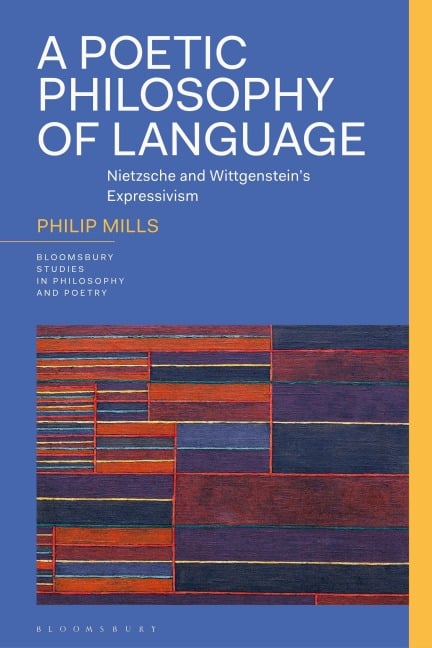
Connecting poetry and philosophy of language, Philip Mills bridges the continental and analytical divide by bringing together the writings of Nietzsche and Wittgenstein. Through an expressivist philosophy of poetry, he argues that we can understand some of the core questions in the philosophy of language. Mills highlights the continuity of poetic language with ordinary language, and positions Nietzsche and Wittgenstein's thinking as the clearest way to expand the philosophy of poetry. By tracing the expressivist tradition of philosophy of language, this study locates its roots in German Romanticism right through to the work of contemporary expressivists such as Huw Price and Robert Brandom. Where poetry has been difficult to grasp with the traditional philosophical tools used by aestheticians, A Poetic Philosophy of Language operates at the crossroads between philosophy of art and language, proposing a new philosophy of poetry with wide-ranging potentialities.
Philip Millsis a postdoctoral researcher in French Literature at the University of Lausanne, Switzerland.
A Tale of Two Divides: Towards a Philosophy of Poetry 1.Language, Representation, and Metaphysics 2.German Philosophy of Language as Romantic Expressivism 3.Pragmatic Expressivism: Brandom, Price, Blackburn 4.From Wittgenstein to Nietzsche and Back 5.Poetry After Nietzsche and Wittgenstein 6.Towards a Perspectival Poetics Conclusion: A Poetic Philosophy of Language Notes Bibliography Index