Und dann auf "Zum Home-Bildschirm [+]".

Stöbern
genialokal zum Startbildschirm hinzufügen
Installieren Sie die genialokal App auf Ihrem Startbildschirm für einen schnellen Zugriff und eine komfortable Nutzung.
Installieren Sie die genialokal App auf Ihrem Startbildschirm für einen schnellen Zugriff und eine komfortable Nutzung.
Ihr gewünschter Artikel ist in 0 Buchhandlungen vorrätig - wählen Sie hier eine Buchhandlung in Ihrer Nähe aus:

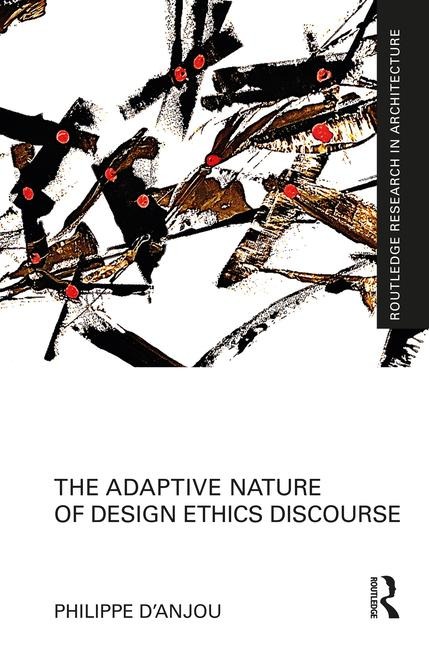
How do designers navigate the ethical discursive territories of design thinking and practice when the same common terms they consistently use across the different design ethics paradigms-like fair, right, good-convey different meanings? Delving into the dynamic and adaptable nature of ethical language and terminology in design, The Adaptive Nature of Design Ethics Discourse argues that it is intrinsically flexible-what can be described as chameleonic. Engaging in a meta-ethical investigation, this book elucidates the interconnections of key terms of design ethics discourse and explores the way in which different frameworks of design ethics both diverge and intersect. The book challenges existing perspectives on ethical discourse in design by highlighting the complexities of such discourse and the tensions that emerge when universal language encounters various ethical views. By shedding light on these tensions, The Adaptive Nature of Design Ethics Discourse provides alternative ways to apprehend the ethical sense of responsibility of designers as well as a foundation for rethinking the discursive fabric of design ethics practice. This pivotal work is intended for researchers, educators, students, and practitioners across all design disciplines, including, among others, architecture, engineering, product design, systems design, and urban planning.
Philippe d'Anjou is an accomplished scholar with a distinguished academic career in architecture. His research explores the theoretical and philosophical dimensions of ethics in architecture and design. He is the author of Design Ethics Beyond Duty and Virtue (2017) and Ethical Design Intelligence: the Virtuous Designer (2020).
Introduction Chapter 1 Design Ethics and its Raison d'Etre Chapter 2 Design Ethics Theoretically Speaking Chapter 3 Design Ethics at the Crossroads Chapter 4 Design Ethics in the Science's Sights Chapter 5 Design Ethics and its Argumentative Logic Chapter 6 Design Ethics as Design Practice Discourse Chapter 7 Design Ethics and Grounds for Choice Making Chapter 8 Design Ethics and the Dispositional Alibi Chapter 9 Design Ethics and the Inner Obligation Chapter 10 Design Ethics and the Semantic Entanglement of its Terminology Chapter 11 Design Ethics is Ethics Practice Conclusion Index