Und dann auf "Zum Home-Bildschirm [+]".

Stöbern
genialokal zum Startbildschirm hinzufügen
Installieren Sie die genialokal App auf Ihrem Startbildschirm für einen schnellen Zugriff und eine komfortable Nutzung.
Installieren Sie die genialokal App auf Ihrem Startbildschirm für einen schnellen Zugriff und eine komfortable Nutzung.
Ihr gewünschter Artikel ist in 0 Buchhandlungen vorrätig - wählen Sie hier eine Buchhandlung in Ihrer Nähe aus:

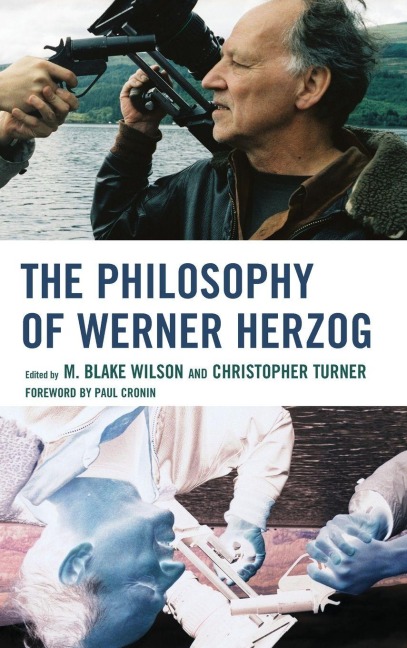
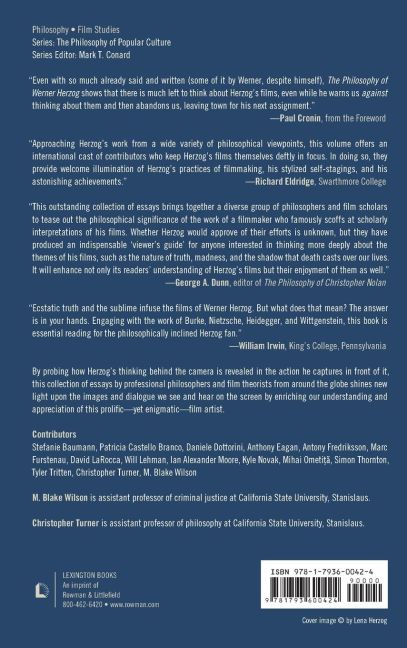
Legendary director, actor, author, and provocateur Werner Herzog has incalculably influenced contemporary cinema for decades. Until now there has been no sustained effort to gather and present a variety of diverse philosophical approaches to his films and to the thinking behind their creation. The Philosophy of Werner Herzog, edited by M. Blake Wilson and Christopher Turner,collects fourteen essays by professional philosophers and film theorists from around the globe, who explore the famed German auteur's notions of "ecstatic truth" as opposed to "accountants' truth," his conception of nature and its penchant for "overwhelming and collective murder," his controversial film production techniques, his debts to his philosophical and aesthetic forebears, and finally, his pointed objections to his would-be critics--including, among others, the contributors to this book themselves. By probing how Herzog's thinking behind the camera is revealed in the action he captures in front of it, The Philosophy of Werner Herzog shines new light upon the images and dialog we see and hear on the screen by enriching our appreciation of a prolific--yet enigmatic--film artist.
M. Blake Wilson is assistant professor of criminal justice at California State University, Stanislaus. Christopher Turner is assistant professor of philosophy at California State University, Stanislaus.
Contents Acknowledgements Introduction Chapter 1. I Am What My Films Are: Listening to Herzog's Ecstatic, Essayistic Pronouncements David LaRocca Chapter 2. Herzog's Sublime and Ecstatic Truth: From Burke's Physiological Aesthesis to the Dionysian Unveiling Patricia Castello Branco Chapter 3. The Conquest of Uselessness as a Practice of Film and Thought Daniele Dottorini Chapter 4. Filmmaking and Philosophizing Against the Grain of Theory: Herzog and Wittgenstein Mihai Ométi?a Chapter 5. Nature and Meaning in Grizzly Man Marc Furstenau Chapter 6. Reflections from the Abyss: Herzog's Philosophy of Death M. Blake Wilson Chapter 7. Fake News and Ecstatic Truths: Alternative Facts in Lessons of Darkness Kyle Novak Chapter 8. The Great Ecstasy of Werner Herzog: Truth, Heidegger, Apocalypse Ian Alexander Moore Chapter 9. The Film Artist as Discoverer of the Marvels of Everyday Life: Toward a Kracauerian Reading of Werner Herzog Christopher Turner Chapter 10. Werner Herzog and Documen