Und dann auf "Zum Home-Bildschirm [+]".

Stöbern
genialokal zum Startbildschirm hinzufügen
Installieren Sie die genialokal App auf Ihrem Startbildschirm für einen schnellen Zugriff und eine komfortable Nutzung.
Installieren Sie die genialokal App auf Ihrem Startbildschirm für einen schnellen Zugriff und eine komfortable Nutzung.
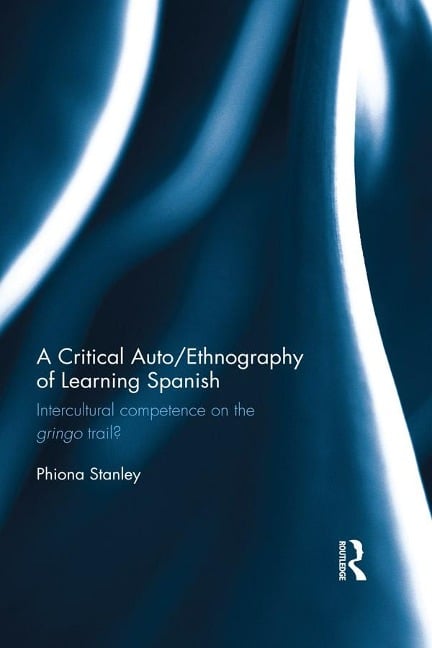
The premise that intercultural contact produces intercultural competence underpins much rationalization of backpacker tourism and in-country language education. However, if insufficiently problematized, pre-existing constructions of cultural 'otherness' may hinder intercultural competence development. This is nowhere truer than in contexts in which wide disparities of power, wealth, and privilege exist, and where such positionings may go unproblematized. This study contributes to theoretical understandings of how intercultural competence develops through intercultural contact situations through a detailed, multiple case study of three conceptually comparable contexts in which Western backpackers study Spanish in Latin America. This experience, often 'bundled' with home-stay, volunteer work, social, and tourist experiences, offers a rich set of empirical data within which to understand the nature of intercultural competence and the processes through which it may be developed. Models of a single, context-free, transferable intercultural competence are rejected. Instead, suggestions are made as to how educators might help prepare intercultural sojourners by scaffolding their intercultural reflections and problematizing their own intersectional identities and their assumptions. The study is a critical ethnography with elements of autoethnographic reflection. The book therefore also contributes to development of this qualitative research methodology and provides an empirical example of its application.
Phiona Stanley is a Senior Lecturer in Education at the University of New South Wales in Australia. Her research is primarily about intercultural identity constructions in international education. She has written about Western teachers in China, English language schools in Australia, qualitative research methods, and the lived experience of doing a PhD. She is now researching 'language grading', in which native English speakers attempt to make their own English more internationally intelligible. Dr Stanley's professional background is in English language education and she has worked in Peru, Poland, the UK, China, Australia, and Qatar.
1. Becoming Interculturally Competent in 'Spanishtown'? 2. Theorizing Intercultural Competence 3. Research Processes and Intrigues 4. Learning Spanish in Latin America 5. Discourses of Others: Talking about 'Them' and 'Us' 6. Learning From and Negotiating with Cultural 'Others' 7. Voluntourism: Practicing on the Community? 8. Findings: Doing and Developing Intercultural Competence 9. Revisiting Methodology 10. Suggestions and Teaching Activities
Dieses eBook wird im PDF-Format geliefert und ist mit einem Adobe Kopierschutz (DRM) versehen. Sie können dieses eBook mit allen Geräten lesen, die das PDF-Format und den Adobe Kopierschutz (DRM) unterstützen.
Zum Beispiel mit den folgenden Geräten:
• tolino Reader
Laden Sie das eBook direkt über den Reader-Shop auf dem tolino herunter oder übertragen Sie das eBook auf Ihren tolino mit einer kostenlosen Software wie beispielsweise Adobe Digital Editions.
• Sony Reader & andere eBook Reader
Laden Sie das eBook direkt über den Reader-Shop herunter oder übertragen Sie das eBook mit der kostenlosen Software Sony READER FOR PC/Mac oder Adobe Digital Editions auf ein Standard-Lesegeräte mit epub- und Adobe DRM-Unterstützung.
• Tablets & Smartphones
Möchten Sie dieses eBook auf Ihrem Smartphone oder Tablet lesen, finden Sie hier unsere kostenlose Lese-App für iPhone/iPad und Android Smartphone/Tablets.
• PC & Mac
Lesen Sie das eBook direkt nach dem Herunterladen mit einer kostenlosen Lesesoftware, beispielsweise Adobe Digital Editions, Sony READER FOR PC/Mac oder direkt über Ihre eBook-Bibliothek in Ihrem Konto unter „Meine eBooks“ - „online lesen“.
Schalten Sie das eBook mit Ihrer persönlichen Adobe ID auf bis zu sechs Geräten gleichzeitig frei.
Bitte beachten Sie, dass die Kindle-Geräte das Format nicht unterstützen und dieses eBook somit nicht auf Kindle-Geräten lesbar ist.