Und dann auf "Zum Home-Bildschirm [+]".

Stöbern
genialokal zum Startbildschirm hinzufügen
Installieren Sie die genialokal App auf Ihrem Startbildschirm für einen schnellen Zugriff und eine komfortable Nutzung.
Installieren Sie die genialokal App auf Ihrem Startbildschirm für einen schnellen Zugriff und eine komfortable Nutzung.
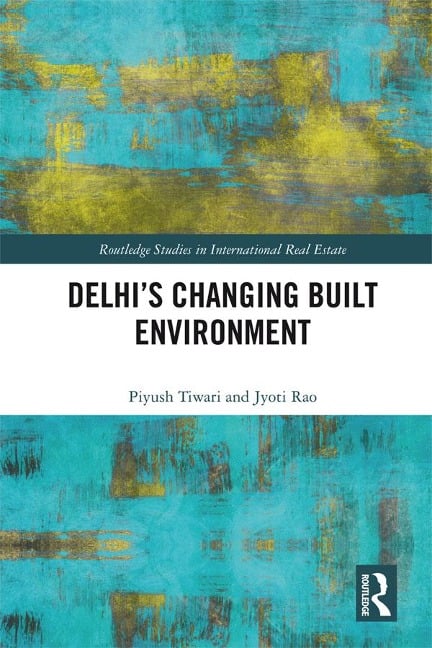
The rapid expansion, urban form and development of the built environment in the world's second most populous city, Delhi, has been the consequence of social, political, economic, planning and architectural traditions that have shaped the city over thousands of years. Whilst seamless at times, these traditions have often resulted in the fragmented development of the city's built environment. This book charts the political, economic and social forces that drove development in India generally and in Delhi in particular, and investigates the drivers and constituents of Delhi's urban landscape. The book provides a lens through which to examine the development path of a mega-city, which can be used as a guide in the development of emerging urban centres. Furthermore, the strengths and weaknesses of Delhi's built environment are critically analysed, with consideration to the role of the market, finance and policy over time. This book not only provides valuable insight into the physical evolution of Delhi and its surrounds, but it also asks broader questions about how people, power and politics interact with urban environments. It is essential reading for planners, architects, urbanists and social historians.
Piyush Tiwari is Professor of Property at University of Melbourne, Australia. His research interests include infrastructure policy, housing economics and mortgages, commercial real estate investment, and fi nancing infrastructure in developing countries. He has published numerous research papers on issues related to real estate and infrastructure. Jyoti Rao is an early career researcher pursuing doctoral research at the University of Melbourne. Issues related to housing and land economics are of prime interest to her. She is professionally trained as an architect, urban planner and real estate professional.
1. Introduction 2. Evolution of Urban Form and Imageability 3. Vernacularity and Materiality 4. Sustainability 5. The Market, Policy and Regulatory Context 6. Insight into Individual Property 7. Conclusion
Dieses eBook wird im PDF-Format geliefert und ist mit einem Adobe Kopierschutz (DRM) versehen. Sie können dieses eBook mit allen Geräten lesen, die das PDF-Format und den Adobe Kopierschutz (DRM) unterstützen.
Zum Beispiel mit den folgenden Geräten:
• tolino Reader
Laden Sie das eBook direkt über den Reader-Shop auf dem tolino herunter oder übertragen Sie das eBook auf Ihren tolino mit einer kostenlosen Software wie beispielsweise Adobe Digital Editions.
• Sony Reader & andere eBook Reader
Laden Sie das eBook direkt über den Reader-Shop herunter oder übertragen Sie das eBook mit der kostenlosen Software Sony READER FOR PC/Mac oder Adobe Digital Editions auf ein Standard-Lesegeräte mit epub- und Adobe DRM-Unterstützung.
• Tablets & Smartphones
Möchten Sie dieses eBook auf Ihrem Smartphone oder Tablet lesen, finden Sie hier unsere kostenlose Lese-App für iPhone/iPad und Android Smartphone/Tablets.
• PC & Mac
Lesen Sie das eBook direkt nach dem Herunterladen mit einer kostenlosen Lesesoftware, beispielsweise Adobe Digital Editions, Sony READER FOR PC/Mac oder direkt über Ihre eBook-Bibliothek in Ihrem Konto unter „Meine eBooks“ - „online lesen“.
Schalten Sie das eBook mit Ihrer persönlichen Adobe ID auf bis zu sechs Geräten gleichzeitig frei.
Bitte beachten Sie, dass die Kindle-Geräte das Format nicht unterstützen und dieses eBook somit nicht auf Kindle-Geräten lesbar ist.