Und dann auf "Zum Home-Bildschirm [+]".

Stöbern
genialokal zum Startbildschirm hinzufügen
Installieren Sie die genialokal App auf Ihrem Startbildschirm für einen schnellen Zugriff und eine komfortable Nutzung.
Installieren Sie die genialokal App auf Ihrem Startbildschirm für einen schnellen Zugriff und eine komfortable Nutzung.
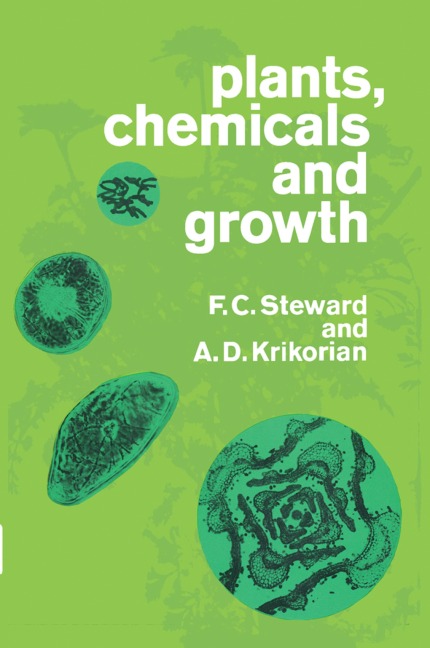
Plants, Chemicals and Growth focuses on chemicals that regulate the growth and development of plants. It explores the problems of growth and growth regulation by looking at the roles of chemical substances, natural and synthetic, which affect the behavior of the cells of flowering plants. It also describes the variety of responses triggered by such chemicals, which include herbicides, those that stimulate the rooting of cuttings or cause leaf or fruit abscission, and those associated with fruit setting and artificial parthenocarpy. Comprised of 10 chapters, this volume begins with an overview of examples of chemical regulators and the biological responses they induce in plants, from tropism and chemotropism to nastic responses; rhythmic phenomena in growth and development; initiation of lateral organs and problems of phyllotaxy; periodicities in growth; and effects on the balance between vegetative growth, flowering, and fruiting. It discusses the totipotency and exogenous regulation of cells, history and modern concepts of plant growth regulators, the ways chemicals induce growth in quiescent cells, and growth-regulating effects in free cell systems. The reader is also introduced to biologically active compounds, such as indolyl and triazine compounds; how plant-regulating substances work; concepts and interpretations of plant growth regulation; and problems and prospects of chemical regulation of plant growth and development. This book will be of interest to teachers, biology students, agriculturalists, and researchers.
PrefaceIntroductionChapter 1. Some Chemical Regulators: Some Biological ResponsesChapter 2. The Totipotency of Cells and Their Exogenous Regulation The "Division of Labor" Cell Growth and Cell Division The Cell Cycle Cellular Ontogeny Growing RegionsChapter 3. History and Modern Concepts of Growth-Regulating Substances Genesis of the Problem Problems of Terminology Auxins Cytokinins GibberellinsChapter 4. The Induction of Growth in Quiescent Cells The Onset of Growth in Mature Cells Bioassays Natural Sources of Growth Stimulatory SubstancesChapter 5. Some Growth Regulatory Systems Synergisms and Interactions Responses of Cells in Their Milieu: "Biochemical Ecology"Chapter 6. Growth-Regulating Effects in Free Cell Systems: Morphogenesis Organized and Unorganized Development of Cultured Cells and Tissues The Chemical Control of Unorganized Systems: The ChallengeChapter 7. The Range of Biologically Active Compounds Indolyl Compounds Adenyl Derivatives Terpenes and Terpenoids Lactones Carbamates and Their Derivatives Substituted Ureas Triazine Compounds Hydrazine Derivatives Quaternary Ammonium Compounds Phosphoniums Phenolics Hexitols Amino Acids and Peptides Alkaloids Glycosides Ethylene and Ethylene-Releasing Agents Phthalides Alkyl Esters Fatty Alcohols Aldehydes Other Classes of CompoundsChapter 8. What Do the Growth-Regulating Substances Do? General Approaches Controls of Growth versus Controls of Metabolism Embryological Controls: Plants versus Animals Stimuli and Response: Levels of Manifestation Cellular Compartmentation and Integration Specific Approaches The Role of Adenyl CompoundsChapter 9. Concepts and Interpretations of Growth Regulation "Plant Hormones" and "Action at a Distance" Presentation to the Sites of Action Mechanisms of Action Concepts Involving Cell Walls in Growth Regulation Concepts Relating Auxins and Ethylene Concepts Involving Proteins and Nucleic Acids Concepts Involving Light and PhytochromeChapter 10. Prospects and Problems The Complexity of the System: Its Multivariate Responses Growth Regulators and the Tumor Problem Chemicals Which Affect Plant Growth: Their Use and Abuse SummationBibliographySubject Index