Und dann auf "Zum Home-Bildschirm [+]".

Stöbern
genialokal zum Startbildschirm hinzufügen
Installieren Sie die genialokal App auf Ihrem Startbildschirm für einen schnellen Zugriff und eine komfortable Nutzung.
Installieren Sie die genialokal App auf Ihrem Startbildschirm für einen schnellen Zugriff und eine komfortable Nutzung.

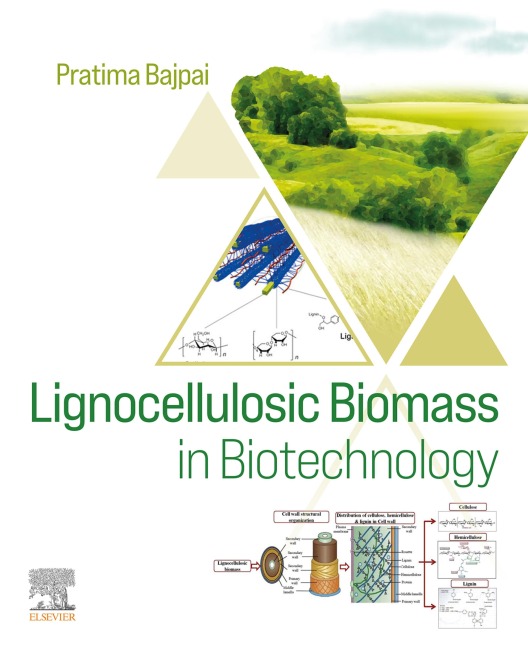
Lignocellulosic Biomass in Biotechnology highlights significant aspects of lignocellulose biotechnology, demonstrating its potential value from an application perspective. Sections cover the physico-chemical characteristics of lignocellulosic biomass, the physical and structural properties of hemicelluloses, celluloses and lignin, sources of lignocellulosic biomass , microorganisms and their lignocellulytic enzymes, enzymatic degradation of lignocellulosic biomass, regulation of cell-wall degrading enzymes, barriers to lignocellulose biodegradation, biotechnological importance of lignocellulosic biomass, lignocellulosic pretreatment techniques, bioprocessing of lignocellulosic biomass, lignocellulosic biomass pretreatment methods, valuable chemicals and products, techno-economic evaluation and future perspectives. This book answers questions surrounding the biotechnology of lignocelluloses. It is ideal for both students and professionals in the industry supply chain. It also provides a reference for researchers and administrators engaged in the utilization and industrial development of agricultural resources.
- Presents recent advances in the processing of lignocellulosic biomass
- Highlights significant aspects of lignocelluloses biotechnology, with an emphasis on its potential value from an application perspective
- Looks at the cost of enzymes and the potential of modern approaches that could be employed to reduce the cost
- Summarizes the new achievements that have emerged in the biotechnology of lignocelluloses in recent years
- Discusses a wide range of topics related to the fundamental and applied aspects of lignocellulose utilization, processing and biotechnological applications
Pratima Bajpai is currently working as a consultant in the field of paper and pulp. Her research career spans about 40 years, having worked at the National Sugar Institute, the University of Saskatchewan, the University of Western Ontario, and the Thapar Research and Industrial Development Centre in India. She also worked as a visiting professor at the University of Waterloo, Canada, and as a visiting researcher at the Kyushu University, Fukuoka, Japan. Dr. Bajpai's main areas of expertise are industrial biotechnology, pulp and paper, and environmental biotechnology.
1. Introduction2. Physico-chemical characteristics of lignocellulosic biomass3. Sources of lignocellulosic biomass4. Microorganisms and their lignocellulytic enzymes5. Enzymatic Degradation of Lignocellulosic Biomass6. Regulation of Cell-Wall Degrading Enzymes Production in Fungi7. Barriers to lignocellulose biodegradation8. Lignocellulosic pretreatment techniques9. Bioprocessing of Lignocellulosic biomass10.New trends in application of nanotechnology for the pretreatment of lignocellulosic biomass11. Nanotechnology in Lignocellulosic composites12. Valuable Chemicals and Products from Lignocellulosic Biomass13.Techno-economic and environmental evaluation14. Future perspectives