Und dann auf "Zum Home-Bildschirm [+]".

Stöbern
genialokal zum Startbildschirm hinzufügen
Installieren Sie die genialokal App auf Ihrem Startbildschirm für einen schnellen Zugriff und eine komfortable Nutzung.
Installieren Sie die genialokal App auf Ihrem Startbildschirm für einen schnellen Zugriff und eine komfortable Nutzung.
Ihr gewünschter Artikel ist in 0 Buchhandlungen vorrätig - wählen Sie hier eine Buchhandlung in Ihrer Nähe aus:

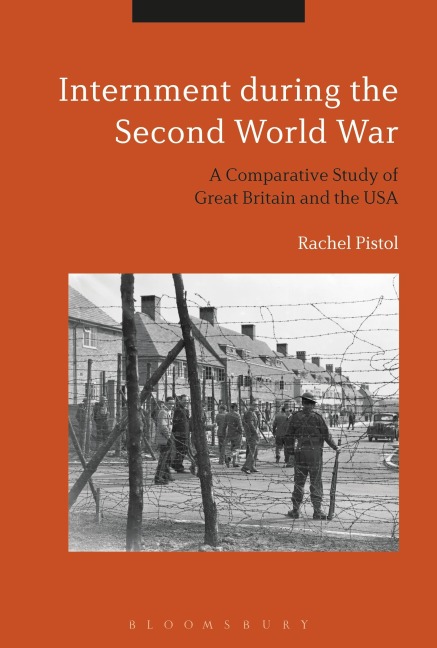
The internment of 'enemy aliens' during the Second World War was arguably the greatest stain on the Allied record of human rights on the home front. Internment during the Second World War compares and contrasts the experiences of foreign nationals unfortunate enough to be born in the 'wrong' nation when Great Britain, and later the USA, went to war. While the actions and policy of the governments of the time have been critically examined, Rachel Pistol examines the individual stories behind this traumatic experience. The vast majority of those interned in Britain were refugees who had fled religious or political persecution; in America, the majority of those detained were children. Forcibly removed from family, friends, and property, internees lived behind barbed wire for months and years. Internment initially denied these people the right to fight in the war and caused unnecessary hardships to individuals and families already suffering displacement because of Nazism or inherent societal racism. In the first comparative history of internment in Britain and the USA, memoirs, letters, and oral testimony help to put a human face on the suffering incurred during the turbulent early years of the war and serve as a reminder of what can happen to vulnerable groups during times of conflict. Internment during the Second World War also considers how these 'tragedies of democracy' have been remembered over time, and how the need for the memorialisation of former sites of internment is essential if society is not to repeat the same injustices.
Rachel Pistol is Associate Research Fellow at the University of Exeter, UK.
List of Illustrations Acknowledgements Introduction 1. The Origins of Internment 2. Life in the Camps 3. Endings and Aftermath 4. Memory Conclusion Bibliography Index