Und dann auf "Zum Home-Bildschirm [+]".

Stöbern
genialokal zum Startbildschirm hinzufügen
Installieren Sie die genialokal App auf Ihrem Startbildschirm für einen schnellen Zugriff und eine komfortable Nutzung.
Installieren Sie die genialokal App auf Ihrem Startbildschirm für einen schnellen Zugriff und eine komfortable Nutzung.
Ihr gewünschter Artikel ist in 0 Buchhandlungen vorrätig - wählen Sie hier eine Buchhandlung in Ihrer Nähe aus:

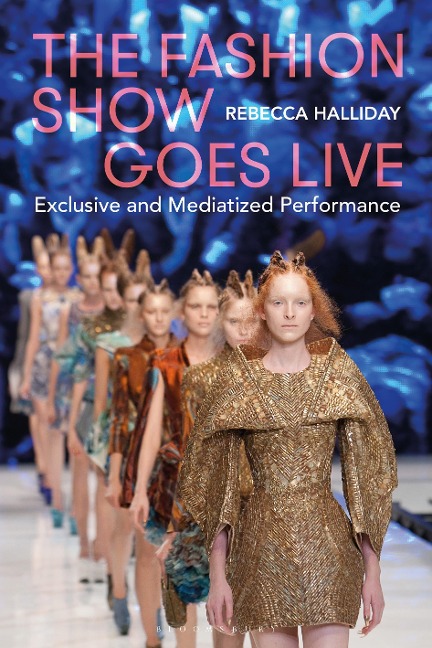
Beginning with Alexander McQueen's infamous attempt to live stream his 2009 Plato's Atlantis collection on SHOWStudio, this book traces how digital and social media have disrupted social structures within the field of fashion, and transformed the way it is communicated and consumed. Analysing key case studies, from Chanel, Givenchy, Yeezy and Opening Cermony to interactive social media and 'see now buy now' campaigns from Burberry, Topshop and Tommy Hilfiger, The Fashion Show Goes Live analyses the mode and impact of fashion shows' transmission. Through the rise of experimental film, fashion shows tailored for media transmission and the use of live streaming and social media to render shows 'immediate' to consumers, fashion weeks - and fashion shows - have become not just trend barometers but material sites that demonstrate media's effects. Rebecca Halliday evaluates the performativity of consumer relations to such live streams and other mediatized content. In linking these relations back to fashion show footage, she demonstrates that although intended to communicate fashion to mass audiences, these practices also promote it as exclusive and aspirational. Despite democratized, international access to content, the shows themselves remain elite events; kindling new forms of consumer attention, interaction, immaterial labour and desire. Through the microcosm of the fashion show, The Fashion Show Goes Live asks broader socio-political questions about the effects of the fashion industry's mediatization, challenging the notion that new technology has fostered inclusivity.
Rebecca Halliday
List of IllustrationsAcknowledgments
IntroductionThe Function of Fashion WeeksEconomies of Fashion, and Fashion as Cultural FieldEconomies of Mediatization and Performanceeconomies of affectFashion Shows in Tension with Fashion FilmsOrganizational Structure
1. The Fashion Show and/as Theatre100% Lost Cotton, Opening Ceremony Spring/Summer 2015Historical Confluences Between Fashion and Theatre100 Years Later: 100% Lost Cotton at New York Fashion WeekConclusion
2. The Fashion Show as Immersive SimulationFashion as Immersive SimulationChanel Supermarket Fashion Show, Fall/Winter 2014Kanye West - Yeezy Season 3, Fall/Winter 2016Conclusion
3. Fashion Show Footage: From Newsreel to Live StreamInternet Spectatorship and 'Real Time'Fashion Shows on FilmFashion on TelevisionFashion-Themed Television in FilmFashion Shows in Television Series (or Fashion Television)Fashion Shows and/as Sporting EventsFashion in the Live StreamThe Handheld Live StreamThe Handheld Front Row Perspective as Moving ImageConclusion
4. Social Media Fashion Shows: Interactive and ExclusiveFashion Shows as Pleasurable InteractionBurberry and Topshop-Digital CompetitorsBurberry - Digital Interaction in the Luxury MarketBurberry Prorsum, Autumn/Winter 2015 - #TweetCamTopshop - Ready-to-Wear Takes to the High StreetTopshop Unique, Autumn/Winter 2015 - #livetrendsConclusion
5. Manufactured Affect in the Fashion Show Preshow(Re)Mediation as Increased Brand AccessTopshop Unique Autumn/Winter 2015 Live Stream PreshowAffective Labour/Mediation of Affect at the Topshop PreshowTextual Reactions to the Topshop PreshowConclusion
6. 'This is the runway': the Camera as Scriptive Thing at New York Fashion WeekThe Camera as Scriptive Thing or Scriptive PropIndoor Audience-Performer RelationsOutdoor Observations at New York Fashion WeekCamera Interactions on the 'Street'Models 'Off Duty' at Fashion WeekStreet Style Photography as Embodied PracticeStreet Style Photography as Cultural PracticeThe Photograph as DanceThe Photograph as Action SequenceConclusion
7. the Fashion Show as Mediatized ProliferationFashion Shows as Photographic 'Moments'Versace Spring/Summer 2018 and Spring/Summer 2020 as Late-Postmodern MediatizationThe Fashion Show as Spectacular EntertainmentGivenchy Spring/Summer 2016 Ready-to-Wear in New YorkTommy Hilfiger's 'See Now Buy Now' SpectacularsConclusion
Conclusion: Fashion's Pandemic-Era Pause
References