Und dann auf "Zum Home-Bildschirm [+]".

Stöbern
genialokal zum Startbildschirm hinzufügen
Installieren Sie die genialokal App auf Ihrem Startbildschirm für einen schnellen Zugriff und eine komfortable Nutzung.
Installieren Sie die genialokal App auf Ihrem Startbildschirm für einen schnellen Zugriff und eine komfortable Nutzung.
Ihr gewünschter Artikel ist in 0 Buchhandlungen vorrätig - wählen Sie hier eine Buchhandlung in Ihrer Nähe aus:

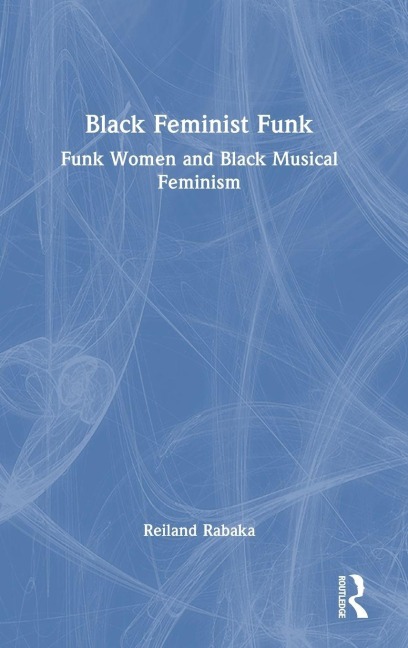
Reiland Rabaka provides an alternative history of funk since the mid-1960s, which uncovers the epoch that funk women influenced and were influenced by while wrestling with issues revolving around race, gender, sexuality, and class simultaneously in the American music industry and in American society. Rabaka explores the long line of artistically adventurous African American women whose music made groundbreaking contributions to funk, but whose subtle forms of alternative feminism and intoxicating eroticism led to their marginalization in both historical and contemporary discussions of the musical genre. Their gender identities and intense sexual expressions fly in the face of long-standing narratives about funk, which almost invariably focus on male figures. The book focuses primarily on the most acclaimed female funk group and artists of the classic era: Labelle, Chaka Khan, and Betty Davis, who created an uncompromising, anti-commercial, unclassifiable form of ultra-erotic funk rock that directly challenged patriarchy, the politics of respectability, and conservative conceptions of Black women's sexuality. The book will be of significant interest for those interested in Race and Ethnicity in Popular Music, Gender and Sexuality in Popular Music, the Cultural Study of Popular Music, Black Studies, Women's Studies, Gender Studies, and Music and Politics.
Reiland Rabaka is Professor of African, African American, and Caribbean Studies in the Department of Ethnic Studies and the Founder and Director of the Center for African & African American Studies at the University of Colorado Boulder.
Introduction to Black Feminist Funk 1. The Black Women's Liberation Movement and Black Political Feminism 2. The Black Feminist Funk Movement and Black Musical Feminisn 3. "We Were a Musical Movement": Labelle's Embryonic Black Feminist Funk Rock and the Emergence of the Black Feminist Funk Movement 4. "I've Always Seen Myself as a Healer, with My Songs, With My Singing": Chaka Khan's Soulful Sensual Therapeutic Funk and the Black Feminist Funk Movement 5. "The Music is Physical and It's About Sex": Betty Davis's Ultra-Erotic Funk Rock, the Sexual Revolution of the 1970s, and the Black Feminist Funk Movement Conclusion-Black Feminist Neo-Funk