Und dann auf "Zum Home-Bildschirm [+]".

Stöbern
genialokal zum Startbildschirm hinzufügen
Installieren Sie die genialokal App auf Ihrem Startbildschirm für einen schnellen Zugriff und eine komfortable Nutzung.
Installieren Sie die genialokal App auf Ihrem Startbildschirm für einen schnellen Zugriff und eine komfortable Nutzung.
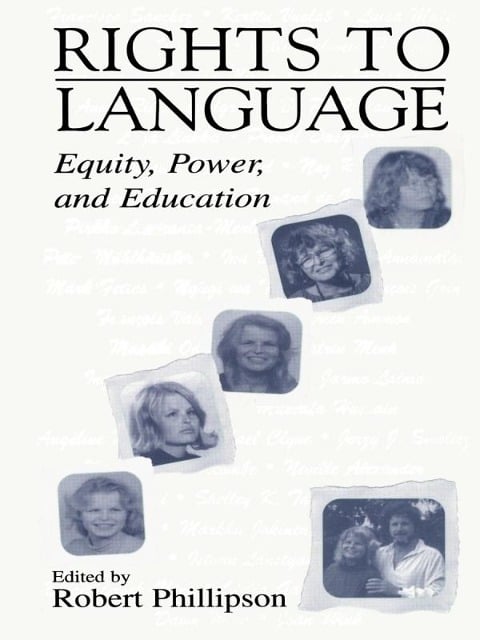
Rights to Language: Equity, Power, and Education brings together cutting-edge scholarship in language, education, and society from all parts of the world. Celebrating the 60th birthday of Tove Skutnabb-Kangas, it is inspired by her work in minority, indigenous, and immigrant education; multilingualism; linguistic human rights; and global language and power issues. Rights to Language situates issues of minorities and bilingual education in broader perspectives of human rights, power, and the ecology of language. The rich mix of papers serves to underline that the issues are comparable worldwide, that many disparate topics can cross-fertilize each other, and that our understanding of the issues can benefit from coverage that is global, reflective, and committed. A Web site with additional resource materials to this book can be found on http://www.cbs.dk/staff/phillipson/
Contents: Preface. F. Sanchez, Tove. Part I: Language: Its Diversity, Its Study, and Our Understandings of It.K. Vuolab, Such a Treasure of Knowledge for Human Survival. L. Maffi, Linguistic and Biological Diversity: The Inextricable Link. J.A. Fishman, G.S. Fishman, Rethinking Language Defense. J. Branson, D. Miller, Maintaining, Developing, and Sharing the Knowledge and Potential Embedded in All Our Languages and Cultures: On Linguists as Agents of Epistemic Violence. A. Hassanpour, The Politics of A-Political Linguistics: Linguists and Linguicide. A-R. Lindgren, Language Emancipation: The Finnish Case. D.P. Pattanayak, Linguistic Pluralism: A Point of Departure. L. Liukka, Birch--Wind--Looks. P. Dasgupta, Culture, Sharing, and Language. C.M. Beutel, "Spirit of the Earth." Part II: Rights: Language Rights, Their Articulation, and Implementation.N. Rassool, Language Maintenance as an Arena of Cultural and Political Struggles in a Changing World. C. Hamelink, Human Rights: The Next Fifty Years. F. de Varennes, Tolerance and Inclusion: The Convergence of Human Rights and the Work of Tove Skutnabb-Kangas. P. Leporanta-Morley, Unity in Difference--Belonging. T.A. van Dijk, Discourse and Access. P. Mühlhäusler, Language Rights for the Language of Norfolk Island. I. Druviete, The Latvian Language Law Debate: Some Aspects of Linguistic Human Rights in Education. E. Annamalai, Use of Language Rights by Minorities. M. Fettes, (Un)Writing the Margins: Steps Toward an Ecology of Language. Part III: Equity: Justice for Speakers of All Languages.N. wa Thiong'o, Writing for Diversity. F. Grin, F. Vaillancourt, On the Financing of Language Policies and Distributive Justice. U. Ammon, Towards More Fairness in International English: Linguistic Rights of Non-Native Speakers. M. Oda, Linguicism in Action: Language and Power in Academic Institutions. A-K. Menk, Equality of Opportunity and Assimilation. Or: We German Left-Wing Do-Gooders and Minority Language Rights. I. Municio-Larsson, Science and Policy--When Does Science Matter? J. Lainio, From Historical Shame to Present Struggle. M. Kontra, Which Contacts Breed Conflicts? M. Hussain, Exclusion as Discursive Practice and the Politics of Identity. Part IV: Power: Policies for Multilingualism.A. Martel, Paradoxes of Plurilingualism. For Better? For Worse? And Beyond? M. Clyne, Promoting Multilingualism and Linguistic Human Rights in the Era of Economic Rationalism and Globalization. J.J. Smolicz, M.J. Secombe, Language Resilience and Educational Empowerment: Philippines and Australia. N. Alexander, Language Policy and Planning in South Africa: Some Insights. Z. Desai, Mother Tongue Education: The Key to African Language Development? A Conversation With an Imagined South African Audience. S.K. Taylor, Common Practice and Linguistic Human Rights: A-Team v. B-Team Coercion or the Co-Construction of "Utopia." L. Huss, Creating a Bilingual Family in a "Monolingual" Country. H. Gaski, The Reindeer on the Mountain, The Reindeer in the Mind: On Sámi Yoik Lyrics. Part V: Education: Affirming Diversity, Confirming Rights.M. Jokinen, The Linguistic Human Rights of Sign Language Users. P. Toukomaa, The Linguistic Problem Child Has Many Names. M. Peura, Creating a Successful Minority School. I. Lanstyak, Bilingual Versus Bilingual Education: The Case of Slovakia. K. Heugh, Giving Good Weight to Multilingualism in South Africa. B. Brock-Utne, Education for All--In Whose Language? O. García, Language: A Diversity Category Beyond All Others. J. Cummins, "This Place Nurtures My Spirit": Creating Contexts of Empowerment in Linguistically-Diverse Schools. D. Wink, J. Wink, Dual Language Models and Intergenerational Inspirations. R. Phillipson, Integrative Comment: Living With Vision and Commitment.
Dieses eBook wird im PDF-Format geliefert und ist mit einem Adobe Kopierschutz (DRM) versehen. Sie können dieses eBook mit allen Geräten lesen, die das PDF-Format und den Adobe Kopierschutz (DRM) unterstützen.
Zum Beispiel mit den folgenden Geräten:
• tolino Reader
Laden Sie das eBook direkt über den Reader-Shop auf dem tolino herunter oder übertragen Sie das eBook auf Ihren tolino mit einer kostenlosen Software wie beispielsweise Adobe Digital Editions.
• Sony Reader & andere eBook Reader
Laden Sie das eBook direkt über den Reader-Shop herunter oder übertragen Sie das eBook mit der kostenlosen Software Sony READER FOR PC/Mac oder Adobe Digital Editions auf ein Standard-Lesegeräte mit epub- und Adobe DRM-Unterstützung.
• Tablets & Smartphones
Möchten Sie dieses eBook auf Ihrem Smartphone oder Tablet lesen, finden Sie hier unsere kostenlose Lese-App für iPhone/iPad und Android Smartphone/Tablets.
• PC & Mac
Lesen Sie das eBook direkt nach dem Herunterladen mit einer kostenlosen Lesesoftware, beispielsweise Adobe Digital Editions, Sony READER FOR PC/Mac oder direkt über Ihre eBook-Bibliothek in Ihrem Konto unter „Meine eBooks“ - „online lesen“.
Schalten Sie das eBook mit Ihrer persönlichen Adobe ID auf bis zu sechs Geräten gleichzeitig frei.
Bitte beachten Sie, dass die Kindle-Geräte das Format nicht unterstützen und dieses eBook somit nicht auf Kindle-Geräten lesbar ist.