Und dann auf "Zum Home-Bildschirm [+]".

Stöbern
genialokal zum Startbildschirm hinzufügen
Installieren Sie die genialokal App auf Ihrem Startbildschirm für einen schnellen Zugriff und eine komfortable Nutzung.
Installieren Sie die genialokal App auf Ihrem Startbildschirm für einen schnellen Zugriff und eine komfortable Nutzung.

Awarded a Certificate of Merit at the ARSC Awards for Excellence 2018
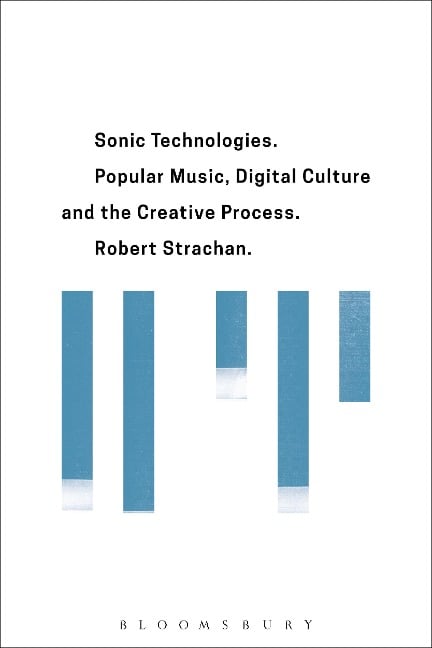
In the past two decades digital technologies have fundamentally changed the way we think about, make and use popular music. From the production of multimillion selling pop records to the ubiquitous remix that has become a marker of Web 2.0, the emergence of new music production technologies have had a transformative effect upon 21st Century digital culture. Sonic Technologies examines these issues with a specific focus upon the impact of digitization upon creativity; that is, what musicians, cultural producers and prosumers do. For many, music production has moved out of the professional recording studio and into the home. Using a broad range of examples ranging from experimental electronic music to more mainstream genres, the book examines how contemporary creative practice is shaped by the visual and sonic look and feel of recording technologies such as Digital Audio Workstations.
Robert Strachan is a Lecturer in Music based in the School of Music at the University of Liverpool.
Introduction
Chapter I. Digital Technologies, Democratisation and Cultural Production
Chapter II. Affordance, Digital Audio Workstations and Musical Creativity
Chapter III. Digital Technology and Technique in the creative process
Chapter IV. Creativity as Discourse/Creativity as Experience in Electronic Dance Music and Electronica
Chapter V. Digital Aesthetics: Cyber Genres, Auto Tune and Digital Perfectionism
Conclusion