Und dann auf "Zum Home-Bildschirm [+]".

Stöbern
genialokal zum Startbildschirm hinzufügen
Installieren Sie die genialokal App auf Ihrem Startbildschirm für einen schnellen Zugriff und eine komfortable Nutzung.
Installieren Sie die genialokal App auf Ihrem Startbildschirm für einen schnellen Zugriff und eine komfortable Nutzung.

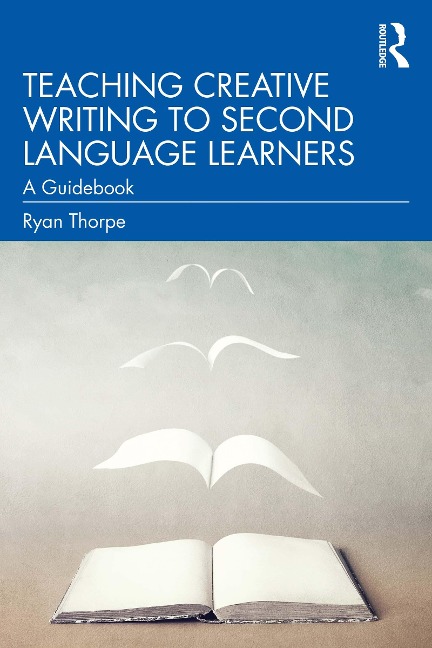
This timely and accessible book offers engaging guidance to teachers of second language students on teaching creative writing in their classrooms. Creative writing is a tool that can inspire second language learners to write more, play with language, and enjoy and improve not only their writing, but also their speaking, listening, and reading skills. Addressing the expectations and perceptions of writing in another language, Thorpe demonstrates how to foster successful creative writing environments and teach and assess creative writing in a way that is tailored to the distinct needs of non-native speakers. Covering key topics such as cultural storytelling, voice, genre, and digital composition, assessment, and more, Thorpe shares successful creative writing instructional practices informed by current research in creative writing and second language education. Each chapter includes insights, advice, and student examples that can help new teachers take their first steps in more reflective second language creative writing classroom. An invaluable resource for instructors of non-native students and an ideal text for pre-service teachers in courses in TESOL, writing instruction, and applied linguistics, this book invites you to use creative writing not only as a successful method for teaching L2 writing, but also as a way to improve student motivation and output, for more effective language learning.
Ryan Thorpe is Associate Teaching Professor at the University of Michigan-Shanghai Jiao Tong University Joint Institute, Shanghai, China.
Preface Chapter 1. Introduction to Creative Writing in ESL Chapter 2. Expectations and Perceptions Chapter 3. Research in Creative Writing Chapter 4. The Workshop and Other Options Chapter 5. Using Literature Chapter 6. Intercultural Storytelling Chapter 7. Brainstorming Chapter 8. Characters Chapter 9. Conflict Chapter 10. Setting Chapter 11. Dialogue Chapter 12. Word Choice Chapter 13. Endings Chapter 14. Developing Voice Chapter 15. Working with Genre Chapter 16. Digital Composition Chapter 17. Responding to Creative Writing Chapter 18. Editing Chapter 19. Grading Creative Writing Chapter 20. Final Thoughts